
No pressure and no obligation: send your details and our team will put together an estimate for Wood Stove Cleaning Vancouver
Most of what homeowners ask about wood fires comes down to three worries: is it safe, is it working properly and what will it take to fix? This page tackles all three for households in Vancouver. If you arrived by searching for “wood stove cleaning”, you will find wood stove sweeping explained without jargon, with notes on what changes from one home to the next and which checks need no ladder or tools.
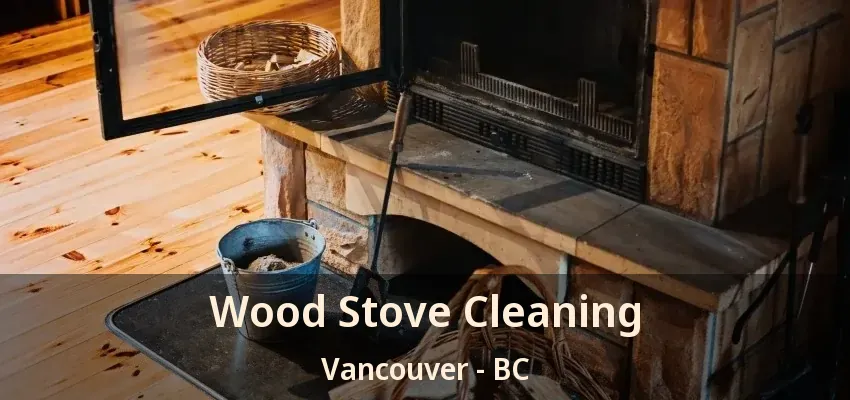
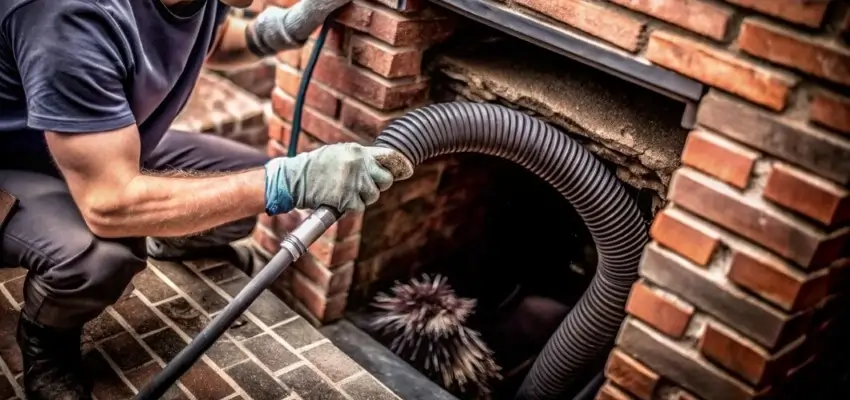
The chimney is the main part of any cleaning we do, and the firebox is only the starting point. Soot settles on every surface the smoke touches, from the damper or stove outlet all the way up to the cap, and the heaviest deposits usually sit just above the fire, where the gases first cool. We brush that entire path, pull the debris down into a contained vacuum, then clear the firebox and the hearth. When a company only scoops ashes and wipes the doors, the part that matters for safety has been skipped, and the next fire runs through the same dirty flue.
A wood-burning fireplace or stove needs regular care because every fire leaves residue behind, and that residue builds up where you cannot see it. Smoke cools as it rises and coats the flue with soot and creosote, which narrows the passage and can catch fire. Heat also slowly wears down mortar, firebrick, door seals and metal parts. Left alone for years, those small changes add up to poor drafts, smoky rooms and costly repairs. A yearly check, plus a sweep when buildup calls for it, keeps the fire drawing well and catches problems while they are still minor. Working smoke and carbon monoxide alarms complete the picture.
Usually not. The stove normally stays where it is while the chimney is cleaned through its connection, and only the pipe or internal parts are handled. Moving a heavy stove risks scratching the floor, cracking the hearth pad and loosening joints, so technicians avoid it unless the layout leaves no other way, as with some rear-vented stoves tucked into tight alcoves. In those cases the stove is eased forward on protective pads, then set back, reconnected and checked for level and clearance. Mention your stove’s venting setup when booking, so the visit is planned properly.
A careful sweep should leave little or no mess, because the soot is contained and vacuumed as the work happens. Expect drop cloths around the hearth, the fireplace opening or stove door sealed off and a vacuum running for much of the visit. A little fine dust can still escape when the damper is opened or stovepipe comes apart, so clear the mantel and move rugs and furniture back a few feet. If you have light carpet or upholstery nearby, mention it when booking. A good crew leaves the hearth cleaner than they found it.
They share most steps, but a catalytic stove has one extra part that needs gentle handling. Its catalytic combustor, a honeycomb element that burns off smoke, can clog with fly ash and is fragile, so it is cleaned gently, usually with a soft brush or light vacuuming, following the stove maker’s instructions. The technician also checks the bypass damper that routes smoke around it during start-up. Non-catalytic stoves rely on baffles and secondary air tubes instead, which are cleaned and checked for warping. When booking “wood stove cleaning”, mention the type if you know it, so the right brushes and parts come along.
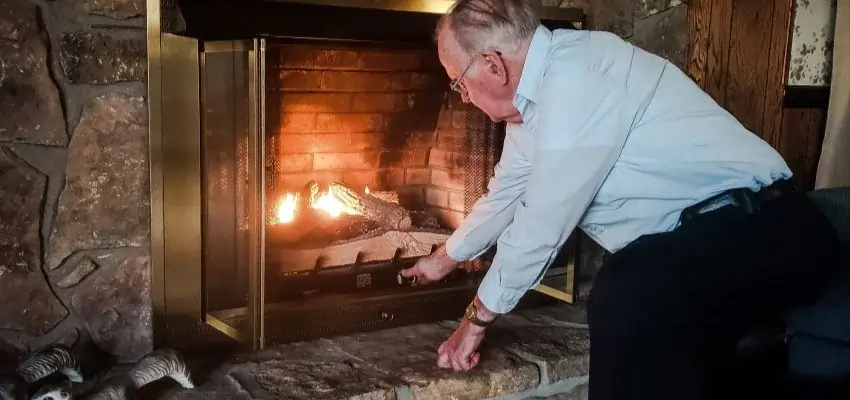
A common guideline is to have the chimney inspected once a year and swept whenever buildup calls for it, which for many households also works out to about once a year. Homes that burn a fire most evenings through the colder months may need a sweep more often, sometimes partway through the season, while a fireplace used a few times a year may go longer between cleanings. Wood stoves used as a main heat source tend to build up creosote faster. Damp wood, smoldering fires and cold outside chimneys all shorten the interval, so let the yearly check guide the schedule.
Preparing mostly means letting the fire go out and making room. Stop using the fireplace or stove at least a day ahead so everything is cold when the technician arrives. Clear the mantel, move furniture, rugs and decorations a few feet back from the hearth and take down anything hanging nearby. Make sure there is a clear path from the door, and plan to keep pets and children in another room during the work. If the roof will be accessed, unlock gates and move vehicles away from the side of the house where a ladder will go.
Burning dry wood with enough air and keeping an eye on the stove’s condition keep it running well between cleanings. Give each new fire a hot start with the air control open, then turn it down gradually rather than shutting the air right down overnight, which produces more creosote. A stove thermometer on the pipe or top helps you stay out of both the smoldering range and the overfiring range. Empty the ash pan regularly, wipe the glass when it is cool and check that the door still latches firmly. If smoke escapes or the glass blackens quickly, book a check.
The questions that reveal the most are about scope and evidence: what is cleaned, what is inspected, how findings are shared and how extra work is priced. It is also reasonable to ask who will do the work, whether they handle masonry repairs themselves and how long any repair would need before the first fire. Asking how they deal with glazed creosote or a stovepipe that has to come apart shows quickly whether they have done it before. A technician who knows wood-burning systems answers each of these in a sentence or two, without hedging or upselling.
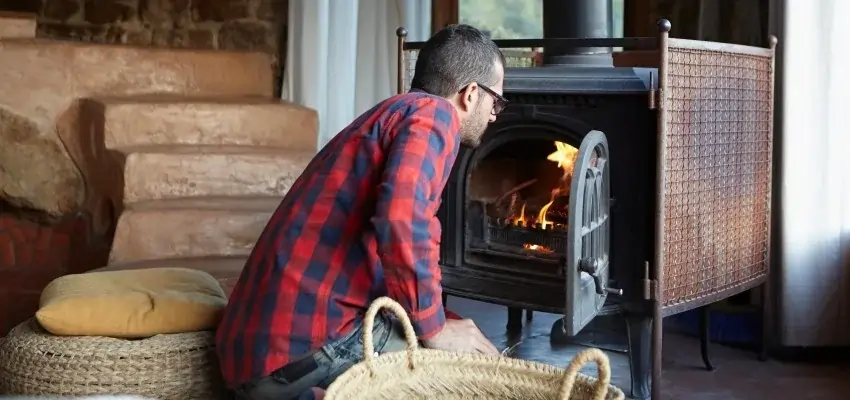
Sometimes the most useful thing is simply knowing whether there is a problem at all. A visit from Chimney Sweep Vancouver gives you that answer, along with practical advice for keeping things in order. Call (778) 901-9988 to set one up.
Flue last swept long ago? Chimney Cleaning in Vancouver
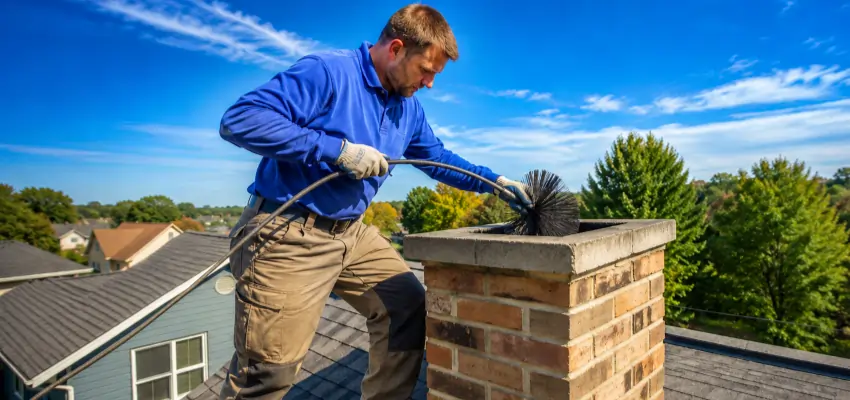
Your Vancouver fireplace, swept and checked: Chimney Sweep
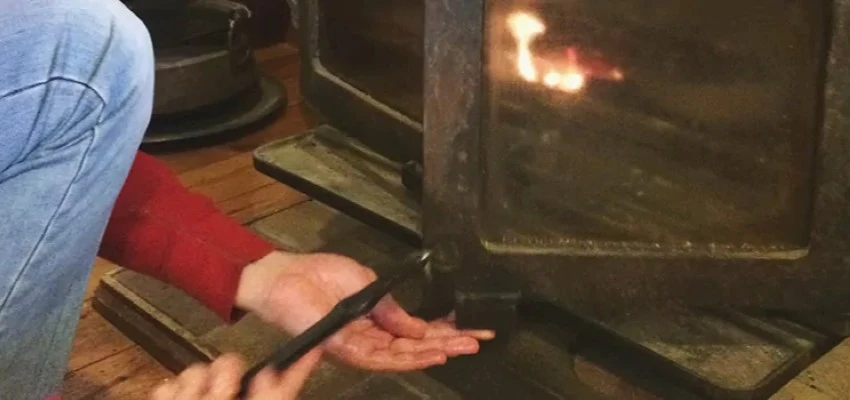
Chimney Sweep Services for fireplaces, stoves, and inserts in Vancouver
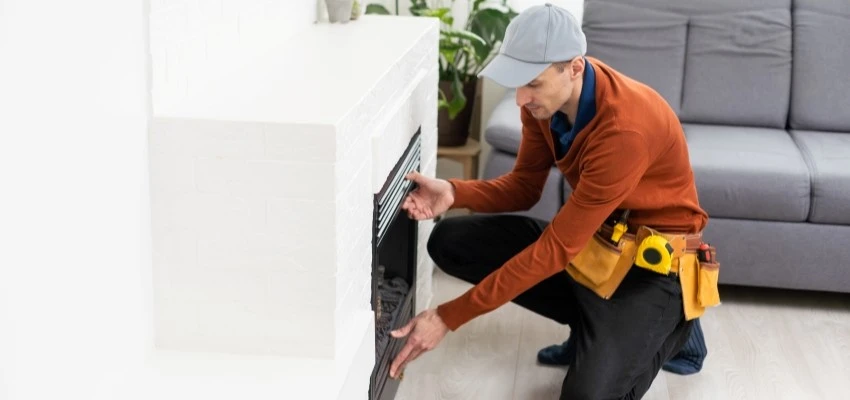
What Fireplace Experts check in your Vancouver chimney
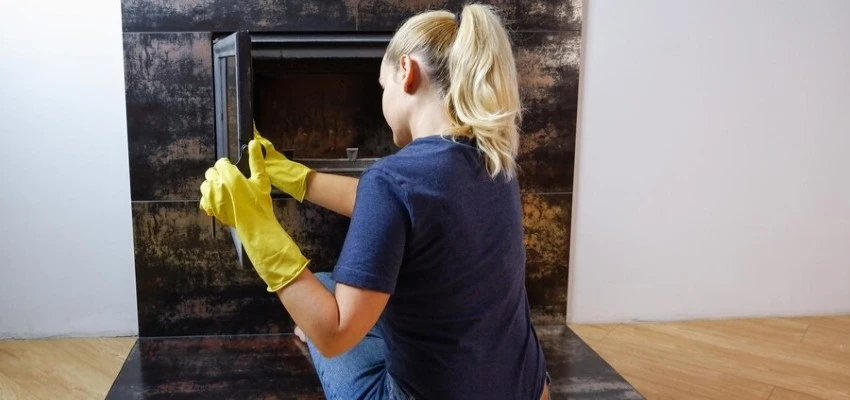
Logs lifted, embers reset: Gas Fireplace Cleaning near Vancouver
Fewer surprises mid-winter with Gas Fireplace Maintenance in Vancouver

