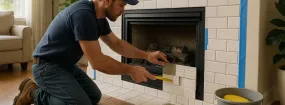
No pressure and no obligation: send your details and our team will put together an estimate for Repairing Cracked Fireplace Tiles Vancouver
A wood fire is one of the simple pleasures of the colder months, and keeping it that way takes a little care behind the scenes. If you searched for “repairing cracked fireplace tiles”, you are probably weighing what your fireplace needs now and what can wait. This page gathers straight answers for homeowners in Vancouver about fireplace tile repair: what a technician looks at, what tends to wear out and which small habits keep fires burning cleanly between visits.
Creosote is unburned fuel: tiny droplets of tar and gas that leave the fire, cool on the way up and stick to the flue walls. We grade it by texture on every job. A light, powdery coat brushes away easily. A thicker, flaky or bubbly layer takes more effort and tells us fires are running cool or the wood is wet. A glossy, glazed coating is the one that concerns us, because it is stubborn to remove and burns intensely if it catches. Where we find heavy deposits, we talk through wood and burning habits, since changing those is what slows the next round of buildup.
The clearest signs a fireplace needs repair are visible damage and changes in how it behaves. Look for cracked or loose firebrick, mortar that crumbles or leaves gaps, rust flakes falling into the firebox, a damper that sticks or will not close, and cracked tiles on the hearth or surround. Smoke drifting into the room, a strong odor in warm weather and water stains near the opening point to trouble too, often higher up in the chimney. Any one of these deserves a closer look before the next fire, and several together usually mean repairs are overdue.
A chimney fire often announces itself with a loud roaring or rumbling sound, popping and cracking noises, thick smoke and a strong, hot smell, sometimes with flames or sparks shooting from the top. If you notice these, get everyone out of the house and call the fire department from outside. Not every chimney fire is dramatic, though. Slow-burning ones can go unnoticed and leave quieter clues: flaky, puffed-up creosote, a warped damper or cap, cracked flue tiles and debris on the roof or ground. After any suspected chimney fire, have the system inspected before it is used again.
Smoke spills when the house wins a tug-of-war with the chimney. A warm chimney pulls air upward; anything that weakens that pull lets smoke roll out of the opening instead. On calls like this we check the damper first, then look up the flue for blockages, then consider the house itself, because range hoods, dryers and tight windows can make the home pull harder than the chimney. Sometimes the opening is simply too large for the flue, or the chimney is too short for nearby rooflines. Each cause has its own fix, from a smoke guard to a taller flue or a better air supply.
Start by checking the garage, basement or attic, since builders and previous owners often left spare tiles behind. If none turn up, a tile supplier may be able to match the size, color and finish from a sample, especially for common styles. Salvage yards and specialty makers can help with older or handmade tiles. When an exact match is impossible, some homeowners place a contrasting tile in a deliberate pattern, or retile the hearth or surround entirely. If you are researching “repairing cracked fireplace tiles”, keep one broken piece to take shopping.
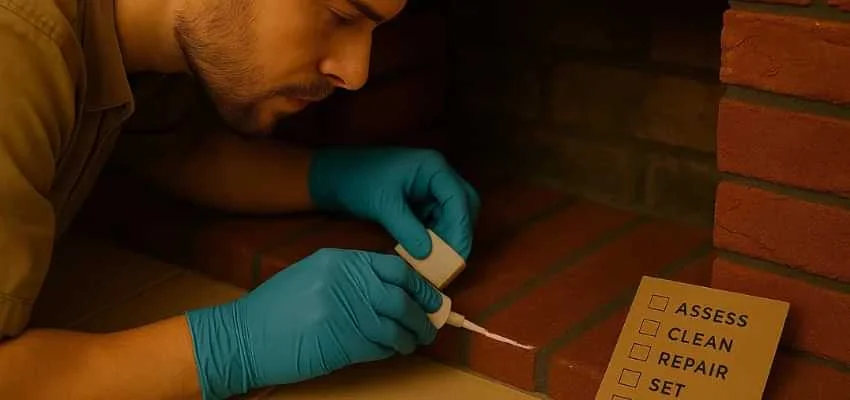
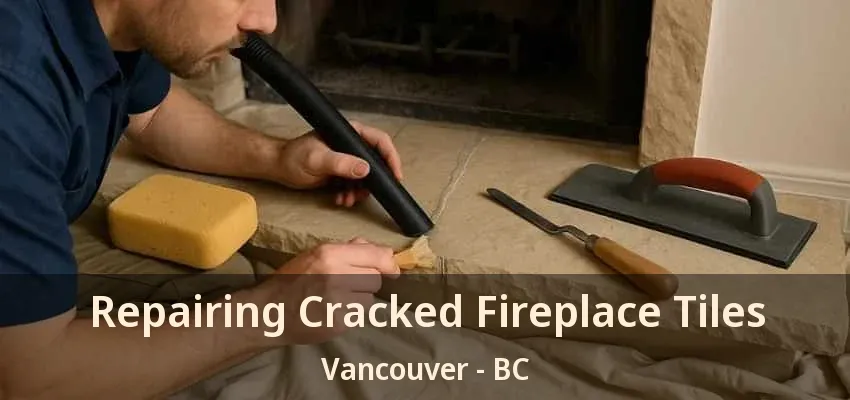
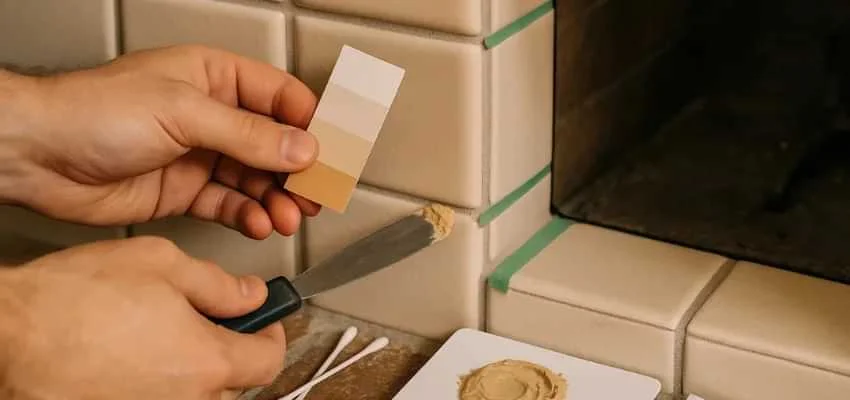
Cracked fireplace tiles are usually repaired by removing the damaged tile and grout, preparing the base and setting a new tile with heat-resistant adhesive and grout. Tiles crack from repeated heating and cooling, a hearth that has settled, a weak base underneath or something heavy dropped on them. Hearth tiles in front of the opening protect the floor from embers and heat, so cracks there deserve prompt attention. Matching older tiles can be tricky; when an exact match is not available, some homeowners retile the whole hearth or surround. Finding the cause first helps the new tile last.
Fireplace repairs range from a single visit to several days, and the hands-on time is often shorter than the waiting around it. Replacing a damper or a few firebricks fits into one appointment. A full firebox rebuild or crown repair may take a day or more of work, and roof jobs depend on calm, dry weather. Then comes cure time, since refractory mortar and crown materials need to set properly before they face heat or rain. We give homeowners a realistic window for the whole project, including the wait before the first small fire, so nobody plans a cozy evening too early.
It varies with the material, and we give every customer a specific answer before we leave. Mortar holds moisture after it is laid, and a roaring fire drives that water out too fast, which can crack fresh joints or pop new firebrick. That is why we suggest waiting through the full cure period and then building a few small, short fires to bring everything up to temperature gradually. Stove repairs follow the same idea on a smaller scale: a new rope gasket, for example, settles in over a couple of gentle burns. Caps, screens and dampers can be used immediately.
Fix the cause, then treat the hearth more gently. If the tiles cracked because the base was weak or the hearth settled, that needs repair before new tiles go down. Day to day, set logs down rather than dropping them, avoid banging heavy tools against the hearth and keep grates and andirons from scraping across tile. Very large fires that push heat toward the hearth can stress tiles near the opening, so moderate fire sizes help. Grout with gaps or cracks should be resealed with a heat-resistant product before moisture and stress loosen nearby tiles.
Our technicians work in homes across Vancouver and the surrounding area. When you reach out, we confirm a convenient arrival window, explain what the visit includes and answer any last questions before anyone arrives. Pick a time that suits you and we will take it from there.
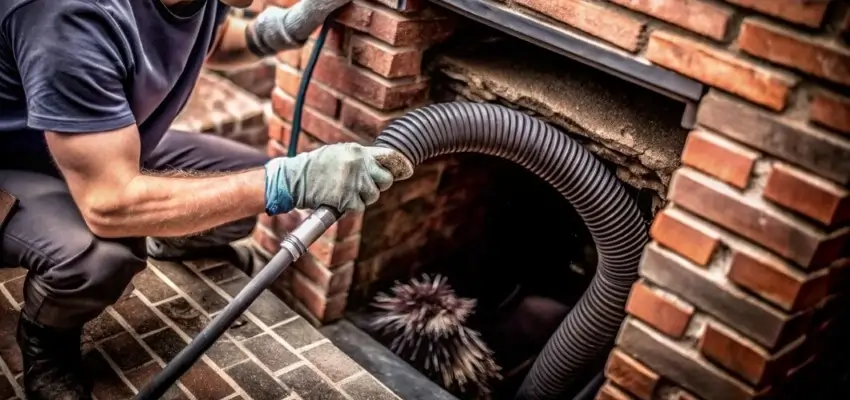
Flue last swept long ago? Chimney Cleaning in Vancouver
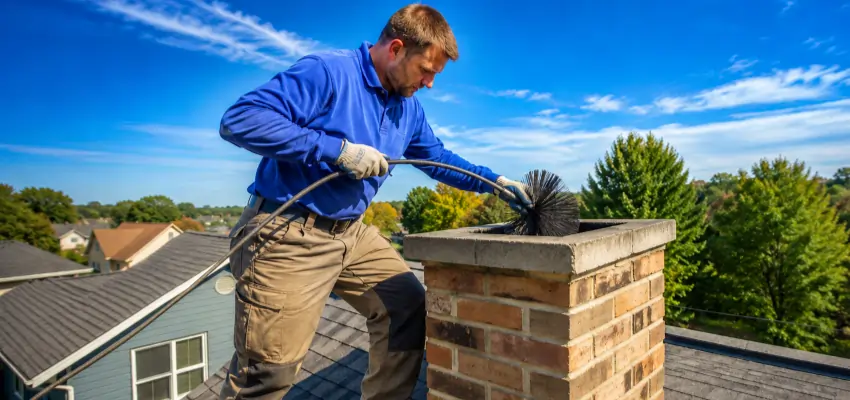
Your Vancouver fireplace, swept and checked: Chimney Sweep
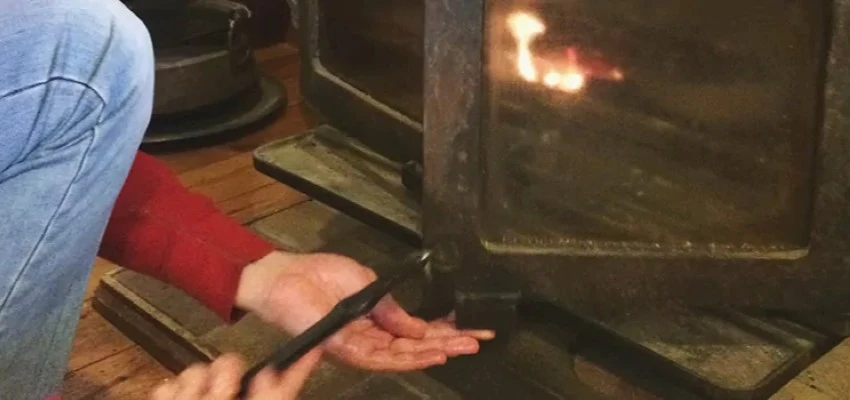
Chimney Sweep Services for fireplaces, stoves, and inserts in Vancouver
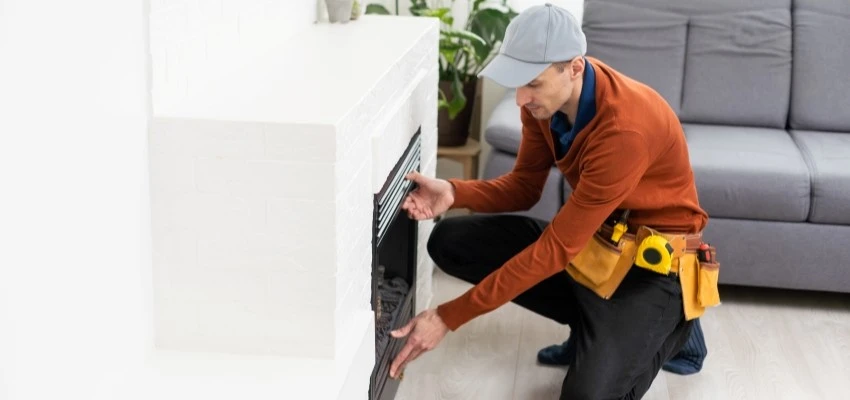
What Fireplace Experts check in your Vancouver chimney
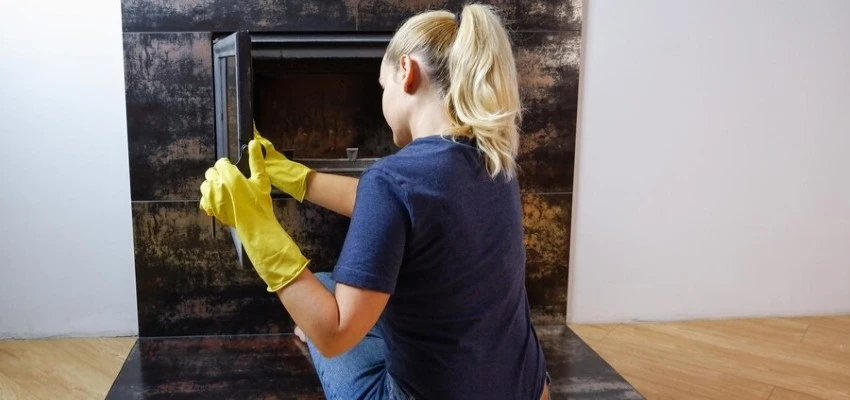
Logs lifted, embers reset: Gas Fireplace Cleaning near Vancouver
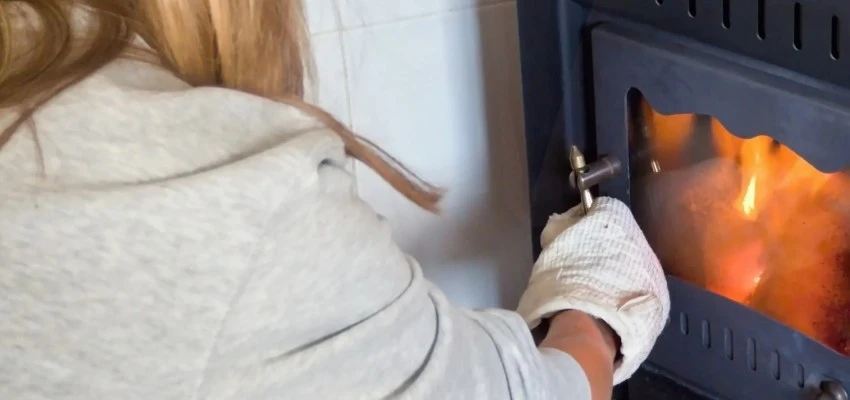
Fewer surprises mid-winter with Gas Fireplace Maintenance in Vancouver