
No pressure and no obligation: send your details and our team will put together an estimate for Regency Fireplace Products Vancouver
Bought a house with a fireplace you have never lit? Inherited a stove with a name you do not recognize? Searching for “regency fireplace products” is a reasonable first move, and this guide picks up from there. It walks through the everyday questions about Regency fireplace and stove service that homeowners in Vancouver bring to our technicians, including how often a unit should be looked at, how long repairs take and what to have on hand when you call.

Only in the details; the principles carry over. A thermocouple on one gas fireplace does the same job as on another, yet the mounting, length and connection can differ, and an electronic ignition board from one generation rarely fits the next. Wood stoves are similar, since baffles, air tubes and door latches vary by model even inside one product line. In practice, the first few minutes of every visit go to confirming exactly what we are looking at. After that, the diagnosis follows a routine any trained technician would recognize, and parts are matched to the model, not to the brand in general.
A fireplace insert slides into an existing fireplace, while a freestanding stove stands on its own hearth pad, and that difference mostly affects how easily a technician can reach the parts. Both can burn gas or wood. An insert is framed by a decorative surround and connected to a liner running up the chimney, so some repairs mean easing it partway out of the opening. A stove is open on every side and joins the chimney through a visible pipe, which makes many jobs quicker. Knowing which one you have, and mentioning it when you call, helps the visit go smoothly.
A pilot that will not stay lit usually points to a weak flame sensor, a pilot assembly clogged with dust or a draft problem in the venting. On many fireplaces, a small sensor called a thermocouple or thermopile sits in the pilot flame and holds the gas valve open; when it wears out or the flame no longer reaches it, the valve shuts. Low gas supply and a blocked vent can cause the same symptom. Leave the unit off rather than relighting it again and again, and book a technician. If you ever smell gas, leave the home and call your gas utility from outside.
A rotten-egg smell, a strong smoky odor in the room, a bang or whoosh when the burner lights and a grinding blower are the ones to take seriously. If you smell gas, do not touch switches or the fireplace controls; leave the home and call your gas utility from outside. For a delayed, booming ignition or smoke that keeps escaping, stop using the unit and book a check. Some sounds and smells are normal, though: light ticking as metal heats and cools, and a paint or oil smell during the first fires after new parts are fitted. Working carbon monoxide alarms add an extra layer of protection.
Yes, the accessories that come with or are added to a fireplace, such as blowers, remotes, wall thermostats and decorative surrounds, can usually be serviced or replaced on their own. Blower kits wear out from dust and heat, remote systems lose their pairing or batteries, and thermostats can drift. The key is matching the accessory to your exact model, since kits are designed for specific units. When you book Regency fireplace and stove service, list any add-ons your unit has, so the technician can check them along with the main appliance rather than on a separate visit.

The most helpful thing is a cold, clear fireplace. We cannot safely open a unit that is still hot, so a gas fireplace switched off a few hours early and a stove left unlit since the day before save real time. We also need room to lay down drop cloths and set out tools, which means moving furniture, mantel décor and anything on the hearth. Outside, a clear route to the vent cap helps. If your fireplace has a wall switch, remote or thermostat, keep it handy. Pets tend to be happier in another room while panels come off.
Make sure the rating label is still attached and readable, because without it the model, the approved venting and the right parts are hard to confirm. Then inspect the unit itself for cracks in the firebox or glass, a warped baffle, crumbling firebricks, missing air tubes or a door that no longer shuts tight. A gas unit should come with its burner, logs or media and controls complete. Ask whether the manual is included and whether parts are still listed for that model. If you found the unit while looking up “regency fireplace products”, plan for the installation too: it has to follow the manual, and a gas hookup is work for a qualified gas technician.
It should work the way it did when it was healthy, and we check that before leaving. We run the fireplace through a full start, watch the flame pattern and confirm the controls respond, or for a stove, make sure new gaskets seat properly when the door latches. Fresh paint, adhesives and new gaskets can give off a smell for the first few burns; that is expected and fades quickly with some ventilation. What is not expected is the same fault coming back. If it does, let us know, because an intermittent problem sometimes has a second cause hiding behind the first.
Ask these before anyone arrives:
Mention anything that worries you, such as a noise, a weak flame or soot on the glass, so the technician arrives prepared. Straight answers here usually mean a straightforward visit.

Some questions are easier to answer in a quick call than in a form. Phone (778) 901-9988 and tell us about your fireplace. We will explain the options, give you a sense of timing and book a visit in Vancouver if you decide to go ahead.
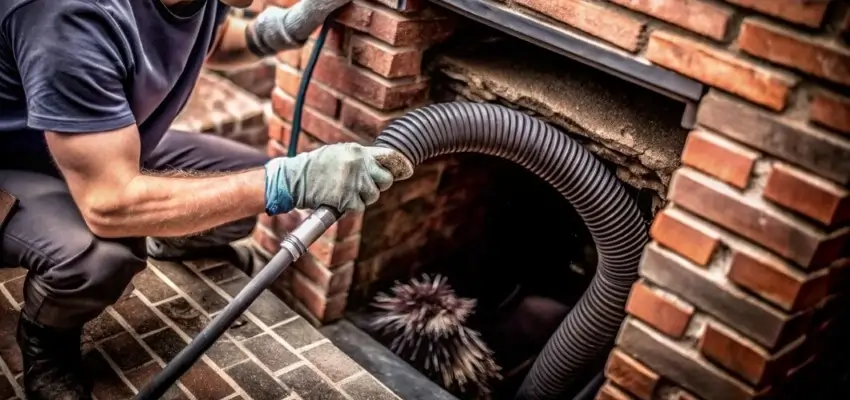
Flue last swept long ago? Chimney Cleaning in Vancouver

Your Vancouver fireplace, swept and checked: Chimney Sweep
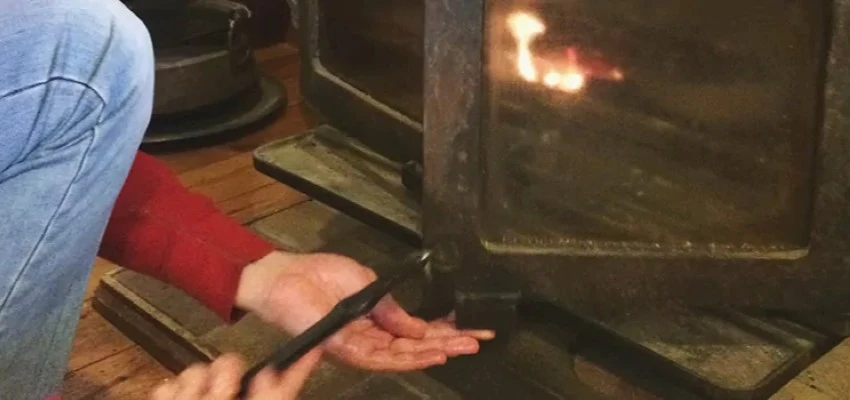
Chimney Sweep Services for fireplaces, stoves, and inserts in Vancouver
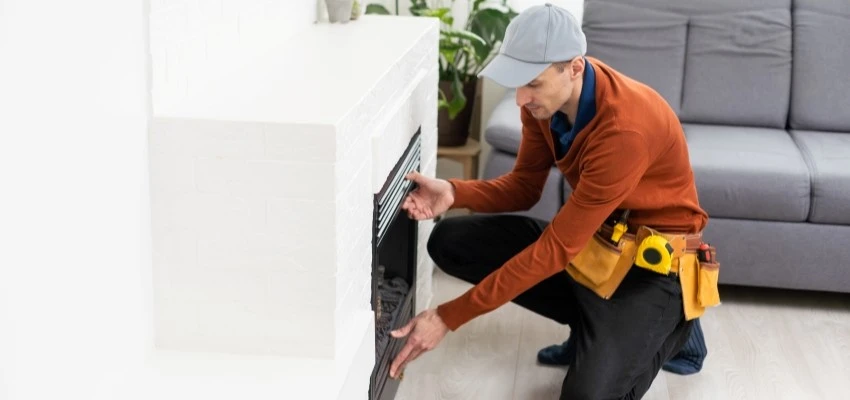
What Fireplace Experts check in your Vancouver chimney
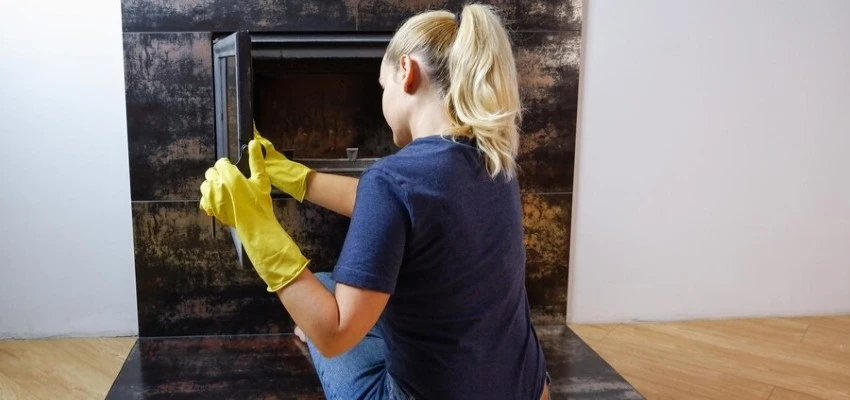
Logs lifted, embers reset: Gas Fireplace Cleaning near Vancouver
Fewer surprises mid-winter with Gas Fireplace Maintenance in Vancouver

