
No pressure and no obligation: send your details and our team will put together an estimate for Quadra-Fire Fireplace Vancouver
The name on the front of a fireplace tells you who built it, not who is allowed to fix it. Homeowners around Vancouver who search for “quadra-fire fireplace” usually want to know whether a local technician can handle their unit, what a repair visit involves and how the right parts are found. This page answers those questions in plain language for gas fireplaces, inserts and wood stoves alike, so you can approach Quadra-Fire stove and fireplace service with a clear picture of what lies ahead.

Usually, yes, provided the structure is healthy. When we assess an older unit, we look past the symptom to the shell: is the firebox intact, is the glass frame straight, are the vent connections solid? If those check out, repairing it is normally the sensible route. The picture changes when a gas control has been discontinued with no approved substitute, when steel has corroded from condensation, or when a stove has been overfired until its plates warped. In those cases we compare what it would take to keep it running with the option of replacing it, and the decision stays with you.
Smoke in the room comes from one of two things: a leak or weak draft. To find a leak, we close the door on a strip of paper at several points; if it slides out easily, the gasket is no longer sealing. We also look at the glass gasket and the seams where plates meet. For draft, we check the flue for creosote or a blocked cap, look at how the stovepipe is routed and ask how fires are started. A cold chimney, a tight house with exhaust fans running and damp wood can each make a perfectly good stove smoke.
Thumping ignition, grinding fans, electrical burning smells and lingering smoke are the warning signs; ticking metal and a brief new-part smell usually are not. Telling them apart is a big part of our job. A delayed light-off that rolls flame out of the firebox suggests a dirty burner or a weak igniter. A fan that squeals has worn bearings. A sharp, plastic smell can come from wiring touching something hot. On gas units, the smell of gas means leaving the house and calling the gas utility from outside before calling anyone else, us included.
A stove that heats the room less than it used to is usually either burning poorly or losing heat up the chimney. In wood units, wet firewood, leaky gaskets and a dirty or damaged baffle are common reasons. In pellet units, a burn pot crusted with ash, poor-quality pellets or a dirty exhaust path choke the fire. Gas units can lose output when the burner or pilot is dirty or the gas pressure is off. Write down how the fire looks and how long it has been happening, then book Quadra-Fire stove and fireplace service so the technician can test rather than guess.
A thorough gas fireplace check covers the parts that keep the flame clean and the exhaust moving outdoors. Typical steps include cleaning the pilot assembly and burner, testing the ignition and flame sensor, checking gas connections for leaks and confirming the flame looks right. On sealed units, the glass is removed, cleaned and its gasket inspected. Logs or decorative media are set back in the layout the manual shows, since misplaced pieces cause soot. Outside, the vent termination should be clear of nests, plants and debris. Ask for a short summary of what was found and anything that needs attention.
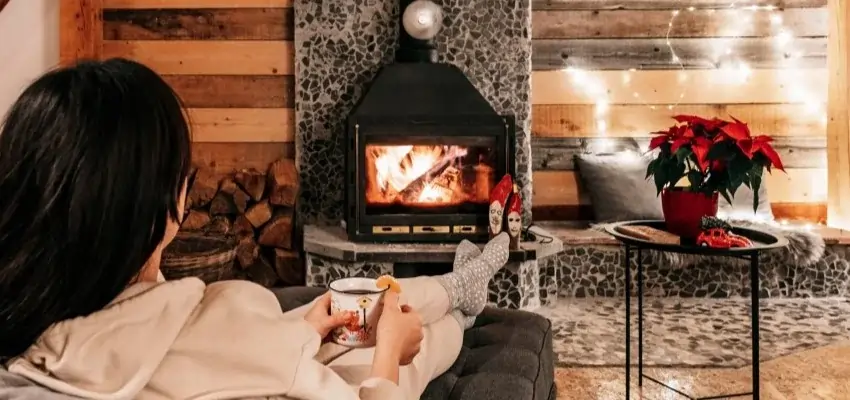
Prepare by letting the unit cool completely and clearing the space around it. Turn a gas fireplace off several hours before the appointment, and do not light a wood stove that day so the firebox is cold. Remove decorations, screens, rugs and anything stored on the hearth or mantel, and leave a clear path from the door. If the vent ends outside, make sure the technician can reach it. Have the manual and any past service paperwork ready, keep pets in another room and plan to be home to describe the problem and hear what was found.
Specific symptoms help most, along with the label information and the age of the unit if you know it. “It will not turn on” could mean no spark, a pilot that lights and drops out or a burner that never follows; each points somewhere different. Tell us whether the fireplace runs on a remote, a wall switch or a thermostat, whether it has power to it and when it was last serviced. For wood stoves, mention how the fire behaves and what wood you burn. Short videos of the startup are surprisingly useful, since they let us hear and see the sequence.
Burning habits show up in a stove’s parts so clearly that we can usually tell how it has been run before we ask. Warped baffles, cracked bricks and discolored steel point to overfiring, often from loading lots of dry wood with the air control wide open. Heavy black glass and sticky creosote point the other way, to damp wood or fires starved of air. The stoves that age gracefully get steady, moderate fires of well-seasoned wood, regular ash removal and doors that are latched rather than slammed. Following the burn instructions in your manual protects the gaskets, glass and internal parts.
Any technician experienced with the type of unit you own, whether it burns wood, gas or pellets, can work on it by following the manufacturer’s instructions for that model. Chimney Sweep Vancouver is an independent service company with no affiliation to the brand; we identify your unit from its label and use the parts its manual lists. When you compare companies after a “quadra-fire fireplace” search, ask which fuel types they service, since pellet and gas work call for different skills from wood stove work. A clear answer and a willingness to look up your model are good signs.
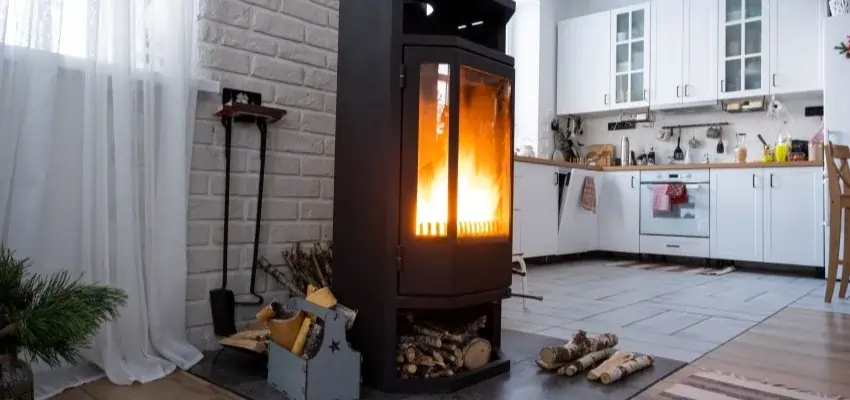
We would rather explain one thing clearly than list ten things you do not need. Ask us what matters for your home in Vancouver and we will give you a straight reply. Get in touch with Chimney Sweep Vancouver whenever you are ready.
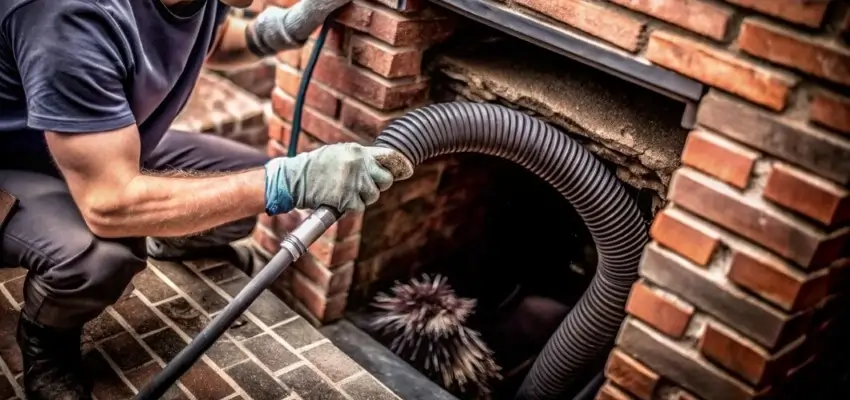
Flue last swept long ago? Chimney Cleaning in Vancouver
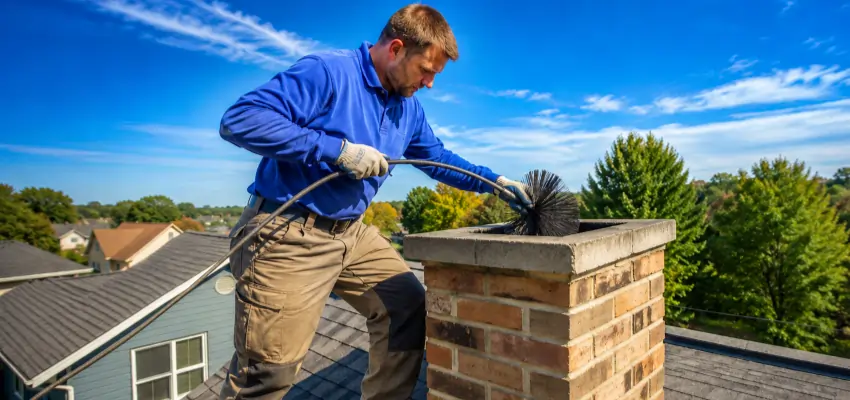
Your Vancouver fireplace, swept and checked: Chimney Sweep
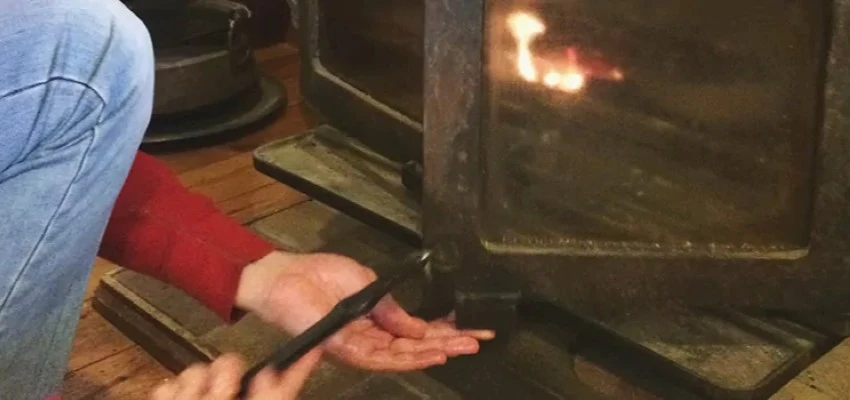
Chimney Sweep Services for fireplaces, stoves, and inserts in Vancouver
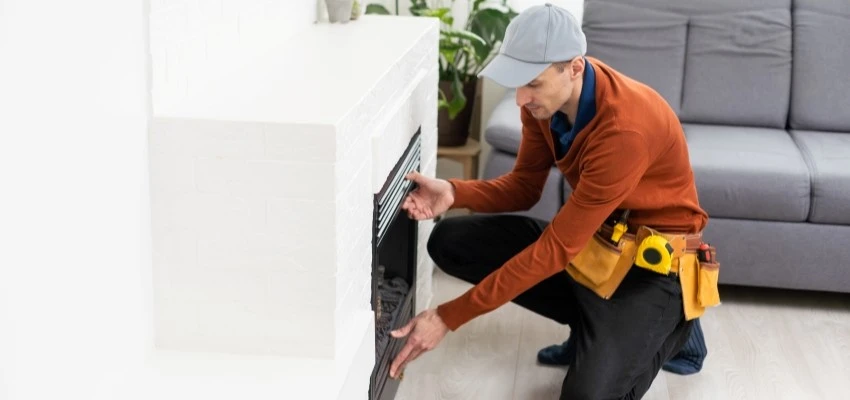
What Fireplace Experts check in your Vancouver chimney
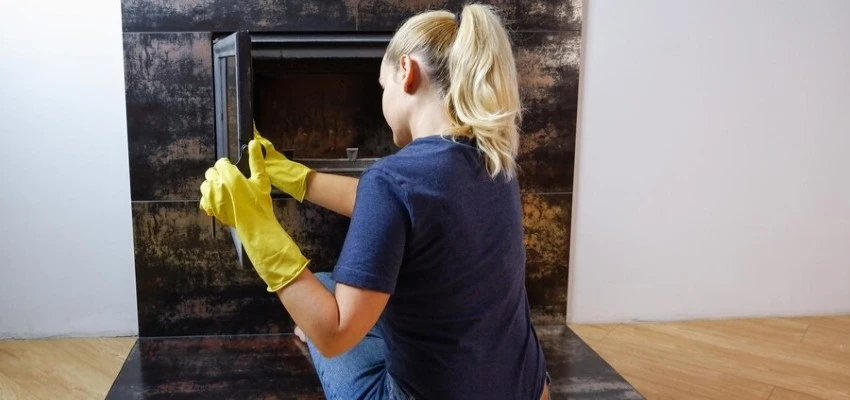
Logs lifted, embers reset: Gas Fireplace Cleaning near Vancouver
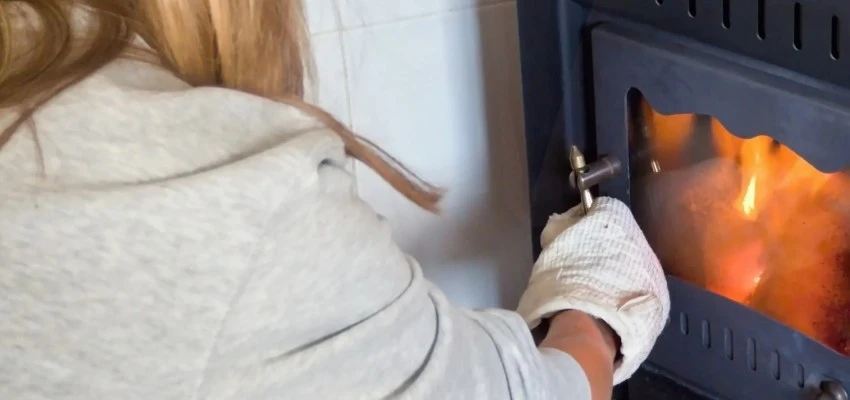
Fewer surprises mid-winter with Gas Fireplace Maintenance in Vancouver

