No pressure and no obligation: send your details and our team will put together an estimate for Pacific Energy Fireplace Repair Vancouver
Many people assume only the store that sold their fireplace can repair it. In practice, independent technicians work on a wide range of brands, guided by the model label and the manufacturer’s instructions. If you searched for “pacific energy fireplace repair” because you were not sure who to call in Vancouver, read on. You will see how Pacific Energy stove and insert repair usually unfolds, which details speed things up and which warning signs mean the unit should stay off until someone has looked at it.
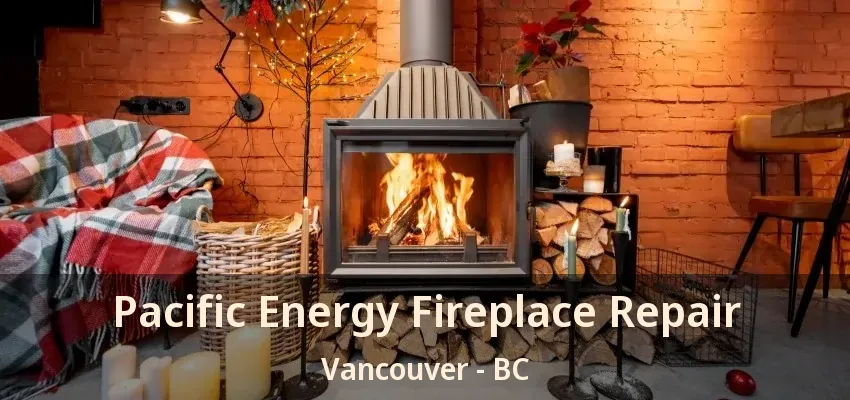
Not fundamentally. The stoves and inserts behind a search for “pacific energy fireplace repair” are built around the same clean-burning principles as many others: a sealed door, a baffle above the fire and secondary air that burns off the smoke. What differs from model to model is the shape of the baffle, how the air tubes are fixed and which gaskets and firebricks fit. A technician reads the rating label and works from the manual for that exact stove. Chimney Sweep Vancouver is an independent service company, so our job is to follow those instructions carefully rather than represent the manufacturer.
A rattling, humming or squealing blower on a wood insert usually means dust and ash have built up on the fan wheel, a bearing is wearing out or the blower housing has worked loose. Many insert blowers sit under or behind the firebox and pull room air across hot steel, so they collect fine ash and pet hair over a season. A technician can often clean the wheel and secure the housing; a motor with failing bearings is replaced. Mention the sound, when it started and whether it changes with fan speed when you book Pacific Energy stove and insert repair. Never reach into the blower area while the stove is hot or plugged in.
Smoke coming into the room usually means the stove is not drafting well or is leaking around its seals. Common causes include a door gasket that has flattened, a cracked glass seal, a partly blocked flue or chimney cap, a chimney that is still cold when the fire is lit and wet firewood that smolders instead of burning. Opening the door quickly can also pull smoke out. Open the air control and crack the door slowly before loading. If smoke keeps escaping, stop using the stove, have it and the chimney checked and make sure your carbon monoxide alarms work.
For the parts that wear, generally yes. Manufacturers tend to support their common service parts long after a model leaves the showroom floor, and many older units share components with newer ones. The harder calls come with obsolete control modules, valves and trim. Our routine is to read the rating label, find the parts list for that exact model and look for the original or a substitute the manufacturer approves. We do not adapt gas parts from other units to make something work. If a key safety component simply no longer exists, we will tell you so rather than force a repair.
A repair visit usually follows a clear sequence, starting with diagnosis. The technician asks what you have noticed, reads the model and serial label and makes sure the unit is cool and safe to open. On a gas fireplace, that means watching the ignition sequence, inspecting the pilot, burner and venting and checking connections for leaks. On a wood unit, it means looking at seals, baffles, firebricks and the flue connection. Once the cause is found, you should hear what failed, what the fix involves and whether a part has to be ordered. Simple repairs are often finished the same visit.
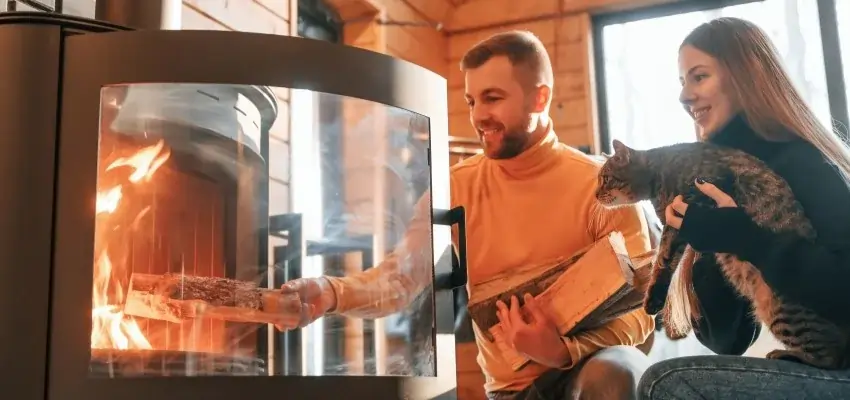
Servicing a wood stove is mostly about restoring a tight, predictable burn. We start with the seals, because a stove that leaks air burns too hot and too fast. Then we lower the baffle where the design allows, which lets us inspect the top of the firebox and the flue collar for creosote and corrosion. Firebricks are swapped if they are cracked through, and loose air tubes are reseated. If the stove uses a catalytic combustor, we check whether it is still doing its job. We finish at the stovepipe or liner and recommend a sweep if the deposits call for one.
Most of the difference comes down to three things: the part, the access and the time it takes to find the fault. Parts vary widely, and an electronic module or valve costs far more than a gasket kit. Access matters because an insert boxed in by stone, or a stove squeezed into a tight alcove, takes longer to open up than a unit with room around it. Intermittent faults take the most diagnosis, since we may need to run the fireplace through several cycles to catch the problem. We explain those factors before starting and price parts and labor separately.
Give the technician the brand, model and serial number, the fuel type and whether it is a built-in fireplace, an insert or a freestanding stove. Then describe the problem as precisely as you can: what happens, when it started, whether it is constant or comes and goes and anything that changed around that time, such as a power outage, new batteries or renovation work. Mention any blinking lights or sounds, and what you have already tried. Photos of the label, the controls and the flame help a lot. Clear details often mean the right part arrives with the first visit.
Look for a rating label, usually a metal plate or heat-resistant sticker fixed near the controls or on the back. On built-in gas units, we often find it hanging on a small chain behind the bottom grille, or riveted to the side of the control compartment. Stoves tend to carry theirs on the rear panel or the underside. That label is the single most useful thing you can share, because it gives the exact model, the fuel type and the listing details we need before ordering parts. A sharp photo taken in good light saves a lot of back-and-forth.
Sometimes the right call is a small fix, sometimes a bigger job and sometimes nothing at all. We tell you which one applies to your stove and why. Ask Chimney Sweep Vancouver for advice and decide in your own time.
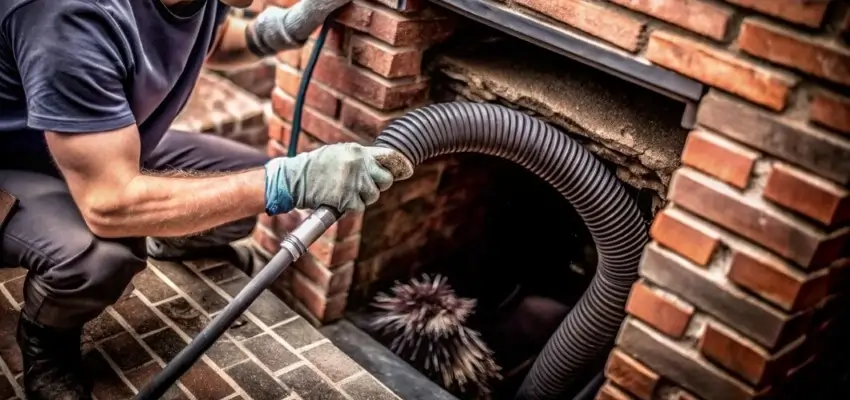
Flue last swept long ago? Chimney Cleaning in Vancouver
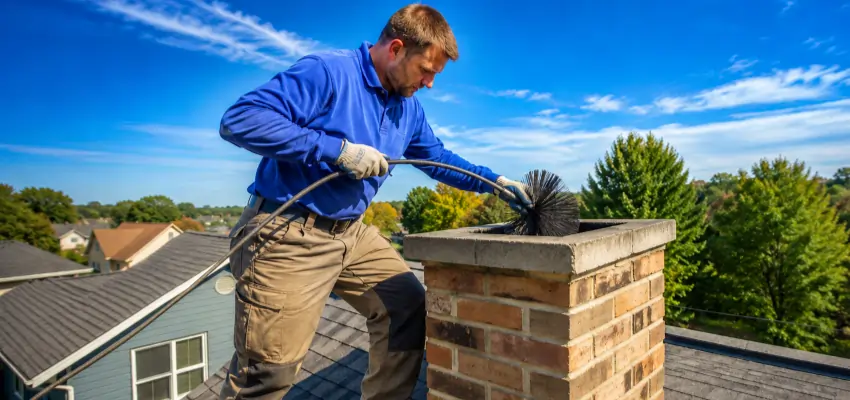
Your Vancouver fireplace, swept and checked: Chimney Sweep
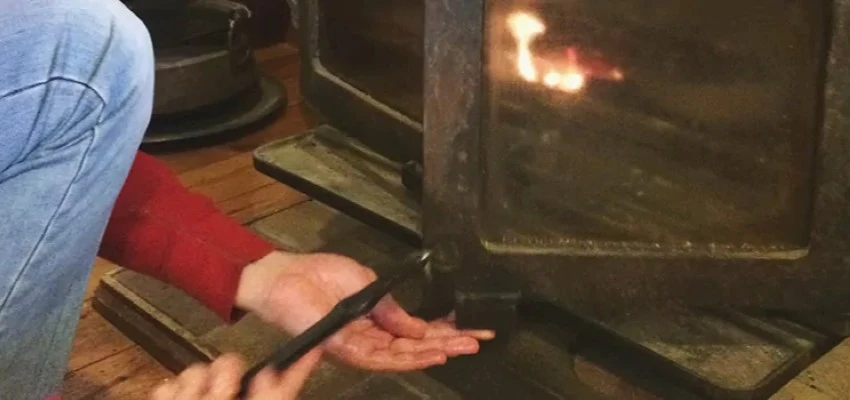
Chimney Sweep Services for fireplaces, stoves, and inserts in Vancouver
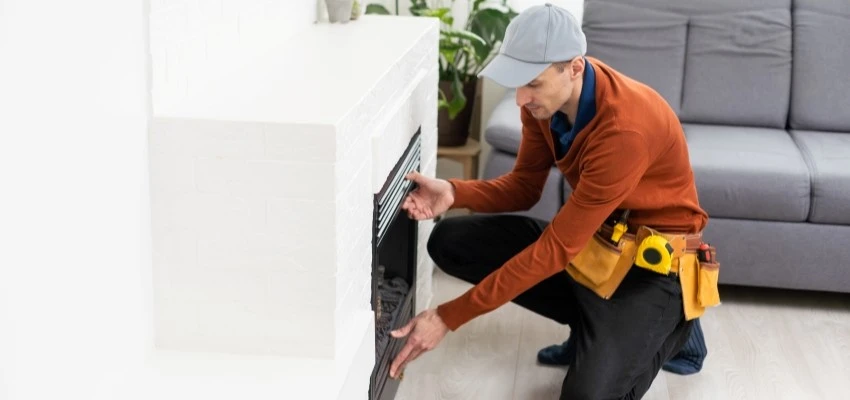
What Fireplace Experts check in your Vancouver chimney
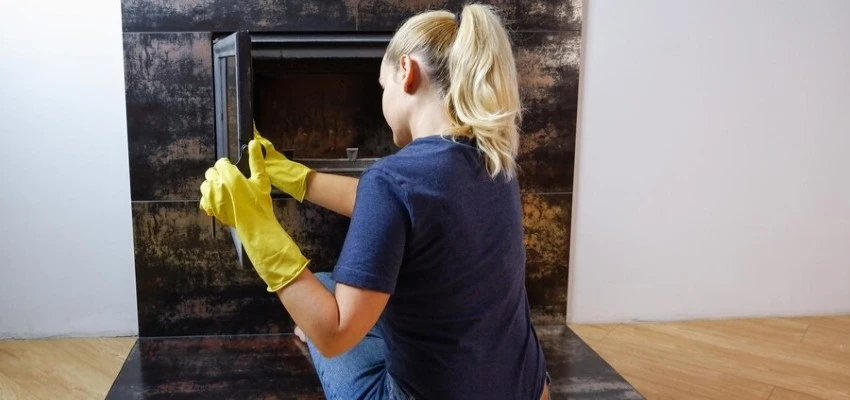
Logs lifted, embers reset: Gas Fireplace Cleaning near Vancouver
Fewer surprises mid-winter with Gas Fireplace Maintenance in Vancouver