No pressure and no obligation: send your details and our team will put together an estimate for Osburn Fireplace Repair Vancouver
Knowing how your fireplace works, and what usually goes wrong with it, makes any visit easier to plan. The questions collected here are a shortcut to both. They are the ones homeowners in Vancouver raise most often after a search for “osburn fireplace repair”, from tracking down the serial number to judging whether an older unit deserves a repair. Pick out whatever matches your situation and keep the rest as background for your decisions about Osburn stove and insert repair.

Often, yes, especially when the body of the unit is sound and parts are still available. Worn gaskets, a tired thermocouple, a cracked firebrick or a noisy blower are routine repairs that can give an older fireplace many more seasons. Replacement deserves a conversation when the firebox is rusted through or cracked, when key parts such as the gas valve or ignition system are no longer made, or when the unit has been damaged by water or overheating. Ask the technician to explain both paths in plain terms, including how long each is likely to last, before you decide.
Smoke coming into the room usually means the stove is not drafting well or is leaking around its seals. Common causes include a door gasket that has flattened, a cracked glass seal, a partly blocked flue or chimney cap, a chimney that is still cold when the fire is lit and wet firewood that smolders instead of burning. Opening the door quickly can also pull smoke out. Open the air control and crack the door slowly before loading. If smoke keeps escaping, stop using the stove, have it and the chimney checked and make sure your carbon monoxide alarms work.
Cloudy glass can be harmless or a clue, depending on its color. The chalky white film we see on gas fireplaces builds up gradually and mostly affects appearance, though left for years it can bake on for good. Black soot is the one we pay attention to, because carbon forms when the flame is not getting the air or gas mix it needs. That sends us to the burner ports, the log or media layout and the vent. On wood stoves, dark glass after every fire usually points to low air settings or firewood that has not dried long enough.
A stove that used to hold a fire overnight and now burns through its load quickly is usually pulling in too much air. Worn door or glass gaskets, a cracked firebrick that exposes a gap, a warped baffle or an air control that no longer closes fully are the common causes. Very dry or small pieces of wood burn faster too. A paper test at the door gasket is a fair first check you can do yourself when the stove is cold. If the seals pass, the technician looks deeper at the baffle, the air control linkage and the chimney draft, which can be stronger than the stove was designed for.
We work from the symptom backward. If a gas fireplace will not light, we watch what it does when you press the button or flip the switch: is there a spark, does the pilot form, does the main burner try? Each step narrows the problem to the ignition, the sensor, the valve or the supply. With a wood stove, the questions are about draft, sealing and wear, and the answers come from the gaskets, the baffle and how the fire behaves. Testing comes before replacing anything, so you are not paying for parts that were never the problem.
Many fireplace repairs are finished in a single visit of an hour or two, especially when the problem is a common wear part the technician carries. Longer visits happen when the fault is intermittent, when an insert has to be pulled forward or when several issues turn up together. If the needed part is not in stock, expect a diagnosis visit followed by a second appointment once it arrives, which can take days or weeks for older or less common models. Ask for a realistic timeline before work starts, especially if you rely on the fireplace for heat.
A common guideline is to have a fireplace or stove serviced once a year, ideally before the heating season. Gas units benefit from a yearly look at the burner, ignition, glass and venting, and many owner’s manuals suggest that interval. Wood stoves and inserts need their chimney or liner inspected yearly and swept as often as buildup requires, which depends on how much you burn and how dry your wood is. Heavy use, a unit that sat idle for a long time or any change in how it behaves are good reasons to book sooner rather than stretch the interval.
The most helpful thing is a cold, clear fireplace. We cannot safely open a unit that is still hot, so a gas fireplace switched off a few hours early and a stove left unlit since the day before save real time. We also need room to lay down drop cloths and set out tools, which means moving furniture, mantel décor and anything on the hearth. Outside, a clear route to the vent cap helps. If your fireplace has a wall switch, remote or thermostat, keep it handy. Pets tend to be happier in another room while panels come off.
Many service tasks can be done with the insert in place, such as replacing door gaskets, firebricks, glass and air tubes, cleaning the blower and checking the baffle. Repairs to the blower wiring or the liner connection sometimes mean sliding the insert forward, which takes care to protect the hearth and surround. A technician can tell from your model’s manual what is reachable from the front. When you book after searching for “osburn fireplace repair”, mention that it is an insert and whether the surround panels come off easily. Chimney Sweep Vancouver is an independent company and does this work without any link to the manufacturer.
After the visit you get a short summary of what we found, what we did and anything worth planning for later. It makes future decisions about your stove much easier. Book with Chimney Sweep Vancouver and keep it on file.
Flue last swept long ago? Chimney Cleaning in Vancouver
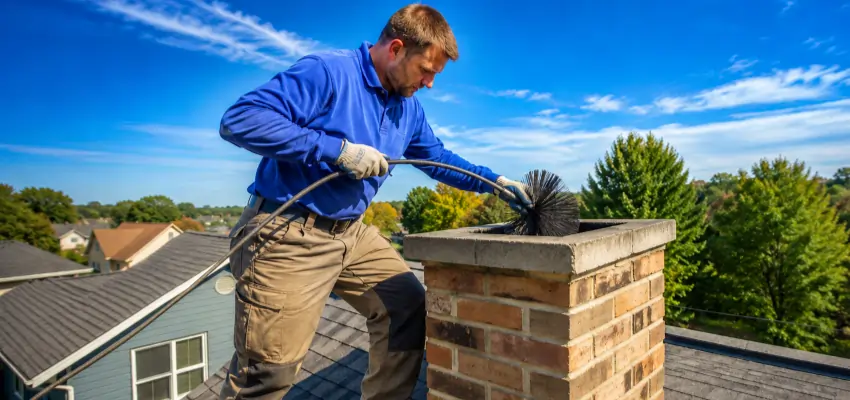
Your Vancouver fireplace, swept and checked: Chimney Sweep
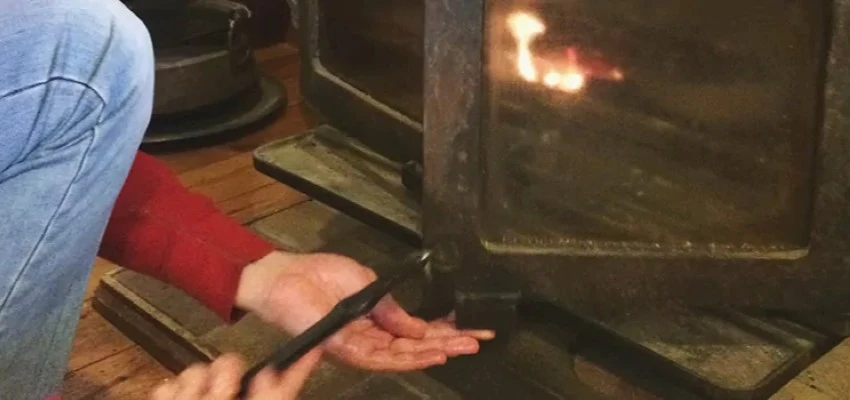
Chimney Sweep Services for fireplaces, stoves, and inserts in Vancouver
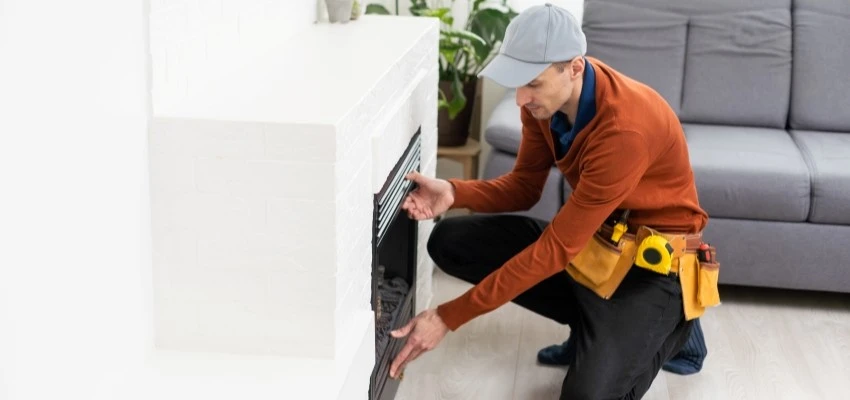
What Fireplace Experts check in your Vancouver chimney
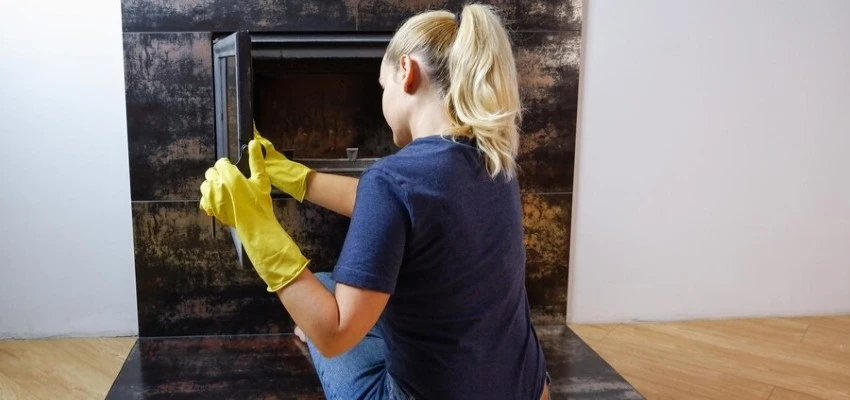
Logs lifted, embers reset: Gas Fireplace Cleaning near Vancouver
Fewer surprises mid-winter with Gas Fireplace Maintenance in Vancouver