No pressure and no obligation: send your details and our team will put together an estimate for Industrial Chimney Services Vancouver
A smoky smell on a humid afternoon, scratching above the damper, a fire that refuses to draw: chimneys tend to announce trouble in small ways first. If one of those moments led you to search for “industrial chimney services”, you are in a good place to start. This page walks through industrial chimney maintenance for buildings around Vancouver, explaining what usually causes problems, what a visit involves and which simple checks you can make safely on your own.
Soot is dry carbon and creosote is a tar-based wood smoke residue, and telling them apart helps us work out what is going on with the appliance. Soot wipes off on a fingertip and falls easily under a brush. When we find heavy soot in a flue serving a gas furnace, boiler or fireplace, we take it as a sign the burner may need attention from a qualified gas technician. Creosote, by contrast, tells us how the wood fires have been run: flaky deposits suggest reasonably hot burning, while sticky or glassy layers point to cool, smoky fires or firewood that was not dry enough.
From our side, commercial work covers the same kinds of flues we see in homes plus several that only businesses have: pizza and bread ovens that burn wood, banks of fireplaces in a lodge and boiler stacks heating a whole building. What changes is scale and record keeping. A building may have a dozen flues that need labeling so each one is tracked separately, and managers usually want photos and dated reports for their files. Access takes more planning as well, since a commercial roof can involve hatches, parapets or heights a house never does. The core job is still clearing deposits and checking condition.
A chimney camera is worth using because it shows the full length of the flue, where cracks, gaps and hidden buildup sit far beyond the reach of a flashlight. From the bottom or top you can see only a few feet in; the camera travels the whole way on a flexible rod and records what it finds. It can reveal broken or shifted tiles, missing mortar between sections, damage from an old chimney fire, separated metal joints and obstructions partway up. Ask to see the footage or still images. They make a recommendation much easier to understand and to compare if you want a second opinion.
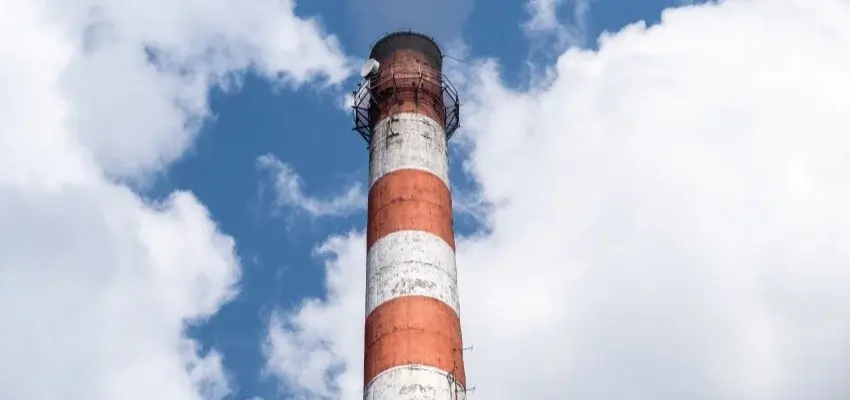
Tall stacks are inspected from the ground, the top and sometimes the inside, depending on their height and design. Ground surveys with binoculars and cameras look for cracking, leaning or loose material. Access to the top may involve lifts, scaffolding or rope access, and some providers use drones for a first look. Inside, cameras lowered from the top or entered through a cleanout door show the condition of the lining. Findings are usually documented with photos and measurements so they can be compared at the next visit. Ask any industrial chimney maintenance provider which of these methods it uses and what it subcontracts.
A standard chimney sweep usually takes about an hour to an hour and a half for a single flue. Expect more time if there are several flues, if a stove or insert has to be disconnected, if the roof is steep or high, or if the buildup is heavy or glazed. A camera inspection or a written report adds a little more. Plan to be available for the whole visit and for a short conversation at the end, when the technician explains what was found. If your day is tight, describe your setup when booking so the company can give you a realistic window.
Preparing for a chimney visit mostly means letting the fireplace or stove cool and clearing space around it. Skip fires for at least a day beforehand so the ashes and flue are cold. Move furniture, rugs, screens and decorations a few feet back from the hearth, and take fragile items off the mantel. Outside, make sure the technician can reach the roof: unlock gates, move vehicles away from the walls where a ladder may go and keep pets indoors. Note anything unusual you have noticed, such as smells, sounds or smoke, and have the date of the last cleaning handy if you know it.
Commercial chimney work is usually scheduled before opening, after closing or during a quieter season, so customers, guests and tenants are disturbed as little as possible. Ovens and fireplaces need to be out and cool beforehand, which for a busy kitchen often means booking the morning after a closed day. Arrange roof access, keys and parking for the service vehicle ahead of time, and let staff or residents know when someone will be on the roof. Buildings with many flues can often be done in stages over several visits. Agree on the order of work and a contact person on site before anything begins.
Tell us what burns in the chimney, what kind of appliance it serves, how tall the building is and what made you call, because those details save guesswork later. Wood, gas or both? A fireplace, an insert or a freestanding stove? Is the roof steep, tiled or metal? Have you had any trouble, like smoke in the room or scratching noises? Has anything changed recently, such as a new appliance or a renovation near the chimney? Those answers tell us whether to bring extra rods, roof gear or a camera, and how much time to reserve. We work around Vancouver every week, so a good description helps us plan your slot.
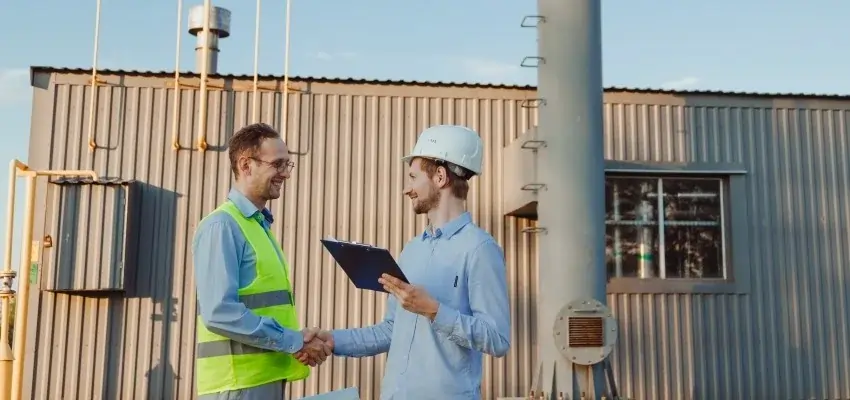
The equipment the chimney serves must be shut down, isolated and allowed to cool, and the site’s own safety rules have to be agreed in advance. That usually means a planning meeting covering shutdown timing, lockout procedures, access routes, work zones on the ground and who has authority to stop the job. Weather limits for work at height should be set too. Your safety officer may require orientation for the crew. Choosing a provider of “industrial chimney services” that asks about these details unprompted is a good sign it has worked on similar sites.
Simple routines at home go a long way, and a periodic visit catches what you cannot see. Together they keep your chimney in steady shape year after year. Call (778) 901-9988 to plan the next check with Chimney Sweep Vancouver.
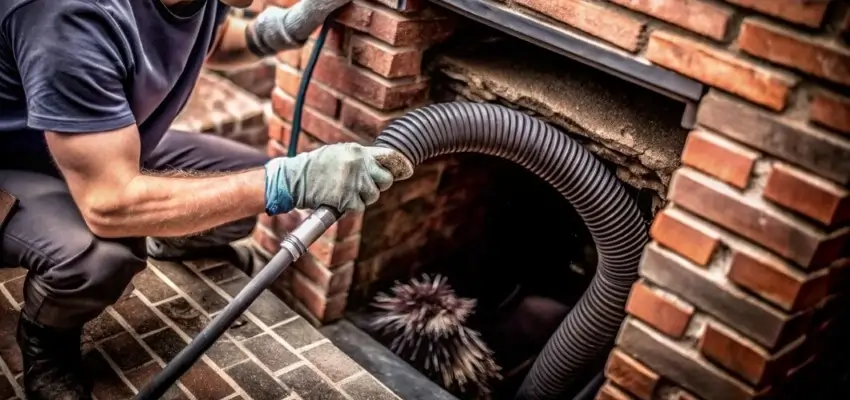
Flue last swept long ago? Chimney Cleaning in Vancouver
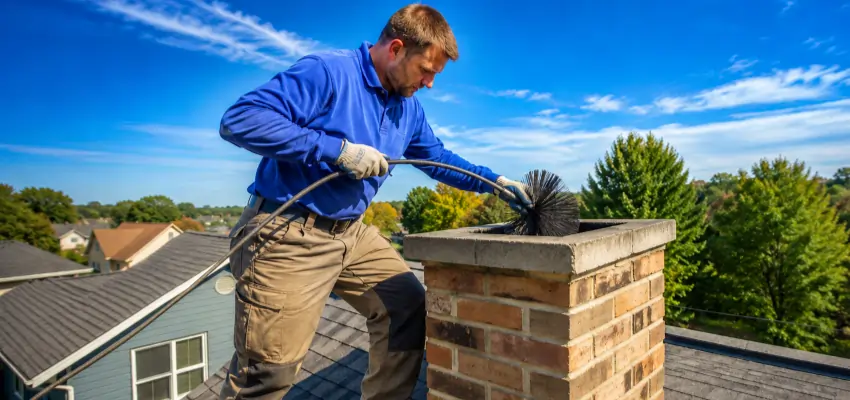
Your Vancouver fireplace, swept and checked: Chimney Sweep
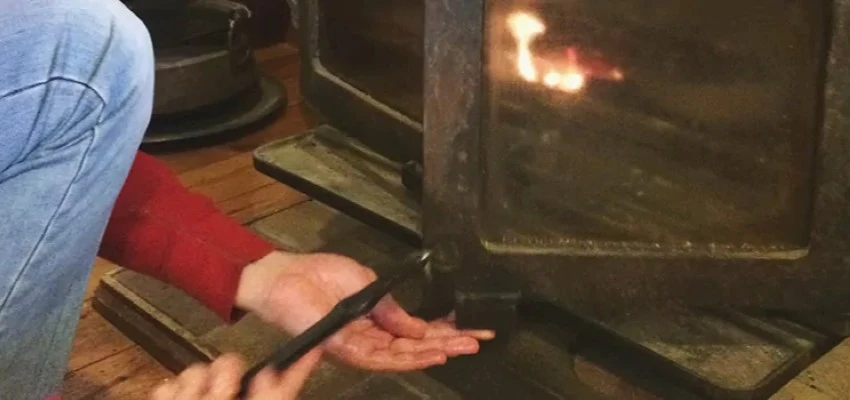
Chimney Sweep Services for fireplaces, stoves, and inserts in Vancouver
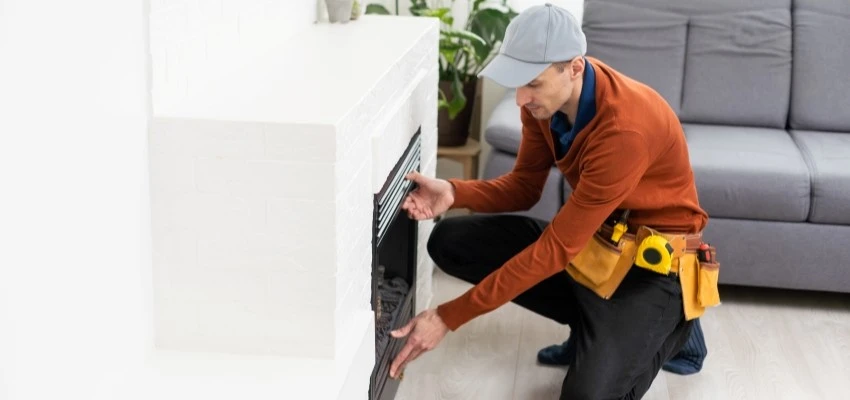
What Fireplace Experts check in your Vancouver chimney
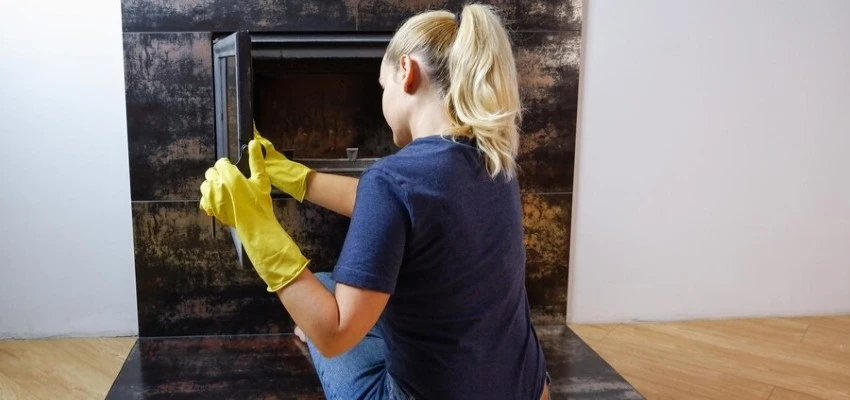
Logs lifted, embers reset: Gas Fireplace Cleaning near Vancouver
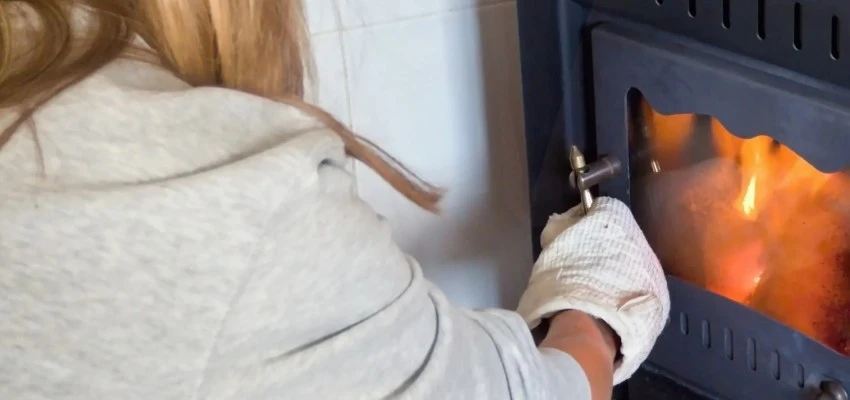
Fewer surprises mid-winter with Gas Fireplace Maintenance in Vancouver