No pressure and no obligation: send your details and our team will put together an estimate for Heat & Glo Fireplace Repair Vancouver
A fireplace or stove is often the coziest heat source in a home, and also one of the least understood. Behind the glass and the decorative trim sit valves, sensors, gaskets and baffles that each wear out at their own pace. If “heat & glo fireplace repair” is the phrase that brought you here, what follows gives households around Vancouver a practical overview of Heat & Glo gas fireplace repair, from the first warning signs to the questions worth asking before any work begins.

No, a dealer is not the only option. Independent technicians repair most major brands of gas fireplaces, inserts and wood stoves, because the core systems are similar from one maker to the next. What matters is that the technician identifies your exact unit from its rating label, follows the manufacturer’s installation and service instructions and uses the replacement parts those instructions call for. Dealers mainly sell and install new equipment, and some also offer service, but the choice of who works on your fireplace is yours. Ask anyone you call which types of units they handle and how they source parts.
Clicking with no flame means the igniter is sparking but the pilot is not catching. Many built-in gas fireplaces, including plenty of the units behind “heat & glo fireplace repair” searches, use electronic ignition that lights the pilot only when heat is called for. The usual suspects are a pilot hood clogged with dust, a worn or misaligned spark electrode, air in the gas line after a long idle spell, a supply valve left closed after other work or a control module that is failing. Let it click for a short while only, then switch it off. Repeated attempts are not a fix, and a qualified gas technician should trace the cause.
A pilot that will not stay lit usually points to a weak flame sensor, a pilot assembly clogged with dust or a draft problem in the venting. On many fireplaces, a small sensor called a thermocouple or thermopile sits in the pilot flame and holds the gas valve open; when it wears out or the flame no longer reaches it, the valve shuts. Low gas supply and a blocked vent can cause the same symptom. Leave the unit off rather than relighting it again and again, and book a technician. If you ever smell gas, leave the home and call your gas utility from outside.
Usually, yes, at least for the parts that wear out most. Thermocouples, igniters, gaskets, glass, firebricks and blowers are widely available, either as the original part or as a replacement the manufacturer lists as suitable for that model. Harder cases involve control boards, valves and decorative pieces from designs that were dropped long ago. When a part is discontinued, a technician looks for an approved substitute before considering anything else, and gas components in particular should never be swapped for something the manual does not allow. If no safe option exists, that is the moment to talk about replacing the unit.
A repair visit usually follows a clear sequence, starting with diagnosis. The technician asks what you have noticed, reads the model and serial label and makes sure the unit is cool and safe to open. On a gas fireplace, that means watching the ignition sequence, inspecting the pilot, burner and venting and checking connections for leaks. On a wood unit, it means looking at seals, baffles, firebricks and the flue connection. Once the cause is found, you should hear what failed, what the fix involves and whether a part has to be ordered. Simple repairs are often finished the same visit.
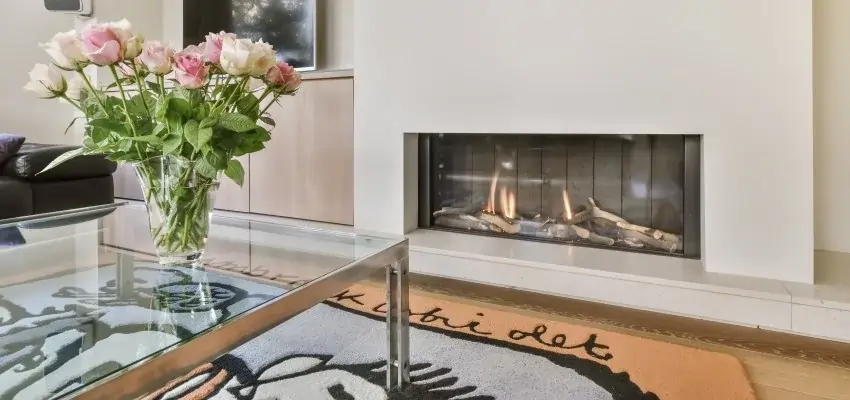
Once a year suits most households, and we adjust from there. A gas fireplace that runs every evening through the colder months collects more dust in the burner and more wear on its ignition than one lit a few times a season. A wood stove used as a main heat source may need its flue swept more than once in a winter. We note what we find at each visit, such as how dirty the burner was or how much creosote came out, and suggest the next date from that. Your manual’s recommendation is the baseline; your usage fine-tunes it.
Many fireplace repairs are finished in a single visit of an hour or two, especially when the problem is a common wear part the technician carries. Longer visits happen when the fault is intermittent, when an insert has to be pulled forward or when several issues turn up together. If the needed part is not in stock, expect a diagnosis visit followed by a second appointment once it arrives, which can take days or weeks for older or less common models. Ask for a realistic timeline before work starts, especially if you rely on the fireplace for heat.
That depends on the model. Fireplaces with electronic ignition need power for the spark and controls, and many are designed to accept a battery backup so they can still light when the electricity goes out; your manual says whether yours has one and where the batteries go. Older standing-pilot designs make their own small current from the pilot flame, so they often keep working, although blowers and lights stop. If yours will not light during an outage, do not force it. Note the behavior and mention it when you book Heat & Glo gas fireplace repair, because a backup that has quietly failed is a common find.
Prepare by letting the unit cool completely and clearing the space around it. Turn a gas fireplace off several hours before the appointment, and do not light a wood stove that day so the firebox is cold. Remove decorations, screens, rugs and anything stored on the hearth or mantel, and leave a clear path from the door. If the vent ends outside, make sure the technician can reach it. Have the manual and any past service paperwork ready, keep pets in another room and plan to be home to describe the problem and hear what was found.
From townhouses to detached homes, we see a wide range of setups around Vancouver and plan each visit around the home in front of us. If it is time to have your fireplace looked at, get in touch with Chimney Sweep Vancouver and we will arrange a time that suits you.
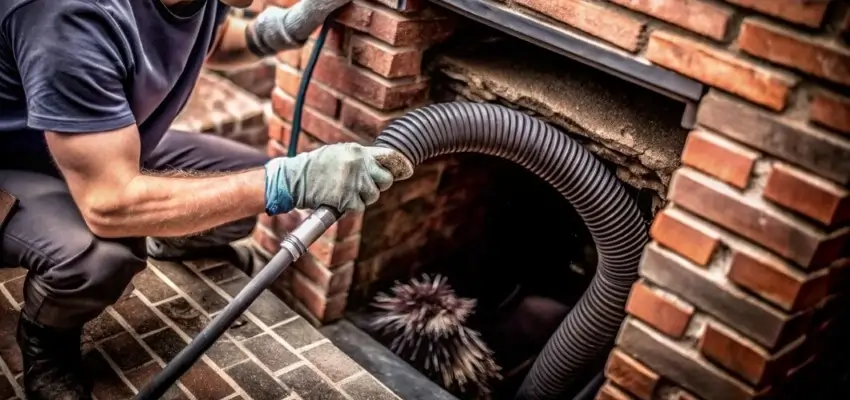
Flue last swept long ago? Chimney Cleaning in Vancouver
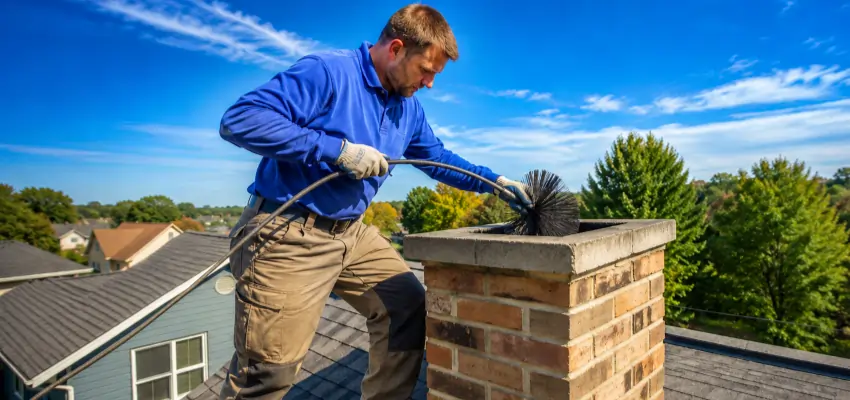
Your Vancouver fireplace, swept and checked: Chimney Sweep
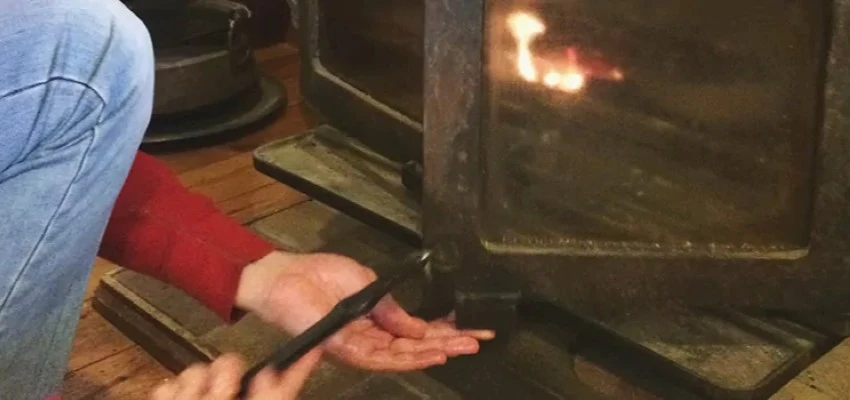
Chimney Sweep Services for fireplaces, stoves, and inserts in Vancouver
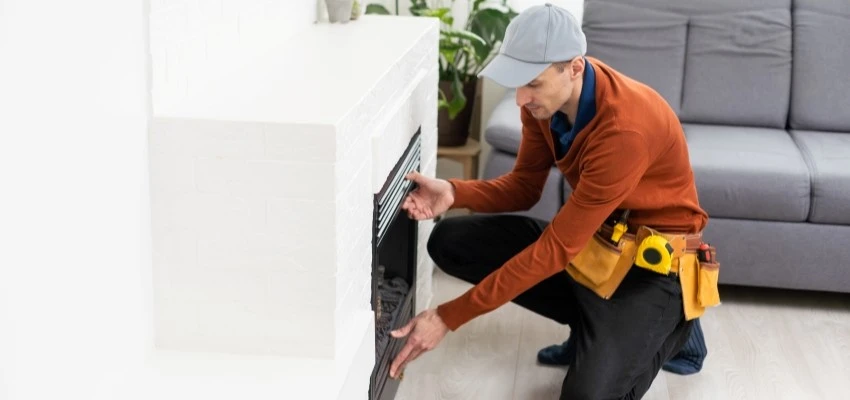
What Fireplace Experts check in your Vancouver chimney
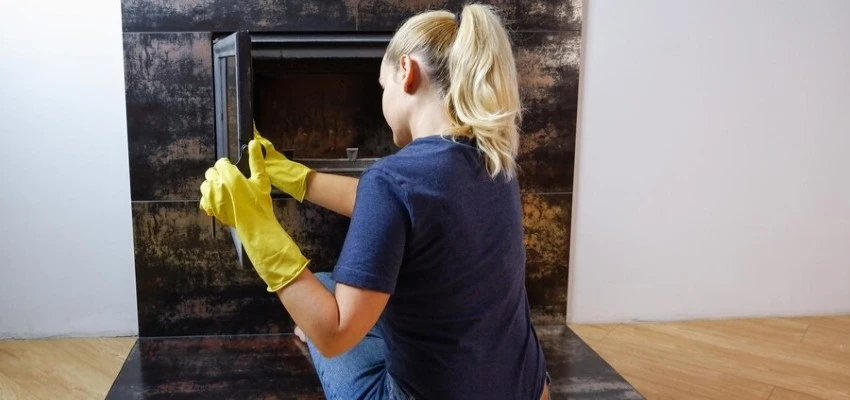
Logs lifted, embers reset: Gas Fireplace Cleaning near Vancouver
Fewer surprises mid-winter with Gas Fireplace Maintenance in Vancouver