No pressure and no obligation: send your details and our team will put together an estimate for Hearthstone Stoves Fireplace Vancouver
Clicking without a flame, a stove that will not hold a fire overnight, a smell you never noticed before: fireplace trouble usually starts with one small symptom. People in Vancouver who search for “hearthstone stoves fireplace” tend to have a specific problem in mind and a handful of general questions besides. Both are covered here, explained by technicians who open up gas and wood units every week, together with honest notes on what Hearthstone stove service can and cannot fix.

Soapstone changes the pace of the job. Many stoves sold under this name pair a cast iron frame with soapstone panels, and the stone soaks up heat slowly and gives it back for hours after the fire dies down. For anyone researching “hearthstone stoves fireplace”, that has two practical effects. The panels sit in channels sealed with gaskets or cement, and those joints are where air leaks tend to begin. A cracked panel can often be replaced on its own instead of condemning the stove. The stone also stays warm a long time, so a repair visit should start with a stove that has been out since the day before.
Partly. The basic systems are shared across brands: a gas unit needs a working valve, ignition, burner and vent, while a wood stove depends on tight seals, a sound firebox and a clear flue. What changes is the detail. Manufacturers place controls in different spots, use different ignition designs and specify their own replacement parts, and a single brand also changes its designs over time. That is why a careful technician starts with the model label and manual rather than guesswork. For you, the takeaway is simple: the repair approach is familiar, but the parts and steps are specific to your unit.
Cloudy glass can be harmless or a clue, depending on its color. The chalky white film we see on gas fireplaces builds up gradually and mostly affects appearance, though left for years it can bake on for good. Black soot is the one we pay attention to, because carbon forms when the flame is not getting the air or gas mix it needs. That sends us to the burner ports, the log or media layout and the vent. On wood stoves, dark glass after every fire usually points to low air settings or firewood that has not dried long enough.
Our gas fireplace checklist starts with safety and ends with appearance. First come the gas connections, tested for leaks, and the venting, inspected inside and at the outside cap. Then the ignition: pilot or spark, sensor output and how quickly the main burner lights. We clean dust and lint from the burner ports and the control area, since blockages cause lazy flames and soot. Logs, rocks or glass media go back exactly as the manufacturer drew them. Finally, we run the unit long enough to watch a steady flame and confirm the blower and controls respond.
A wood stove tune-up focuses on the seals, the parts inside the firebox and the connection to the chimney. The technician checks that the door and glass gaskets still seal, inspects firebricks for cracks, looks at the baffle and any secondary air tubes for warping and tests the air control and door latch. On stoves with a catalytic combustor, its condition is checked too. The flue connection and the chimney itself should be inspected and swept as needed, since creosote buildup affects both safety and draft. Many owners book this before the heating season begins.

Specific symptoms help most, along with the label information and the age of the unit if you know it. “It will not turn on” could mean no spark, a pilot that lights and drops out or a burner that never follows; each points somewhere different. Tell us whether the fireplace runs on a remote, a wall switch or a thermostat, whether it has power to it and when it was last serviced. For wood stoves, mention how the fire behaves and what wood you burn. Short videos of the startup are surprisingly useful, since they let us hear and see the sequence.
It should work the way it did when it was healthy, and we check that before leaving. We run the fireplace through a full start, watch the flame pattern and confirm the controls respond, or for a stove, make sure new gaskets seat properly when the door latches. Fresh paint, adhesives and new gaskets can give off a smell for the first few burns; that is expected and fades quickly with some ventilation. What is not expected is the same fault coming back. If it does, let us know, because an intermittent problem sometimes has a second cause hiding behind the first.
Stone handles sudden heat less gracefully than steel, because it carries a little moisture and expands as it warms. That is why the manuals for many soapstone stoves describe a break-in routine: a few small fires, each slightly larger than the last, before running the stove hard. The same idea applies after a new panel is fitted or when the stove has sat unused through a damp summer. A roaring first fire can stress the stone and its seams. Once warmed through, the stove settles into the steady, even heat that draws people to soapstone, and ordinary use is fine.
Listen to how they handle the first phone call. A company that knows fireplaces will want the label details, will ask whether the unit is a built-in, an insert or a stove and will describe how it diagnoses before it quotes. On the visit, the technician should test before replacing parts, follow the manufacturer’s instructions and show you the worn component when it comes out. Honest companies are also clear about what they are: an independent service business is a perfectly good choice, as long as nobody suggests a connection to the manufacturer that does not exist.
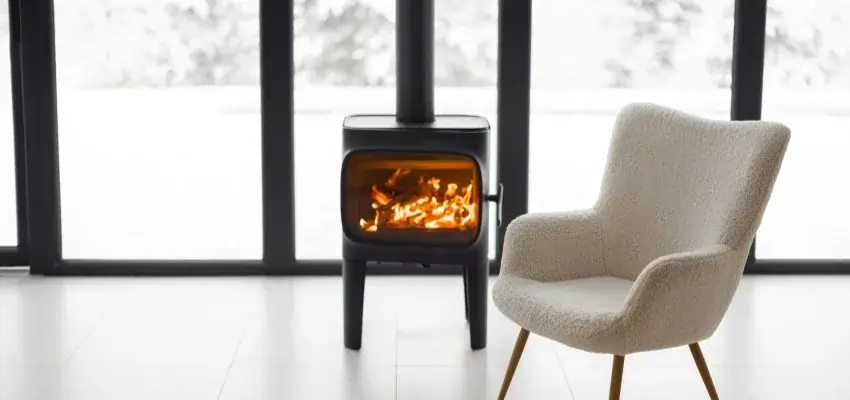
The weeks before heavy use are the calmest time to deal with your stove. Appointments are easier to find and any repair can be planned without pressure. Book Hearthstone stove service in Vancouver while your calendar still has room.
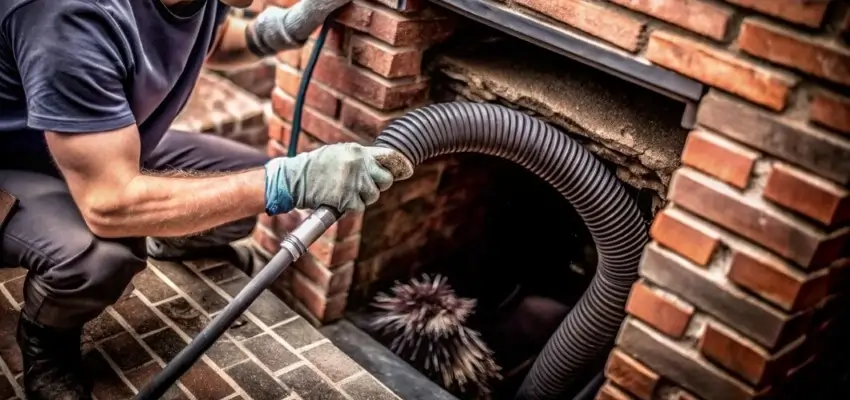
Flue last swept long ago? Chimney Cleaning in Vancouver
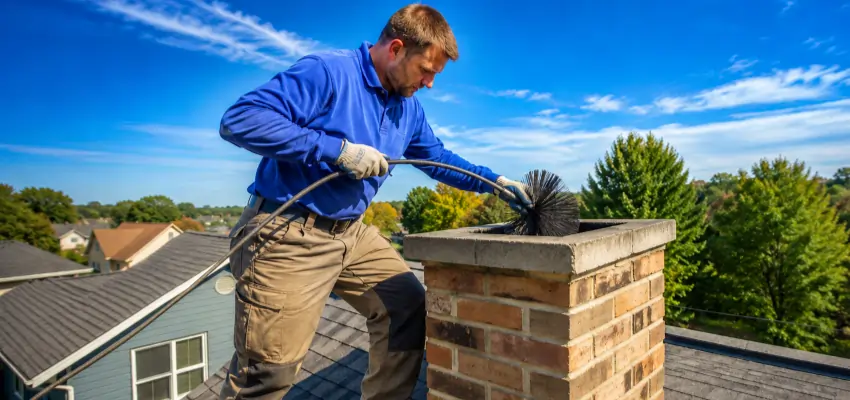
Your Vancouver fireplace, swept and checked: Chimney Sweep
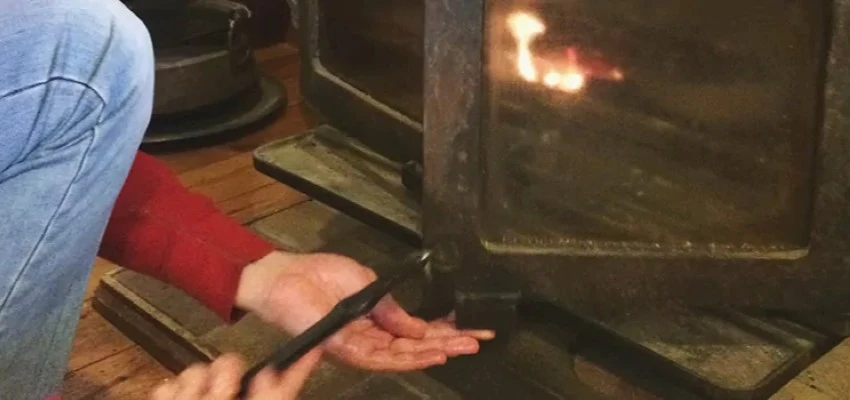
Chimney Sweep Services for fireplaces, stoves, and inserts in Vancouver
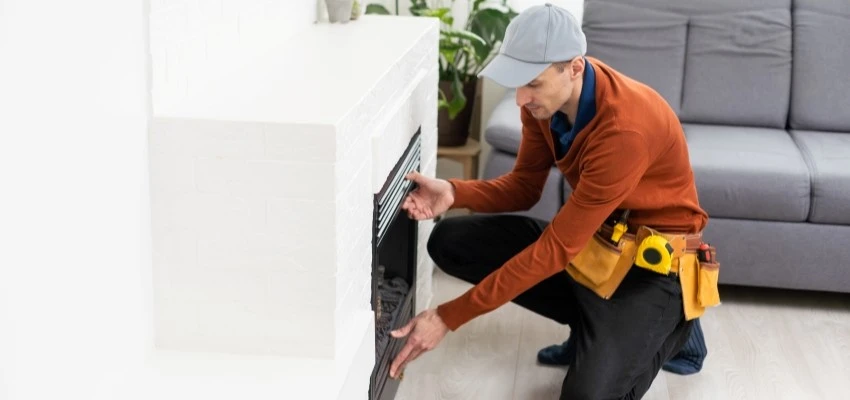
What Fireplace Experts check in your Vancouver chimney
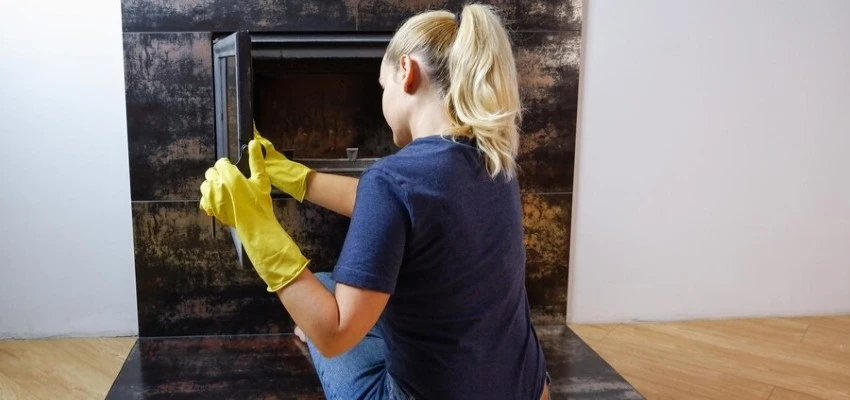
Logs lifted, embers reset: Gas Fireplace Cleaning near Vancouver
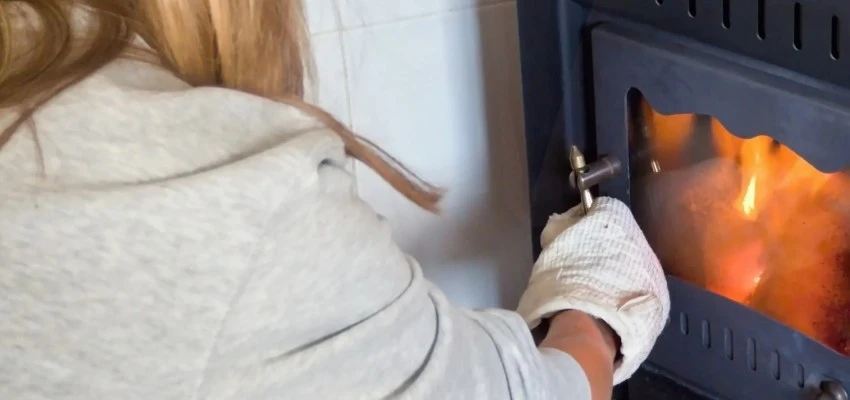
Fewer surprises mid-winter with Gas Fireplace Maintenance in Vancouver