No pressure and no obligation: send your details and our team will put together an estimate for Gas Fireplace Embers Vancouver
Many people only think about their gas fireplace on the first chilly evening of the year, which is exactly when small faults decide to show up. A pilot that will not stay lit, a remote that does nothing or glass clouded with a white haze can spoil the moment. If “gas fireplace embers” is what brought you here, read on for clear answers about gas log and ember service for homes in Vancouver, from what causes common problems to what a service visit actually includes.
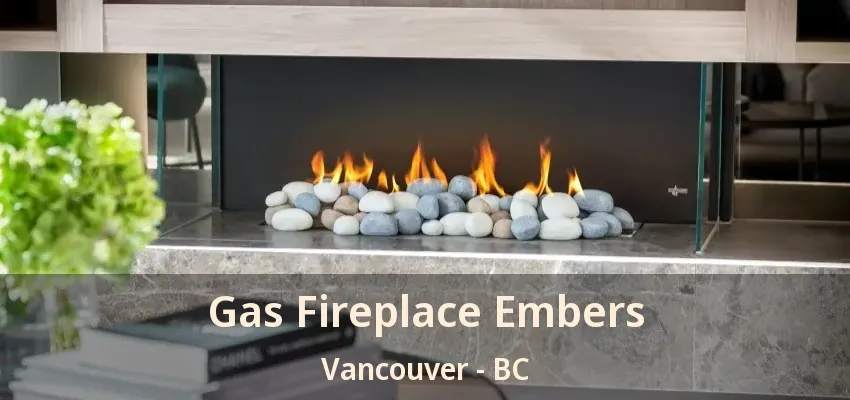
Embers add the warm, glowing bed that makes a gas fire look more like a real wood fire. Placed in small tufts near the burner ports, they catch the edge of the flame and glow orange, filling the gaps between or under the logs. Some fireplaces use glowing embers alongside logs, while modern designs may use glass, stones or other media instead. Embers are decorative, but their placement also affects how the flame burns, which is why manuals show exactly where they go. If you searched for “gas fireplace embers” to brighten a dull-looking fire, the condition and position of the embers is often the reason.
A gas fireplace works like a small heating appliance dressed up to look like a wood fire, with controls that decide when gas may flow and a flame source that lights it. When you press the switch, the control system confirms it is safe to proceed, the pilot or igniter supplies a flame and the main valve opens to feed the burner. A sensor sitting in the pilot flame, usually a thermocouple, thermopile or flame rod, proves the fire is there; without that proof, gas stops flowing. Older units run on a tiny current made by the pilot itself, while newer ones use batteries or household power. Knowing which design you own tells us where to look first when something fails.
Treat any gas smell as real until it is proven otherwise; that is the rule we follow ourselves. Faint or strong, the response stays the same: walk out, take everyone with you and make the call from outside, well away from the house. Switches, doorbells, phones and even the fireplace remote can create a small spark, so leave them alone. Once the utility has checked the home, we can look for the cause at the fireplace, which is often a loose fitting, a worn connector or a valve that no longer seals. The fireplace stays off until that repair is made and a leak test passes.
Gas fireplace glass is cleaned with a cleaner made for fireplace glass and a soft cloth, once the fireplace is off and completely cool, to remove the white film that builds up inside. That cloudy film is a normal mineral deposit from burning gas, and ordinary household glass cleaners tend to smear it or leave residue that bakes on during the next fire. On sealed units, cleaning the inside means removing the glass front, and refitting it so the gasket seals evenly is part of keeping exhaust out of the room. Leave the inside of the glass to the yearly service and wipe only the outside yourself.
A gas fireplace service typically includes cleaning, inspection and a test run. The technician shuts off the gas to the unit, removes the glass front and cleans the inside of the glass, the logs or media and the firebox. The burner and pilot are cleared of dust and debris, the logs go back in their correct positions and the glass gasket is checked. Ignition, safety sensors and controls are tested, gas connections are checked for leaks and the outdoor vent termination is looked at for blockages. Finally, the fireplace is run to confirm a clean, steady flame and a proper shutdown.

Repairing a gas fireplace is usually the sensible choice when the firebox, burner and venting are in good shape and the problem is a replaceable part such as a sensor, igniter or valve. Replacement starts to make sense when parts are no longer available, when repairs keep coming back, or when the firebox is cracked, rusted through or damaged by heat. Some owners also replace an older unit to gain features such as a remote, a thermostat or more heat. Ask the technician to explain the condition of the main components, not only the part that failed, so you can weigh the repair against a new unit.
Alarms belong near bedrooms and on every floor, and we ask about them at nearly every gas fireplace visit because they are the only reliable way to know if exhaust ends up indoors. A well-kept, properly vented fireplace should not cause a problem, but vents can be blocked by nests and seals can fail without warning. In the homes we visit, the gaps we see most are alarms missing from bedroom hallways, units with dead batteries and alarms well past their replacement date. Pressing the test button once a month takes seconds. Combination smoke and carbon monoxide alarms are a convenient choice where only one device fits.
No, only the ember material approved for your fireplace should be used. Different products behave differently in the flame, and the wrong type can melt, give off odors, block burner ports or cause soot. Household items such as sand, garden rocks, pinecones, wood chips or paper should never be added to a gas fireplace. The owner’s manual usually names the approved media. If you are shopping for “gas fireplace embers” replacement material, ask a technician to confirm the product for your model and, ideally, to place it during service so the flame pattern stays correct.
Gas fireplace embers should be replaced when they look thin, have darkened or no longer glow the way they did when the fireplace was new. Most glowing embers are a fluffy mineral wool that gradually breaks down from heat and gets disturbed during cleaning, while some fireplaces use vermiculite, lava rock or glass media instead. Only use the ember material listed for your model, placed in the spots the manual shows, usually near the burner ports but never covering them. Too much material can block gas flow and cause soot. Many owners refresh embers during the yearly service, when the glass is already off.
Start with whatever you noticed, even if it seems minor. A short description is enough for us to suggest the right kind of visit for your gas fireplace. Call (778) 901-9988 and the Chimney Sweep Vancouver team will guide you from there.
Flue last swept long ago? Chimney Cleaning in Vancouver
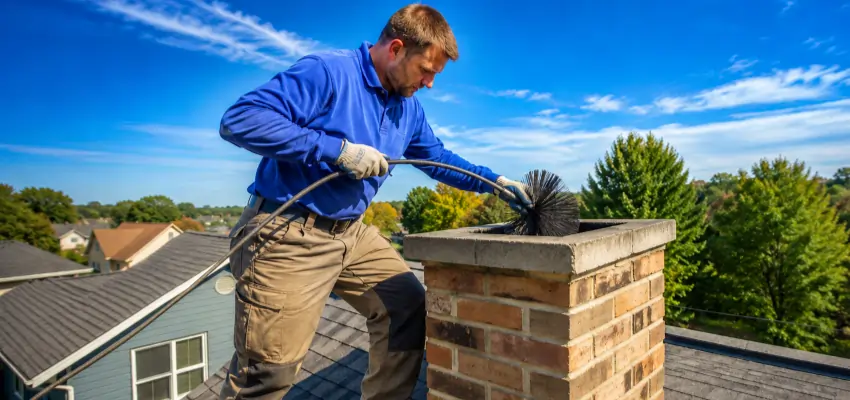
Your Vancouver fireplace, swept and checked: Chimney Sweep
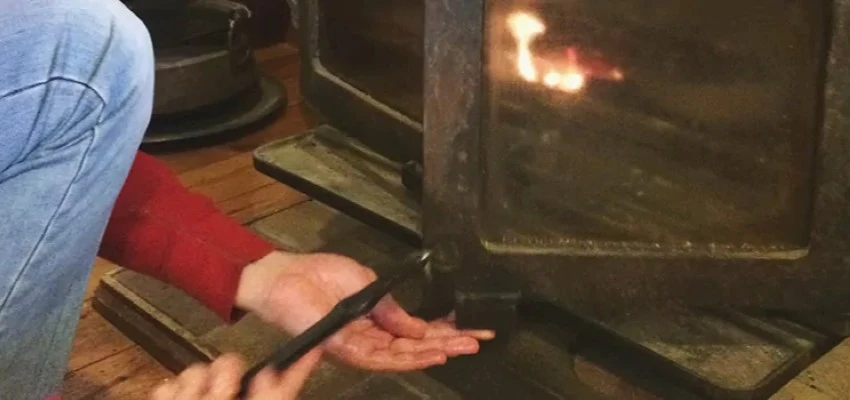
Chimney Sweep Services for fireplaces, stoves, and inserts in Vancouver
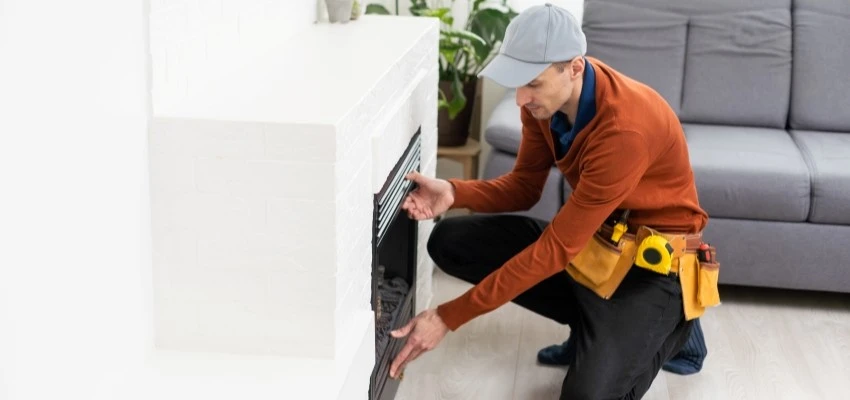
What Fireplace Experts check in your Vancouver chimney
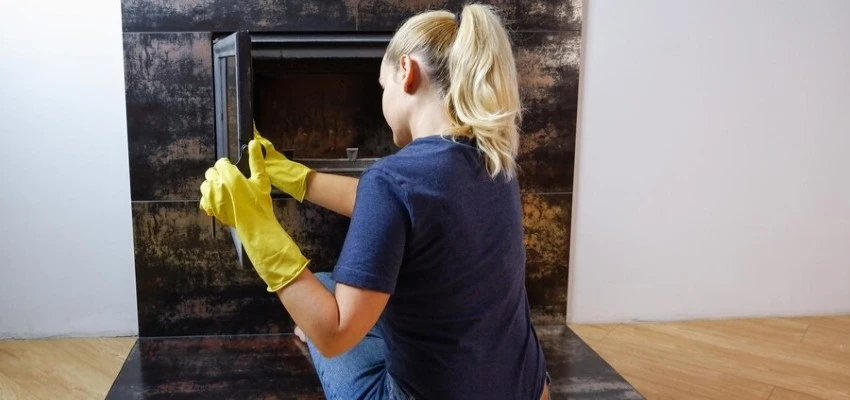
Logs lifted, embers reset: Gas Fireplace Cleaning near Vancouver
Fewer surprises mid-winter with Gas Fireplace Maintenance in Vancouver