
No pressure and no obligation: send your details and our team will put together an estimate for Fix Non-Working Fireplace Vancouver
A hazy room after the last fire, a campfire smell on a warm afternoon, a brick that wobbles when you touch it: small things like these send many homeowners in Vancouver looking for “fix non-working fireplace”. Sometimes they mean nothing serious, and sometimes they are an early warning. The answers on this page explain fireplace troubleshooting and repair clearly, so you can tell the difference and decide what your fireplace needs.

The usual reasons are damp wood, too little air or a cold or blocked flue. Wood that has not dried long enough hisses and smolders instead of catching. A damper left partly closed, a fire packed too tightly or a house pulling air down the chimney starves the flame. A cold flue can push smoke back down until it warms, and a blocked cap or heavy creosote limits the draft further. If dry wood and a fully open damper do not solve it, a visit booked under “fix non-working fireplace” can check the flue, cap and air supply.
Smoke comes into the room when the chimney is not pulling air upward strongly enough, and the cause is usually one of a few things. The damper may be partly closed, the flue may be cold when the fire is lit, or a nest, debris or heavy creosote may be blocking the path. Strong kitchen or bathroom fans and very airtight homes can also pull air down the chimney. Open the damper fully and crack a nearby window when lighting the fire. If smoke keeps spilling, stop using the fireplace, have it checked and make sure your carbon monoxide alarms work.
The signs fall into two groups: what you hear during the fire and what we find after it. A fast chimney fire is often described as sounding like a freight train or a jet engine, with popping as tiles and deposits heat up. In that moment, the only job is to leave the house and call the fire department. Afterward, we look for creosote that has swelled into a honeycomb texture, discolored or distorted metal, cracked liner sections and stains where smoke escaped through gaps. Those clues matter because a quiet chimney fire can damage a flue without anyone noticing.
The clearest signs a fireplace needs repair are visible damage and changes in how it behaves. Look for cracked or loose firebrick, mortar that crumbles or leaves gaps, rust flakes falling into the firebox, a damper that sticks or will not close, and cracked tiles on the hearth or surround. Smoke drifting into the room, a strong odor in warm weather and water stains near the opening point to trouble too, often higher up in the chimney. Any one of these deserves a closer look before the next fire, and several together usually mean repairs are overdue.
Cracked tiles are replaced one at a time when the base underneath is sound, and that base is the first thing we check. A single crack from a dropped log is a simple swap: we cut out the grout, lift the broken pieces, clean the bed and set a replacement using materials rated for the heat near a fire. Several cracks running in a line usually mean the hearth slab has shifted or the substrate is failing, and swapping tiles alone will not hold. Near the opening we avoid ordinary household tile adhesives, which can break down with heat and leave tiles loose again.

Diagnosis works through the system in order, from the simple to the hidden. The technician asks what happens when you light a fire, checks that the damper opens fully and looks for obvious debris. Next comes the flue, using a light or camera to look for nests, collapsed tiles or heavy deposits, and the cap and screen on the roof. Then the house itself is considered: fans, airtight windows and the size of the opening compared with the flue. Each step rules something out, so the repair targets the real cause instead of a guess.
A firebox rebuild, the step taken once patching can no longer keep up, means removing the worn firebrick and mortar and laying new firebrick with refractory mortar made for high heat. It is usually recommended when many bricks are cracked, loose or crumbling, when gaps run through the back or side walls, or when earlier patches have failed. The work is done from inside the opening, with the room protected from dust. Afterward, the mortar needs time to cure before the first fire, and the first few fires should be small. Done properly, a rebuilt firebox can handle many seasons of regular use.
A common guideline is to have the chimney inspected once a year and swept whenever buildup calls for it, which for many households also works out to about once a year. Homes that burn a fire most evenings through the colder months may need a sweep more often, sometimes partway through the season, while a fireplace used a few times a year may go longer between cleanings. Wood stoves used as a main heat source tend to build up creosote faster. Damp wood, smoldering fires and cold outside chimneys all shorten the interval, so let the yearly check guide the schedule.
Evidence is how you tell: a repair that is truly needed can be shown in photos or footage and explained in plain words. We never mind being the second opinion, and we are happy when homeowners get one on our own quotes. A solid quote breaks the job into steps, lists materials and says what happens if more damage turns up once work begins. When a recommendation feels like a lot, ask what would happen if you waited a season. A straight answer to that question, with the risks spelled out, is one of the clearest signs of a trustworthy quote.

Tell us your address in Vancouver, what you have noticed and when you are usually home. That is all we need to plan fireplace troubleshooting and repair around your schedule. Send the details and the Chimney Sweep Vancouver team will reply with options and a price.
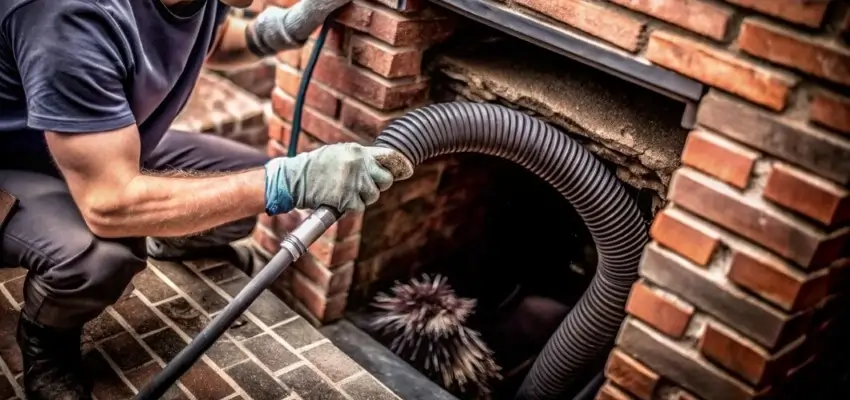
Flue last swept long ago? Chimney Cleaning in Vancouver
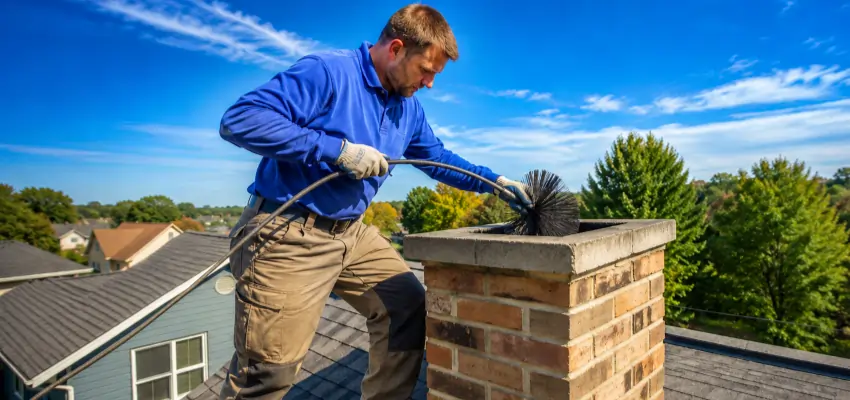
Your Vancouver fireplace, swept and checked: Chimney Sweep
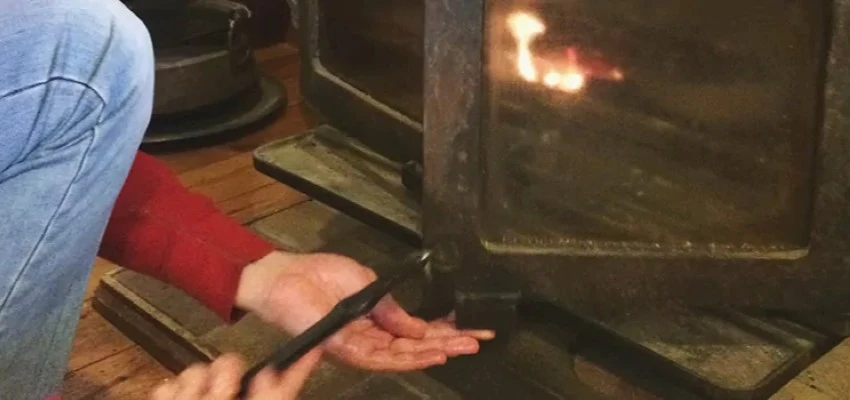
Chimney Sweep Services for fireplaces, stoves, and inserts in Vancouver
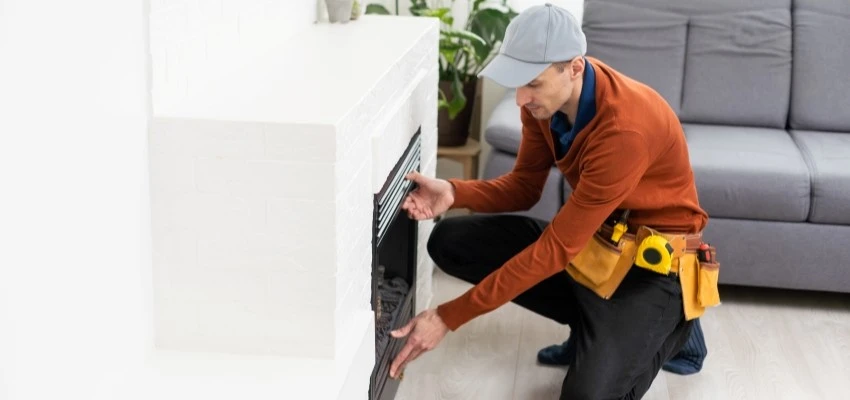
What Fireplace Experts check in your Vancouver chimney
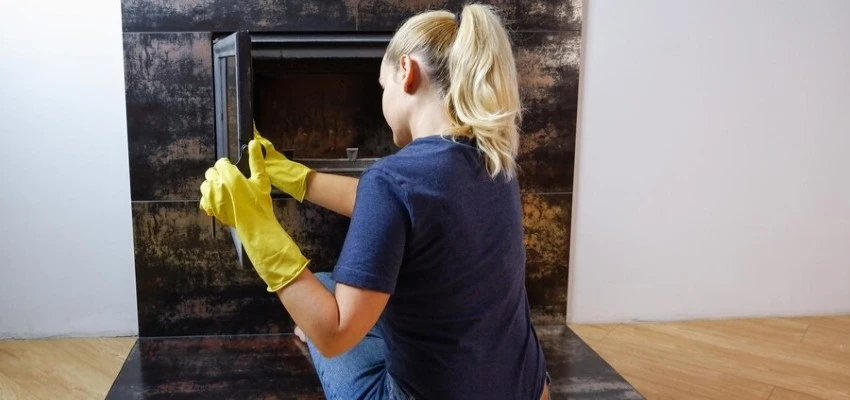
Logs lifted, embers reset: Gas Fireplace Cleaning near Vancouver
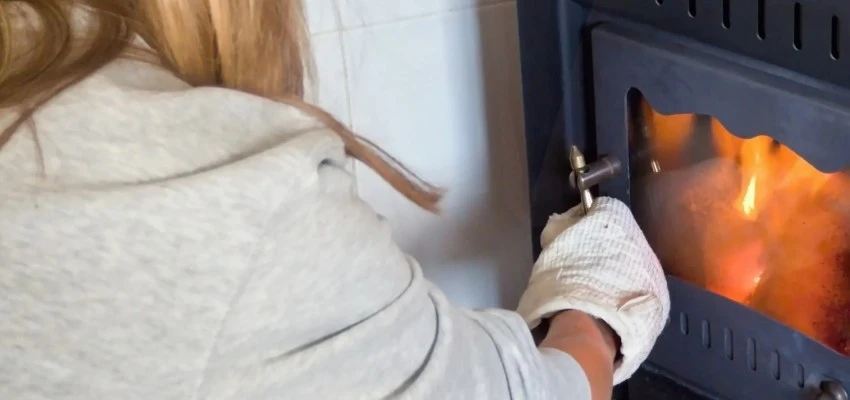
Fewer surprises mid-winter with Gas Fireplace Maintenance in Vancouver

