
No pressure and no obligation: send your details and our team will put together an estimate for Fireplace Vent Cleaning Vancouver
A fireplace or wood stove is part heater, part centerpiece and part exhaust system, and each part needs its own kind of attention. Homeowners in Vancouver who search for “fireplace vent cleaning” often start with one problem and discover that the whole picture matters. Here you will find straightforward answers about fireplace flue cleaning, from the basics of creosote and drafts to choosing who works on your home. Dip into whichever answers match your situation.

Regular care catches problems that build slowly and out of sight, and a fireplace that has gone years without a visit shows exactly that pattern. The flue carries a crust of creosote, the cap is clogged with leaves or missing, and joints in the firebox have eroded from repeated heating. None of it happened overnight, and most of it would have been a simple fix earlier on. Neglect also hides things like a cracked flue tile or a rusted damper, which only show up when someone looks. Routine service is really about knowing the condition of a system you trust with an open flame indoors.
Yes. When the flue is blocked by a nest, fallen debris, collapsed liner pieces or heavy creosote, smoke and gases have nowhere to go but back into the room. Carbon monoxide can build up even when little smoke is visible, which is why working alarms matter in any home with a fireplace. Signs of a blockage include a fire that smolders, smoke that rolls out of the opening and a smell that lingers after the fire is out. Stop using the fireplace and book “fireplace vent cleaning” before lighting another fire.
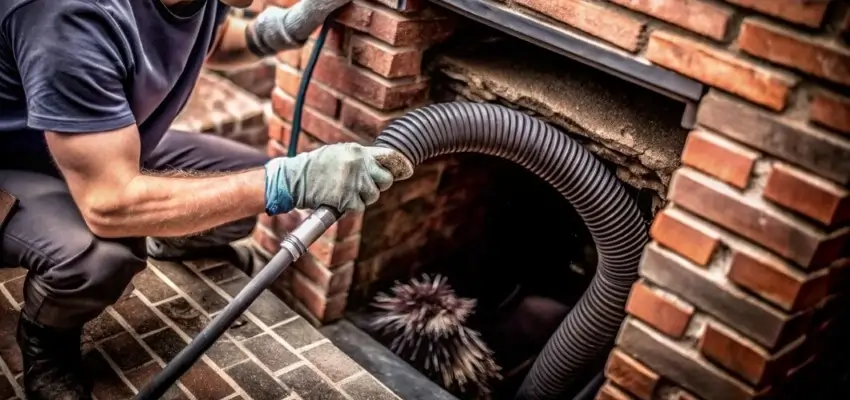
Yes. Metal flues in factory-built fireplaces are usually cleaned with stiff poly brushes that match the pipe diameter, since wire brushes can scratch the inner surface and loosen joints. Care is taken not to dislodge sections or damage the cap assembly. Masonry flues lined with clay tile are often cleaned with steel brushes sized to the tile, and the smoke shelf and smoke chamber get hand cleaning. In both cases, the technician should check joints, seams and the top termination while working. Knowing your flue type helps the company bring the right tools.
A careful sweep should leave little or no mess, because the soot is contained and vacuumed as the work happens. Expect drop cloths around the hearth, the fireplace opening or stove door sealed off and a vacuum running for much of the visit. A little fine dust can still escape when the damper is opened or stovepipe comes apart, so clear the mantel and move rugs and furniture back a few feet. If you have light carpet or upholstery nearby, mention it when booking. A good crew leaves the hearth cleaner than they found it.
The schedule depends on how much you burn and how cleanly, more than on the calendar. For a household with occasional fires, a yearly visit usually finds a light layer ready to come out. Someone heating with a stove every day may need cleaning before the season ends, especially if the wood is not fully seasoned. Signs between visits help too: black flakes on the hearth, slower starts and darker glass all suggest buildup is growing. Jot down the date of each sweep along with how heavy the deposits were, and after a season or two the right interval becomes clear.

Many chimneys can be cleaned from inside, through the fireplace opening or stove, but a complete job often includes a look from the roof as well. Working from below with flexible rods handles plenty of flues, especially with a vacuum holding the dust back. The roof is where the cap, crown, flue top and outside masonry can be checked, and some caps or tight bends make cleaning from the top easier. Technicians only go up when weather and roof conditions allow it safely. Mention steep pitches, fragile roofing or tight ladder space when you book.
Dry, seasoned wood that has been split and stored for six months to a year or longer burns cleanest, because it lights easily and produces less smoke and creosote. Wet wood wastes heat boiling off water, smolders and coats the flue faster. Well-seasoned pieces are lighter, show cracks across the ends and sound hollow when knocked together, and an inexpensive moisture meter takes out the guesswork. Splitting and stacking wood in spring, off the ground and covered on top, usually has it ready for the colder months. Never burn painted or pressure-treated lumber, trash or cardboard boxes.
Ashes are cleaned out safely by waiting until they are cold, scooping them into a lidded metal bucket and taking that bucket straight outside. Cold ash only, every time; any warmth deep in the pile means it waits. Once outside, the bucket belongs on bare ground or concrete, where a surviving ember can do no harm. We have seen ash buckets left on wooden decks and in garages, which is exactly where they should not be. Daily stove users may empty the pan every day or two, and ash vacuums made for the job are an option once everything is fully cold.
Choose a company that explains its work clearly, inspects before recommending repairs and puts its quote in writing. A good company asks about your fireplace or stove before the visit, protects your floors during the work, shows you photos of what it finds and separates urgent problems from optional ones. Recent reviews that mention tidiness, punctuality and straight advice are worth reading. Experience with your type of appliance, whether masonry, factory-built or a stove, matters as well. Treat pressure to decide on the spot, or alarming claims with no photos behind them, as a reason to call someone else.

Tell us the days and hours that suit you and we will look for an opening that matches. We confirm the arrival window ahead of time so you can plan your day in Vancouver. Request a time for fireplace flue cleaning.
Flue last swept long ago? Chimney Cleaning in Vancouver

Your Vancouver fireplace, swept and checked: Chimney Sweep
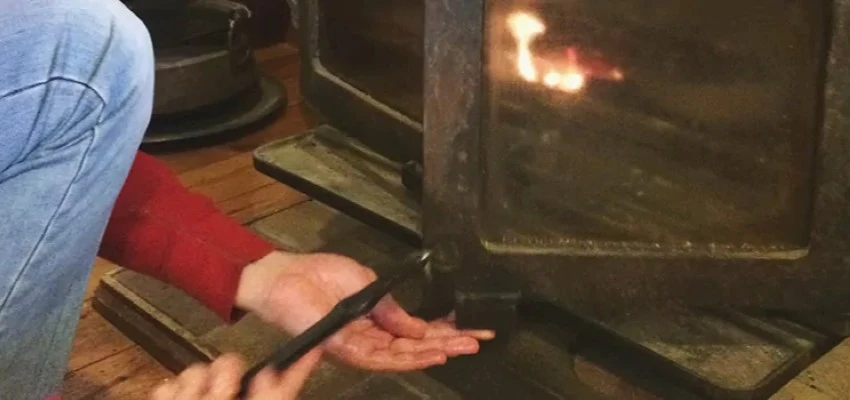
Chimney Sweep Services for fireplaces, stoves, and inserts in Vancouver
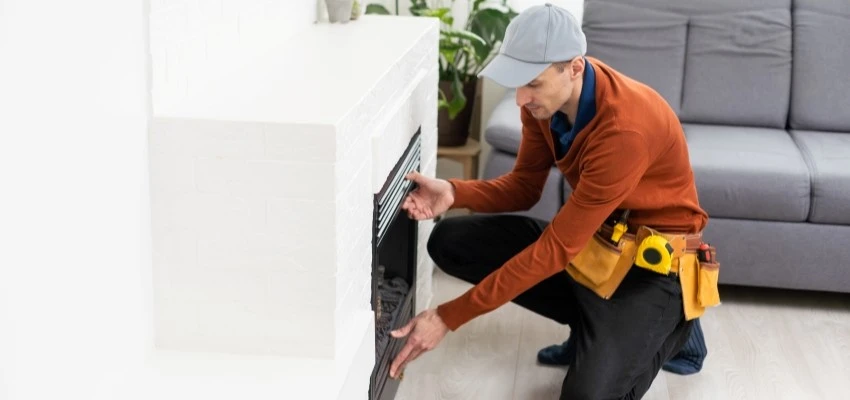
What Fireplace Experts check in your Vancouver chimney
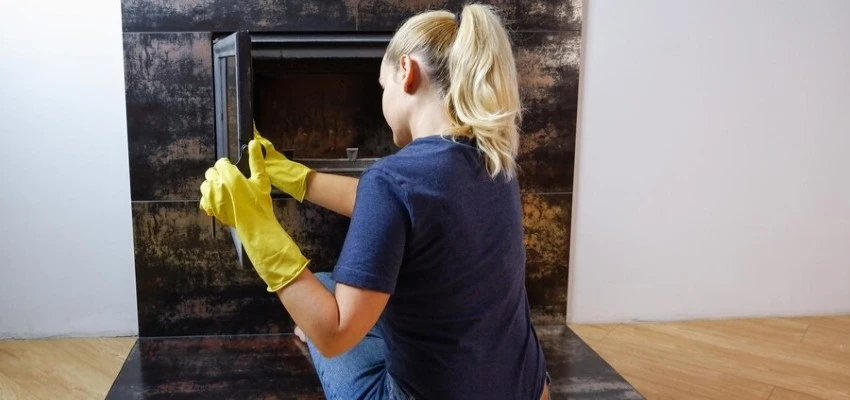
Logs lifted, embers reset: Gas Fireplace Cleaning near Vancouver
Fewer surprises mid-winter with Gas Fireplace Maintenance in Vancouver

