No pressure and no obligation: send your details and our team will put together an estimate for Fireplace Safety Inspection Vancouver
Wood heat is simple in principle: the fire burns in the box and the smoke rises up the chimney. Keeping it that simple takes a clean flue, sound masonry and parts that seal the way they should. If “fireplace safety inspection” was your search, here is what households around Vancouver usually want to know about fireplace inspection, explained in a straightforward way, so you can decide what your own fireplace needs.
Regular care catches problems that build slowly and out of sight, and a fireplace that has gone years without a visit shows exactly that pattern. The flue carries a crust of creosote, the cap is clogged with leaves or missing, and joints in the firebox have eroded from repeated heating. None of it happened overnight, and most of it would have been a simple fix earlier on. Neglect also hides things like a cracked flue tile or a rusted damper, which only show up when someone looks. Routine service is really about knowing the condition of a system you trust with an open flame indoors.
A fireplace becomes unsafe when it can no longer keep heat, sparks and smoke where they belong. The usual culprits are heavy creosote that can ignite, cracked flue tiles or firebrick that let heat reach wood framing, a missing or damaged hearth extension, mantels and trim too close to the opening and blockages that push smoke and carbon monoxide into the room. Missing smoke and carbon monoxide alarms add to the risk. A fireplace safety inspection looks for each of these in turn, so you know whether to keep using the fireplace, plan a repair or stop until it is fixed.
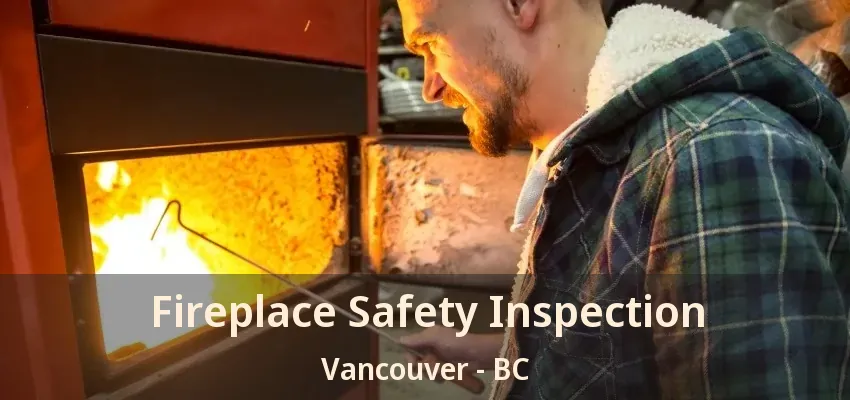
A fireplace inspection checks every accessible part of the system for damage, blockages and unsafe setup. That usually covers the firebox, firebrick and mortar, the damper, the smoke chamber, the visible flue liner, the hearth and the area around the opening, plus the chimney exterior, crown and cap. The technician also looks at how close mantels and wood trim sit to the opening and whether the hearth in front extends far enough. A camera often helps with hidden parts of the flue. You should receive clear findings, ideally with photos, that separate urgent issues from items to watch.
A common guideline is to have the chimney inspected once a year and swept whenever buildup calls for it, which for many households also works out to about once a year. Homes that burn a fire most evenings through the colder months may need a sweep more often, sometimes partway through the season, while a fireplace used a few times a year may go longer between cleanings. Wood stoves used as a main heat source tend to build up creosote faster. Damp wood, smoldering fires and cold outside chimneys all shorten the interval, so let the yearly check guide the schedule.
A routine cleaning or inspection usually takes about one to two hours, and a combined sweep and inspection can run a little longer. Time depends on how much creosote has built up, how tall the chimney is, whether the roof has to be accessed and whether a stovepipe must come apart. Glazed deposits and any small repairs agreed on during the visit add time, while larger masonry work is normally scheduled separately. Plan to be home for the whole visit and allow a few minutes at the end to go over the findings. Describing your setup when booking helps the company estimate the time.
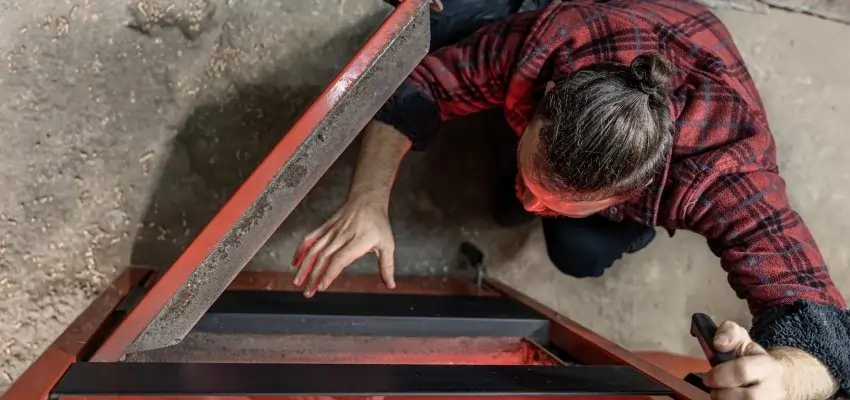
Leave it largely as it is, apart from unburned logs and decorative pieces. We actually prefer to see the firebox before anyone tidies it, because what lies on the floor tells a story: black flakes suggest creosote breaking loose above, mortar crumbs point to joint wear and gritty debris can mean a crown or cap problem. Shoveling out warm ash is the one thing to avoid, since embers can survive in an ash bed for days. If the pile is overflowing and stone cold, removing some of it is perfectly fine.
Most fireplace safety comes down to daily habits. Use a screen or glass doors whenever a fire burns, never leave a fire unattended and make sure it is fully out before bed or leaving the house. Keep children and pets back from the hearth, and keep rugs, furniture and decorations a safe distance from the opening. Never use gasoline or other accelerants to start a fire. Keep a fire extinguisher nearby and test your alarms monthly. These habits work alongside a yearly “fireplace safety inspection” visit, which catches what you cannot see.
Before the first fire of the season, make sure the chimney has been inspected and cleaned if needed, then run through a few quick checks yourself. Open the damper fully and look up with a flashlight for nests or debris. Test smoke and carbon monoxide alarms and replace batteries if needed. Check that the screen or doors work, that the area in front of the hearth is clear and that nothing flammable sits on or near the mantel. Have dry wood, a metal ash container and a fire extinguisher ready, and start with a small fire to warm the flue gently.
Ask about scope, evidence and pricing, since those answers reveal most of what you need to know:
It is also fair to ask whether they work on your type of appliance. Specific, confident answers are reassuring; vague ones are a cue to compare another company.
You do not need to know the right terms before you call. Describe the problem in your own words and we will translate it into a plan for your fireplace. Reach us at (778) 901-9988 or ask for a quote online, whichever is easier for you.
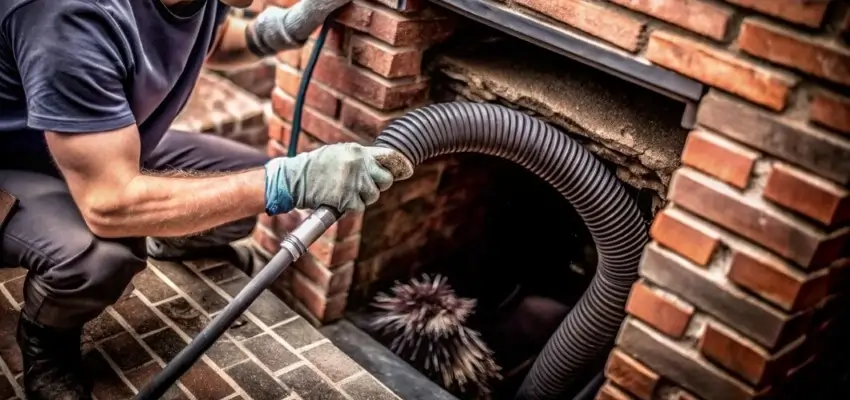
Flue last swept long ago? Chimney Cleaning in Vancouver
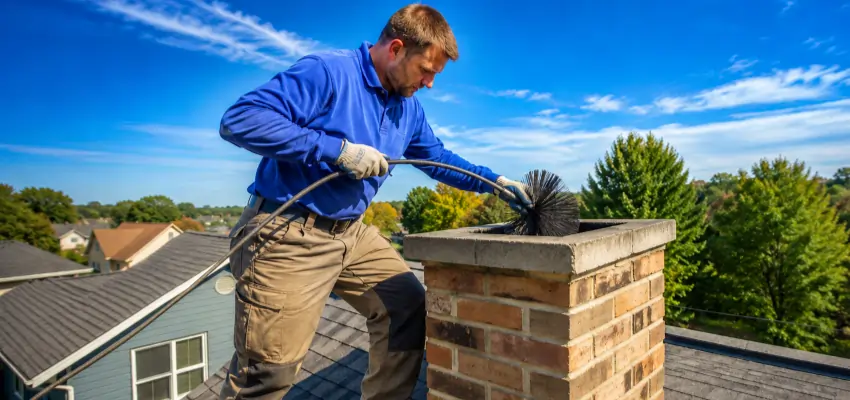
Your Vancouver fireplace, swept and checked: Chimney Sweep
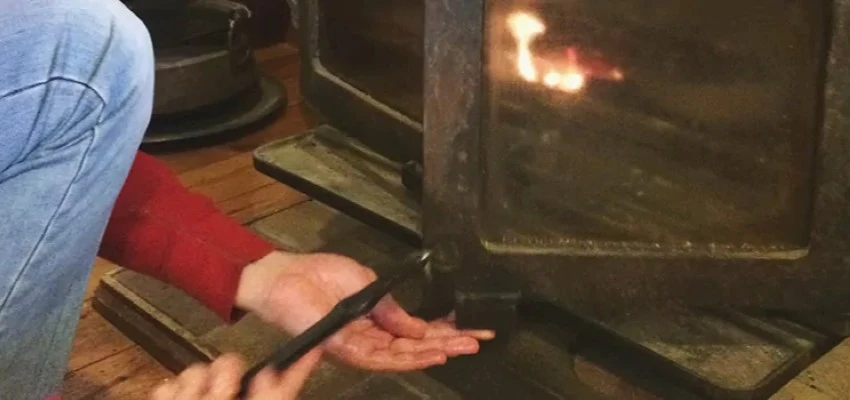
Chimney Sweep Services for fireplaces, stoves, and inserts in Vancouver
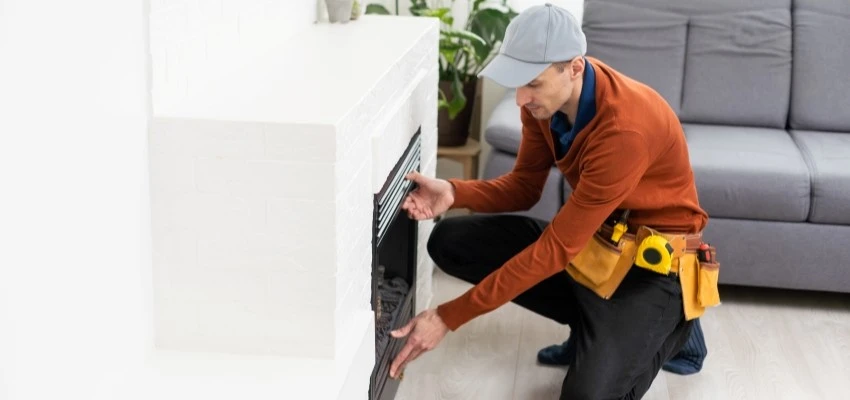
What Fireplace Experts check in your Vancouver chimney
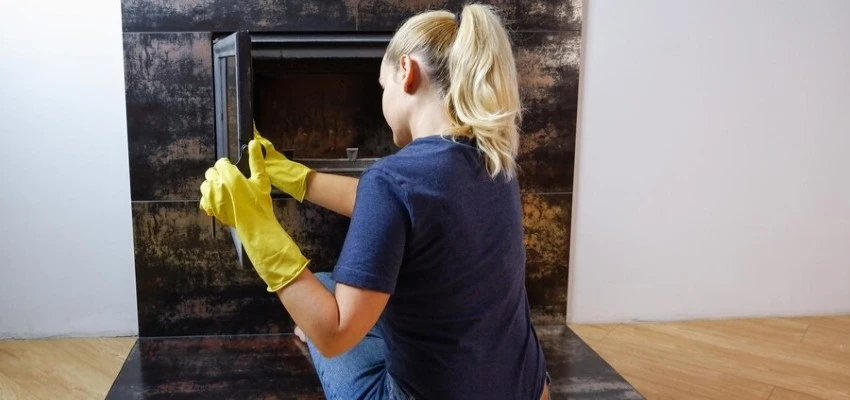
Logs lifted, embers reset: Gas Fireplace Cleaning near Vancouver
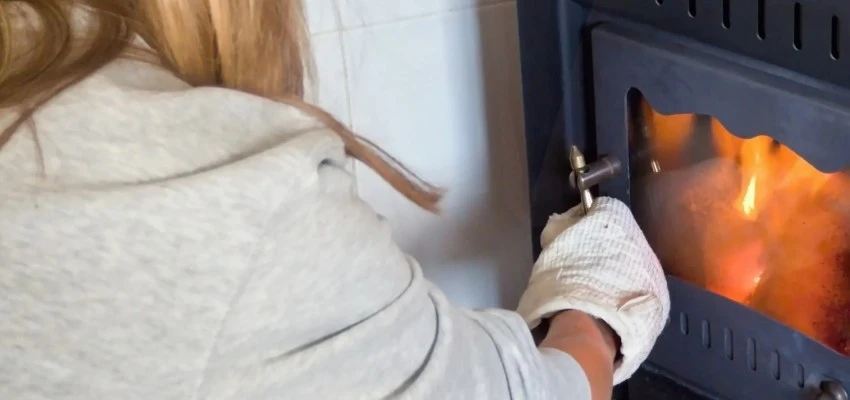
Fewer surprises mid-winter with Gas Fireplace Maintenance in Vancouver