
No pressure and no obligation: send your details and our team will put together an estimate for Dryer Vent Cleaning Vancouver
Our technicians hear the same handful of questions in almost every laundry room they walk into. We collected them on this page, answered in everyday terms, for anyone in Vancouver who has been searching for “dryer vent cleaning” and wants to understand the job before booking it. You will see how dryer vent service is approached, what changes from one house to the next and which small checks take only a few minutes of your time.

Not in the usual sense, because a ventless dryer has no duct to the outdoors. Condenser and heat pump models cool the moist air inside the cabinet, collect the water in a container or send it to a drain and reuse the dried air. They still need care, though: the lint screen after every load, plus a second filter or a condenser unit that has to be rinsed or brushed as the manual describes. If you are reading about “dryer vent cleaning” and are not sure which type you own, look behind the machine. A round outlet with a hose attached means it is vented; no outlet at all means it is not.
Rigid metal is the safer pick, and in the field the duct material also tells us a lot about how a vent has been treated. Rigid aluminum or galvanized pipe with taped joints usually comes out with a light, even film of lint. Accordion foil tells a different story: lint packs into every fold, low spots sag and hold moisture, and the hose is often squashed flat against the wall. For the short link behind the dryer, a semi-rigid metal transition is a reasonable compromise because it bends without collapsing. For the run through walls and ceilings, we prefer solid metal pipe wherever the layout allows it.
Yes, a badly restricted vent raises the chance of a dryer fire, although most clogged vents never reach that point. What concerns us is a combination: lint packed into the duct, a cabinet that feels hot and a dryer that has been cycling on its high-limit switch for months. Crushed foil or plastic connectors behind the machine make things worse because they hold lint right where the air is hottest. When we clear a vent like that, we also check the connector and the outside hood, since an open path from end to end is what keeps temperatures where the manufacturer intended.
A dryer vent that ends on the roof is cleaned the same basic way as a wall vent, but it usually takes more time and needs roof access, so it is a job to leave to a professional. The technician typically cleans from inside first, then goes up to clear the roof cap, which often has a lint-clogged screen or a flap that has stuck. Roof vents tend to clog faster because the air has to push lint upward over a longer run. If your dryer vents through the roof, mention it when you book so the right ladders and rods come along.
Mostly lint, but rarely only lint. A typical haul is gray fluff mixed with pet hair, often packed into felt-like plugs at the elbows. Damp vents give up a sticky paste of fibers and dryer-sheet residue. Other finds include coins, hair ties and small items that slipped past a torn screen, twigs and grass from a nest and the odd insect at the outside hood. The debris tells a story: a heavy, dry layer points to a long gap since the last cleaning, while wet clumps hint at condensation. Ask to see what came out after your “dryer vent cleaning” visit, since it helps set the next date.

A common guideline is to have a dryer vent cleaned about once a year, though some homes need it more often and some can go a little longer. Large households doing laundry every day, homes with pets that shed and vents with long runs or roof exits usually fall on the more frequent side. A short, straight vent in a home with light laundry use may stay clear longer. The simplest rule is to watch drying times: if a normal load starts taking noticeably longer than usual, the vent is probably due, whatever the calendar says.
Yes, someone usually needs to be home for dryer vent cleaning, since most of the work happens indoors at the dryer. An adult who can let the technician in, point out the laundry area and answer a question or two is enough. Plan to be around at the end as well, when the dryer is reconnected and tested and the results are explained. If you cannot be there, ask whether a family member, neighbor or property manager can stand in. For rental homes in Vancouver, landlords often arrange access with tenants ahead of time so nobody is caught off guard.
If we were hiring someone for our own homes, we would listen to how they talk about the vent. A company that knows the work asks about the route, the exit point and the dryer type before quoting. It explains how it will clean, not just that it will. It shows you the lint and the airflow difference afterward and tells you plainly when something needs fixing. Tidy work matters too, because lint gets everywhere if equipment is handled carelessly. Clear communication on the phone is usually a good preview of how the visit itself will go.
A local company is often the practical choice for dryer vent cleaning because it knows the homes in your area. Builders in the same neighborhoods tend to use similar vent routes, so a technician who works nearby has probably seen your layout before. Local service also makes scheduling easier and follow-up simpler if you have a question after the visit. Before booking, confirm that the company actually works in your area rather than passing the job to someone else, and ask for a clear arrival window. A short drive often means more flexibility on appointment times.

The quote form takes a minute or two. Add your address in Vancouver, a line about what you need and how you would like us to reach you. Fill in the form and we will get back to you with a price and the next available times for dryer vent service.
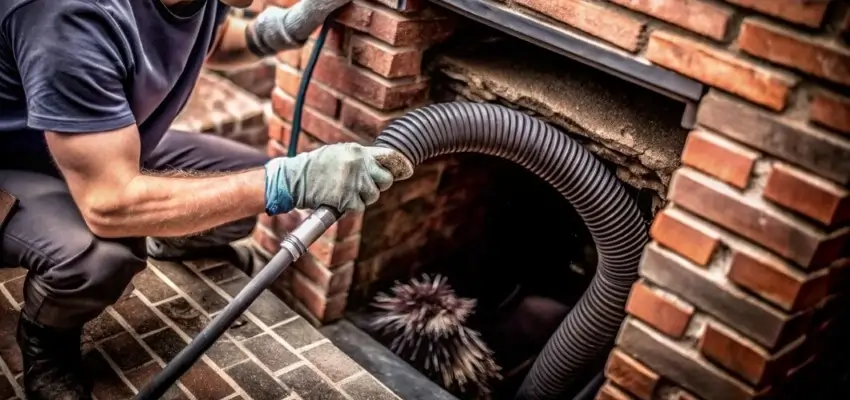
Flue last swept long ago? Chimney Cleaning in Vancouver

Your Vancouver fireplace, swept and checked: Chimney Sweep
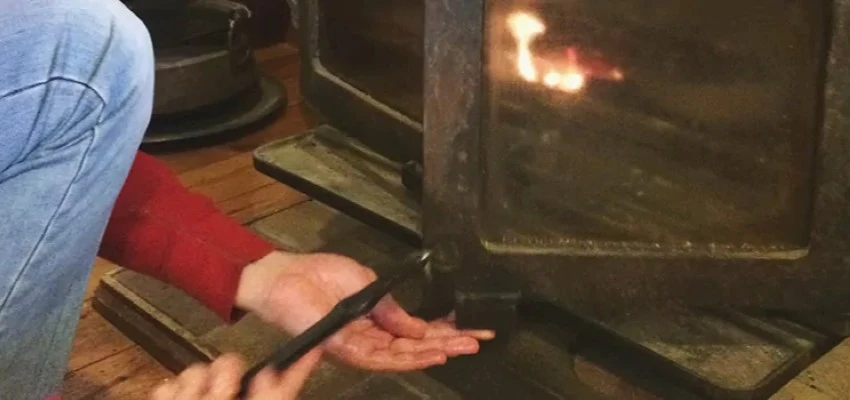
Chimney Sweep Services for fireplaces, stoves, and inserts in Vancouver

What Fireplace Experts check in your Vancouver chimney
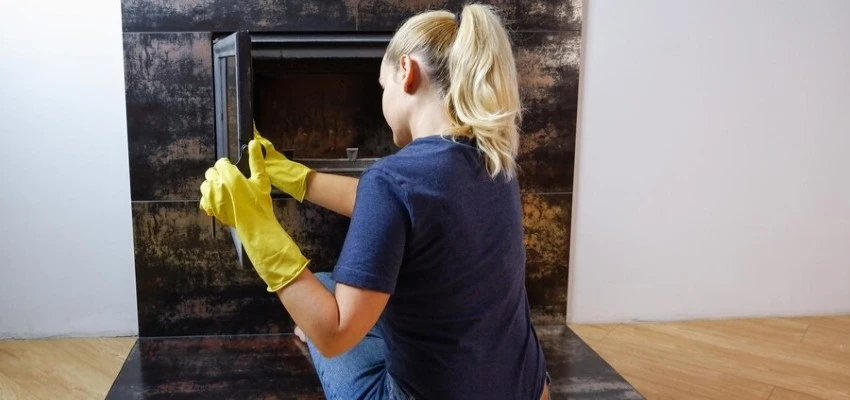
Logs lifted, embers reset: Gas Fireplace Cleaning near Vancouver
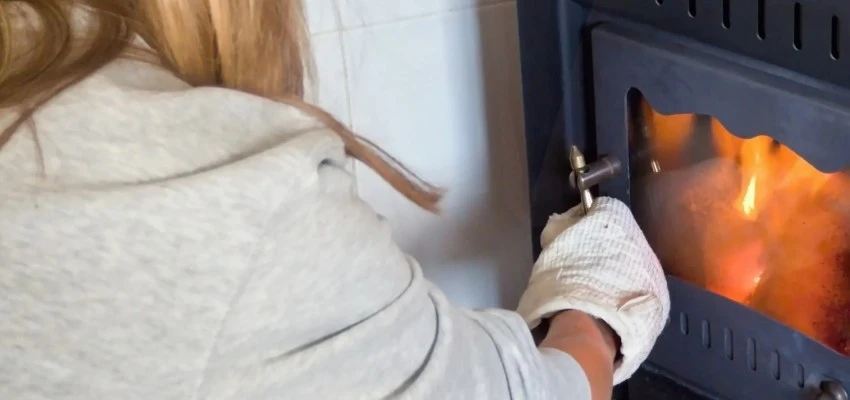
Fewer surprises mid-winter with Gas Fireplace Maintenance in Vancouver

