No pressure and no obligation: send your details and our team will put together an estimate for Chimney Repair Near Me Vancouver
Buying a home, getting ready to sell or simply planning the year’s upkeep can all bring the chimney into focus. An inspection report might mention it, or a neighbor might point out something odd on the roof. People in Vancouver who search for “chimney repair near me” at moments like these want straight facts, and that is what this page offers: a calm, practical look at chimney repair, what it involves and how to plan for it sensibly.
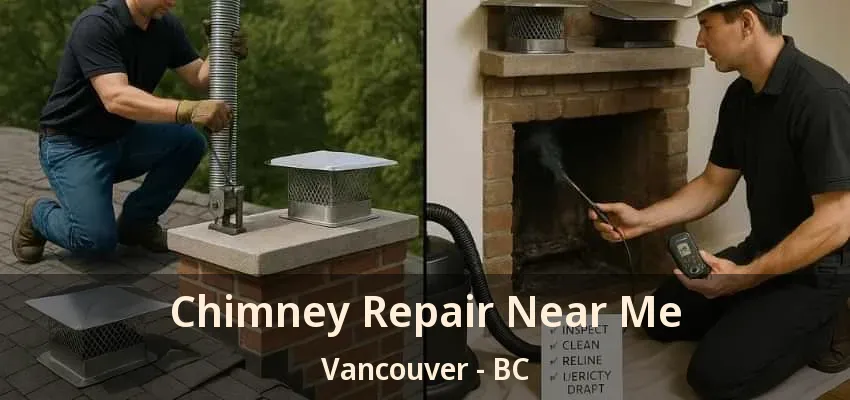
A chimney’s parts fall into three groups: the weatherproofing outside, the flue liner inside and the working parts at the bottom. Weatherproofing means the cap, the crown, the flashing and the face of the bricks and mortar. The liner is the channel that handles heat and corrosive exhaust. Down at hearth level are the pieces people actually touch, such as the damper handle, the firebox walls and the ash dump door. On a prefab system, a framed chase and its sheet metal top replace the brick. When we diagnose a problem, we trace it to one of these groups first, because that decides what the fix looks like.
Preparing for chimney repair mostly means clearing access inside and out. Stop using the fireplace or stove at least a day before so the firebox and flue are cool, and move decorations, screens, tools and furniture away from the hearth. Outside, move vehicles, patio furniture, planters and grills away from the side of the house where ladders will go, and unlock any gates. Let the company know about pets, an alarm system or anything fragile near the chimney. If the job involves the attic or basement, such as tracing a leak or emptying an ash pit, clear a path there too.
The first visit is usually an inspection and estimate. The technician asks what you have noticed, looks at the fireplace and any stains inside, then checks the chimney from the roof or a ladder, often taking photos. If the problem is small, such as a loose cap, it may be fixed on the spot with your approval. Larger work is quoted in writing, with the materials, timing and any weather constraints explained. Expect the visit to take under an hour for a typical home, longer if the attic or a camera inspection of the flue is involved. Have your questions about chimney repair timing ready.
Mention what the chimney is made of, what it serves and what you have noticed, because a few details on the phone save a lot of time on the roof. We ask which appliances use the flue, how many stories the house has and how steep the roof is. We ask what you have seen: a stain, debris in the firebox, a stuck handle, a rattling cap, smoke in the room. We ask when it started and whether a roofer or another contractor worked nearby recently. Two quick phone snapshots, one of the chimney top from the yard and one of the problem area inside, often tell us which parts and ladders to bring on the first trip.
Mostly no: the useful homeowner jobs happen on the ground, not on the roof. Spotting problems early is genuinely valuable, whether that means snapping photos of the chimney top after storms, shining a flashlight at the damper or keeping an eye on the ceiling near the fireplace. Where DIY goes wrong is up top. We regularly undo store-bought sealants smeared over cracks, caps held on with a single screw and mortar patches that trap water. Liner work, flue repairs and gas appliance venting have safety consequences inside the home, so those belong with trained technicians from start to finish.
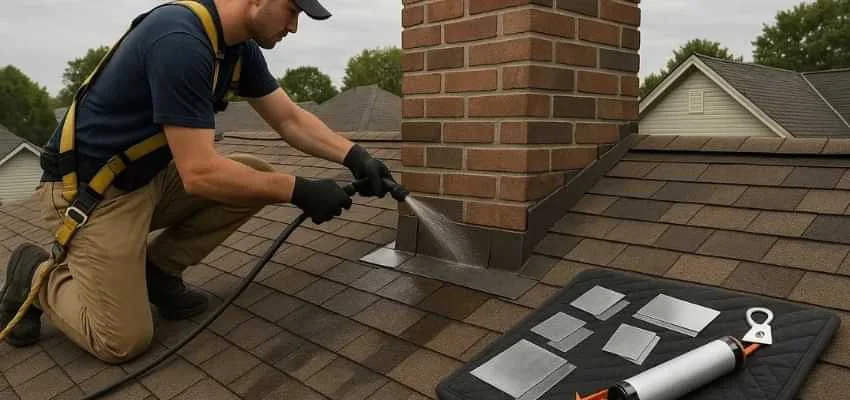
Yes, and that is a common reason people call. Home inspectors often note a chimney concern, such as cracked mortar, missing flashing or no cap, and recommend a closer look by a chimney professional. A local company can inspect the specific items, explain which ones matter and provide a written quote that buyers and sellers can use in negotiations. Timelines during a sale are tight, so mention any deadlines when booking. If you searched for “chimney repair near me” with an inspection report in hand, send a copy ahead of the visit so the technician can focus on those notes.
The questions that matter most are about cause, scope and surprises, and any capable chimney company can answer them in plain words. Cause: why is this happening, and how do you know? Scope: which parts are included, which materials, and is the chimney top part of the job? Surprises: what happens if rotten framing or a cracked flue tile turns up halfway through? It is also fair to ask who will be on your roof, how long new mortar needs before a fire and how the site will be left. We welcome these questions, because they lead to fewer misunderstandings later.
Choose a chimney repair company that inspects before it quotes, explains the cause of the problem and shows you evidence such as photos. A good company will tell you what it plans to fix, what materials it will use and what the work will not cover. Ask whether its own crew does the work, how it protects your home and roof and how it handles hidden damage found mid-job. Read recent reviews for comments about communication and clean-up. Be cautious about anyone who wants a large rebuild without showing why, or who only offers to coat everything with sealant.
Comparing chimney repair quotes is easiest when each one describes the same work. Check that every quote names the parts being repaired, the materials, how far the work extends, for example the whole chimney or just the top courses, and whether clean-up, disposal and any permits are included. Look at how each company would handle extra damage found during the job. A much lower quote often covers less: a sealant coating instead of a new crown, or patching a few joints instead of repointing the weathered side. A fair quote is specific, in writing and explained without pressure.
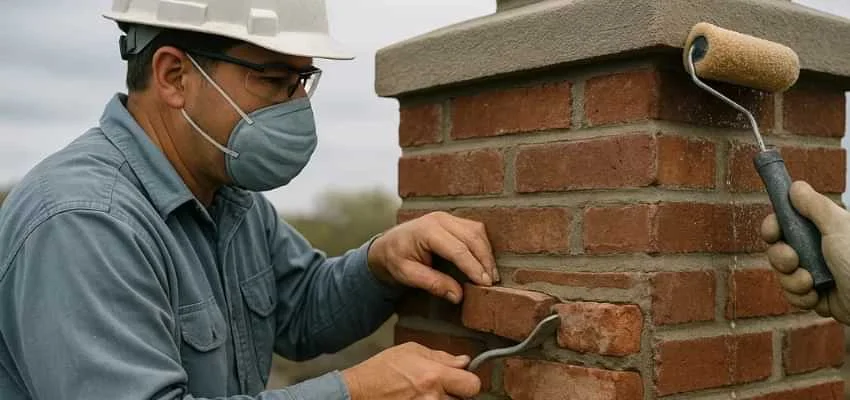
Renovations, inspections and sales are all good reasons to check the parts of a home that are usually out of sight. We can fit the visit around your contractors or your listing date. Request a quote for chimney repair and mention your timeline.
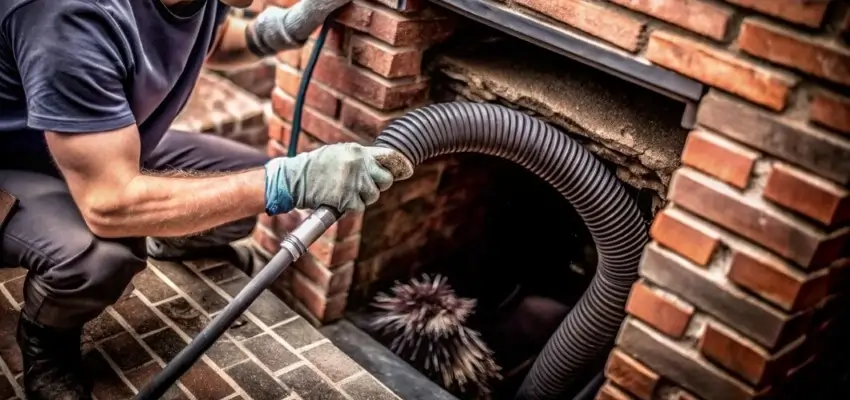
Flue last swept long ago? Chimney Cleaning in Vancouver
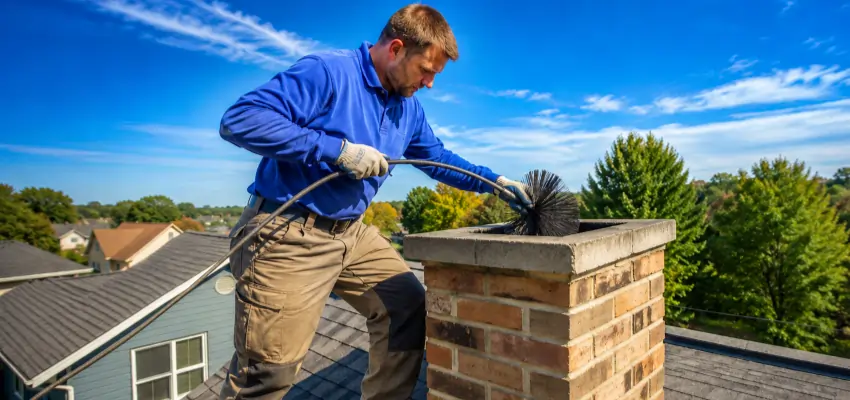
Your Vancouver fireplace, swept and checked: Chimney Sweep
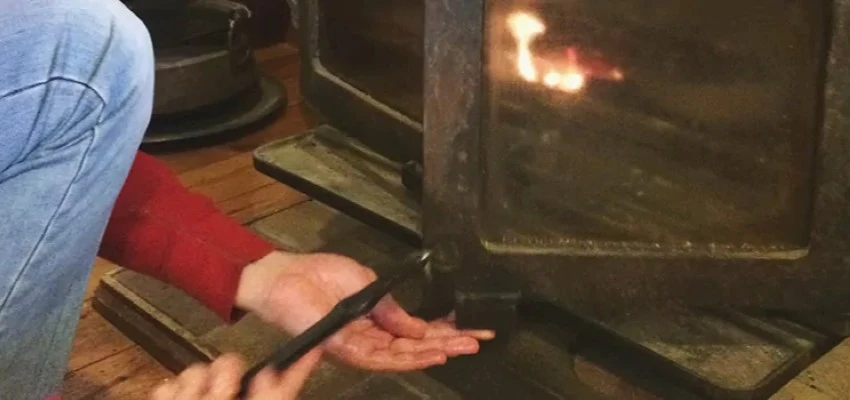
Chimney Sweep Services for fireplaces, stoves, and inserts in Vancouver
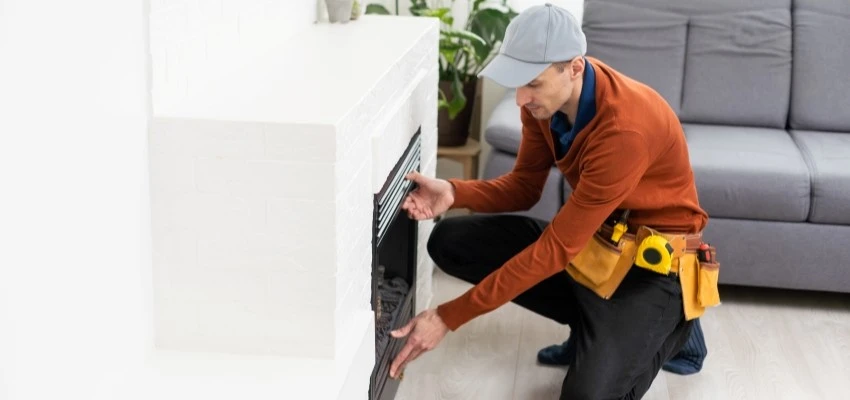
What Fireplace Experts check in your Vancouver chimney
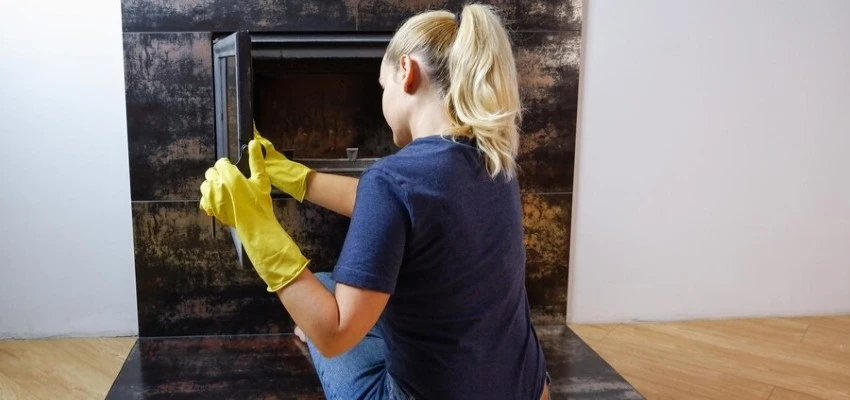
Logs lifted, embers reset: Gas Fireplace Cleaning near Vancouver
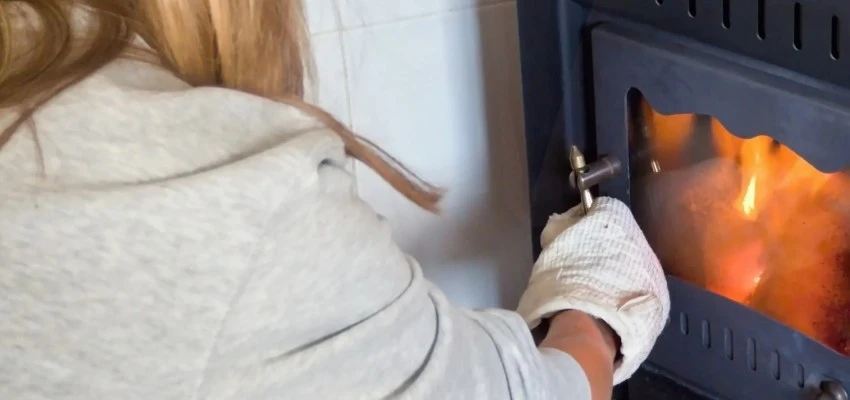
Fewer surprises mid-winter with Gas Fireplace Maintenance in Vancouver