
No pressure and no obligation: send your details and our team will put together an estimate for Chimney Remodel Vancouver
Houses change over time. Fireplaces get converted, rooms are added, roofs are replaced and old chimneys are left doing jobs they were never designed for. When that happens, a search for “chimney remodel” is a natural next step. Here you will find practical answers about chimney renovation for homes in Vancouver, written to help you weigh your options calmly before you commit to anything or anyone climbs a ladder.

Work that affects the inside of a chimney, such as flues, liners, dampers or appliance venting, belongs with a chimney specialist, while a roofer is the right call for the shingles around it. Chimney technicians understand draft, heat and the clearances that keep nearby wood safe, and they have the tools to inspect a flue with a camera. Many jobs sit on the border, like flashing or the part of the chimney above the roofline, and either trade may handle them. When in doubt, ask how the company would check the flue and the chimney top, not only the outside.
Yes. A chimney that no longer serves any appliance can be taken down below the roofline, with the roof patched over, or capped at the top so rain and animals stay out while the structure remains. Full removal through the house is a bigger job because it affects floors, walls and sometimes structural support, so it needs careful planning. Partial removal is common when the top section is damaged. If you keep the chimney, a vented cover helps limit moisture buildup inside. Anyone considering a “chimney remodel” project like this should confirm that nothing, including a furnace or water heater, still uses that flue.
An inspection should come first because it shows whether the planned work is the right work. A technician looks at the chimney from top to bottom, often with a camera inside the flue, and checks for hidden cracks, blockages, water damage and any mismatch between the flue and the appliance. Sometimes the inspection confirms the plan; sometimes it reveals that a leak comes from somewhere else or that a liner needs attention before anything cosmetic is done. Ask for photos or video and a short written summary so you can compare options with confidence.
Our days follow a pattern: walk-through, setup, work, check, clean-up. The walk-through is a quick conversation to confirm what we are doing and flag anything new. Setup means floor protection, ladder placement and any roof anchors. The work itself varies with the job, from fitting a pot to lowering a liner or applying a repellent. The check is where we test what we built, whether by running a smoke test, watching water bead or confirming a part is secure. Clean-up leaves the hearth and yard the way we found them, and then we show you photos from the roof.
Our estimates come down to labor, access and parts, with an allowance for what the chimney might be hiding. Labor depends on how many steps the job has and whether curing time stretches it over several days. Access depends on the roof and the yard: steep slopes, tall stacks and tight spaces add setup. Parts range from a repellent or a clay pot to a full liner or a factory-built system that has to match the fireplace. We would rather explain all of that before the job than surprise you halfway through, so we price each part separately.

Timing the two together usually saves money and gives a cleaner result. When the roof is being replaced, the area around the chimney is already open, so flashing, crickets and any change in chimney height can be handled before new shingles go on. Siding or stucco work around a chase is easier to match when both happen at once. The key is agreeing on who does what and in which order, so the chimney work is finished before roofing or siding seals it in. Share both schedules with each contractor when you plan chimney renovation.
Tell the company what the chimney is made of, what it serves and what you want done or have noticed. Mention the type of fireplace or appliance, how many stories the house has, how steep the roof is and whether the chimney is brick, stone or a framed chase. Share any history: past repairs, a chimney fire, recent roof work or a new appliance. A few photos of the chimney from the yard and of the fireplace help a lot. These details let the company bring the right parts and give you a realistic estimate.
Mostly no, and the reason is risk rather than complexity. Roof work at height, heavy pots, flue liners and anything involving venting or gas can hurt people or the house if done wrong. What we encourage is observation: photos of the chimney top after storms, a note of when the fireplace started smoking, a look at the firebox for fallen debris. Those notes make our visits faster and more accurate. Store-bought sealers are a common DIY mistake, since the wrong product can trap moisture and damage brick. Leave products and climbing to us, and keep your carbon monoxide alarms tested.
We would hire the company that asks the most useful questions. A contractor who knows chimneys wants to know the material, the height, the appliances and the history before naming a figure. On site, it should go up, look inside the flue and come back with photos. It should tell you what it will not do as clearly as what it will. Ask how it handles surprises mid-job and who will be on the roof. Companies that work in your area every week can also tell you what tends to fail on homes like yours, which is useful insight in itself.

Simple routines at home go a long way, and a periodic visit catches what you cannot see. Together they keep your chimney in steady shape year after year. Call (778) 901-9988 to plan the next check with Chimney Sweep Vancouver.
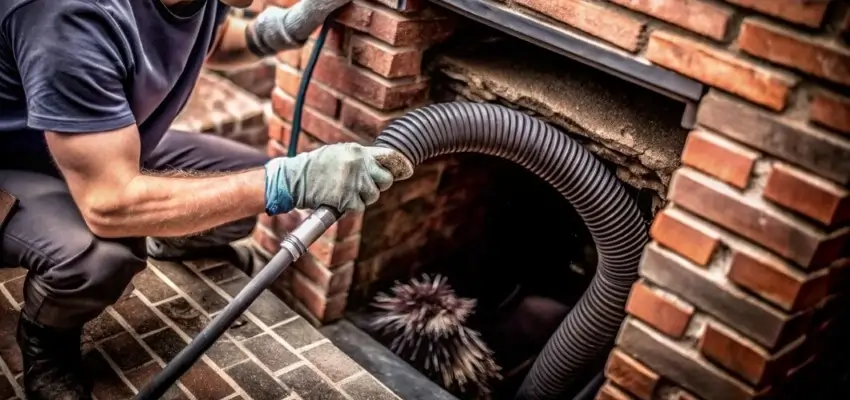
Flue last swept long ago? Chimney Cleaning in Vancouver
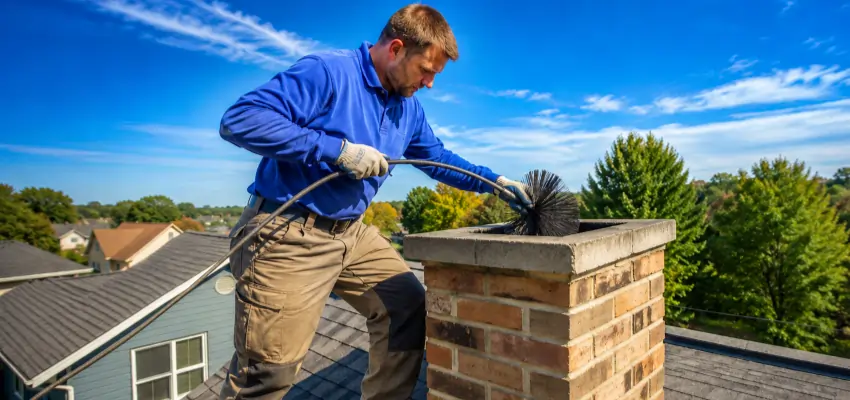
Your Vancouver fireplace, swept and checked: Chimney Sweep
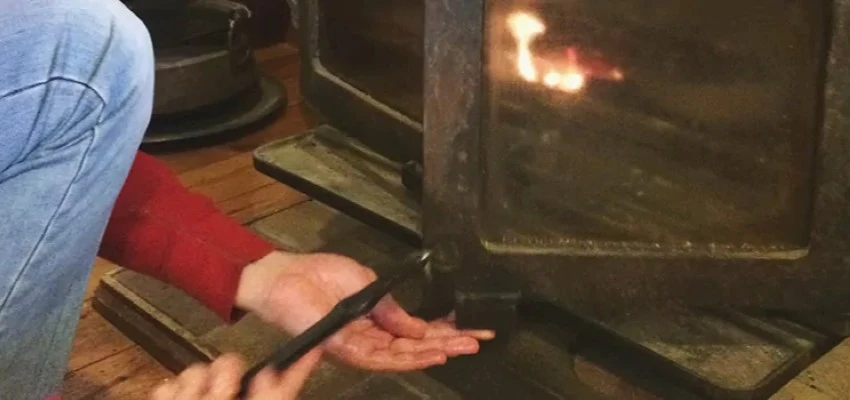
Chimney Sweep Services for fireplaces, stoves, and inserts in Vancouver
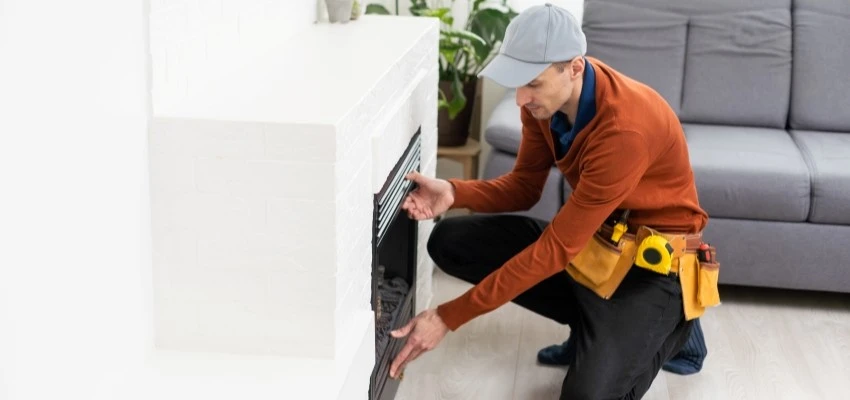
What Fireplace Experts check in your Vancouver chimney
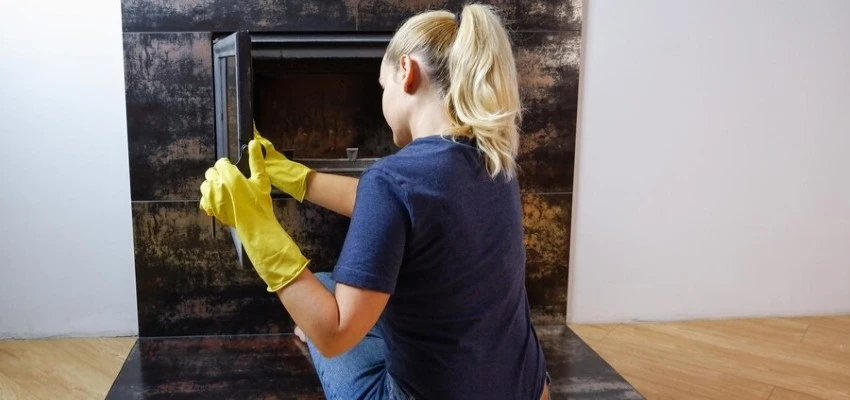
Logs lifted, embers reset: Gas Fireplace Cleaning near Vancouver
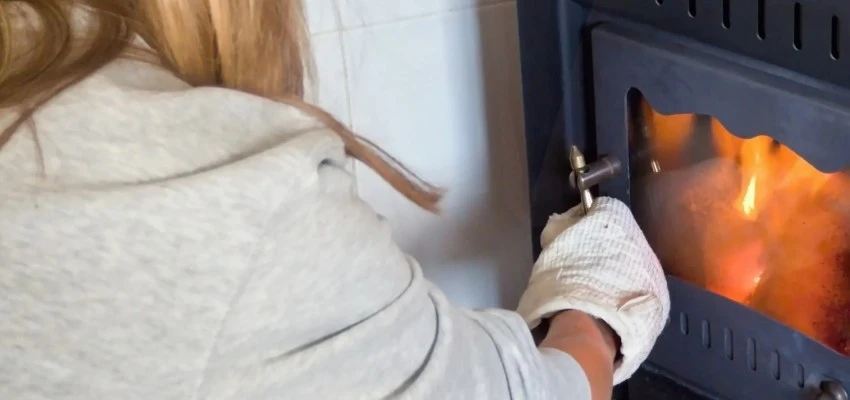
Fewer surprises mid-winter with Gas Fireplace Maintenance in Vancouver

