
No pressure and no obligation: send your details and our team will put together an estimate for Chimney Crown Services Vancouver
A chimney stands out in the open all year, taking rain, wind, sun and, in many places, hard freezes with no shelter at all. Sooner or later something on it needs attention, whether that is a loose cap, a tired mortar joint or a part inside the flue. If you searched for “chimney crown services”, this page gathers the questions homeowners in Vancouver ask most often about chimney crown repair, answered plainly so you can judge what your own chimney needs and what can wait.

A sound crown is a solid slab of concrete or a purpose-made crown mix, not a thin layer of brick mortar, and it slopes away from the flue so water runs off quickly. Its edges extend slightly beyond the brick on every side, with a drip groove underneath so water falls clear instead of running down the face of the chimney. Around the flue tile there is usually a small gap filled with flexible sealant. The surface should be free of cracks and crumbling spots. If you are comparing options for “chimney crown services”, ask whether a new crown will be built with an overhang and a drip edge.
A masonry chimney has more parts than most people realize, and each one can need repair on its own. From the top down, you will usually find:
Inside the house sit the damper, the smoke chamber, the firebox and sometimes an ash dump. Factory-built chimneys swap the brick for a metal flue inside a framed chase with a metal cover on top.
The crown protects the brick and the cap protects the flue, which is the simplest way to keep them straight. On the roof, the crown is the sloped top surface of the masonry, ideally with an overhang so water drips clear of the chimney walls. The cap is a metal hood with mesh sides, clamped or fastened over the opening. We check them separately, since one can fail while the other looks fine: we often find a shiny new cap sitting on a crown full of cracks. Both deserve attention, and fixing one never covers a problem with the other.
Stains, debris and stiff moving parts inside the house are usually the first signs, long before anything looks wrong from the yard. A water mark on the ceiling beside the chimney, a musty smell when it rains, flakes of tile or mortar in the firebox and a damper that has gone stiff all point to something above. Outside, white chalky deposits on brick tell us water is moving through the masonry, and dark streaks below the cap or chase cover suggest rust. Smoke that hangs at the fireplace opening points to a draft problem. We trace each clue back to its source before suggesting any repair.
A chimney repair visit normally starts with an inspection to confirm the problem and check for anything related. The technician protects the area around the fireplace and, for exterior work, sets up ladders or roof anchors. Then the damaged part is removed or prepared, whether that means grinding out mortar, cutting away old sealant, unbolting a cap or opening a damper assembly. New materials go in, and the work is checked for fit and weathertightness. At the end you should see the finished work or photos of it and hear about anything else that turned up along the way.

Anything from a morning to several days, depending on the part, the access and the material. A damper repair or cap swap rarely keeps us past lunch. Flashing and chase covers depend on the roof, so a steep pitch or fragile shingles add hours. Masonry is the slow one, not because the work itself drags but because mortar and crown concrete need dry, mild weather and time to firm up between steps. A full rebuild above the roofline can stretch over several visits. When we quote, we give you a working estimate and tell you plainly what could push it longer, such as hidden damage.
Mention what the chimney is made of, what it serves and what you have noticed, because a few details on the phone save a lot of time on the roof. We ask which appliances use the flue, how many stories the house has and how steep the roof is. We ask what you have seen: a stain, debris in the firebox, a stuck handle, a rattling cap, smoke in the room. We ask when it started and whether a roofer or another contractor worked nearby recently. Two quick phone snapshots, one of the chimney top from the yard and one of the problem area inside, often tell us which parts and ladders to bring on the first trip.
Many companies apply a flexible crown coating after repairs, and it is often a good idea. The coating bridges very small cracks as the crown expands and contracts with temperature changes, and it slows water absorption into the concrete. New crowns may need to cure before a coating goes on, so follow the timing your contractor gives. Coatings wear over time, so a quick check during the yearly inspection tells you when a fresh layer is due. Sealing does not fix a crown that is badly shaped or broken, which is why good chimney crown repair starts with the slab itself.
A few direct questions reveal a lot about a chimney repair contractor:
Clear, specific answers are a good sign. If the replies stay vague or the price changes without explanation, it is reasonable to get another opinion before agreeing to the work.

If you already know the work needs doing, booking early gives you more choice of dates and less to think about later. Tell us roughly when you would like the visit in Vancouver and we will hold a time for you. Reserve your visit.
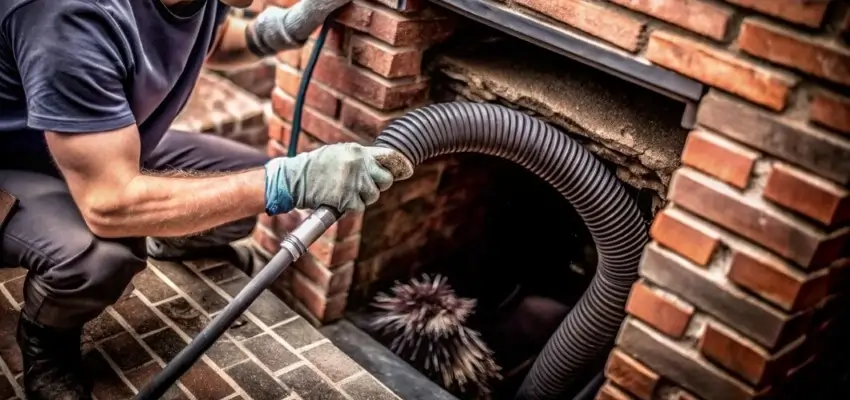
Flue last swept long ago? Chimney Cleaning in Vancouver
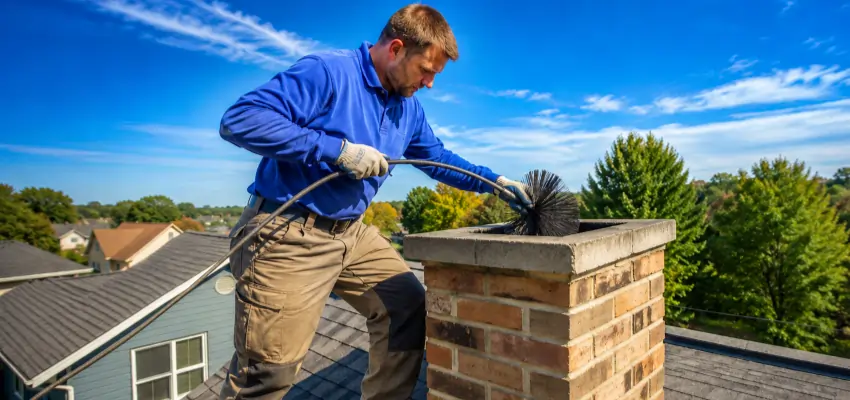
Your Vancouver fireplace, swept and checked: Chimney Sweep
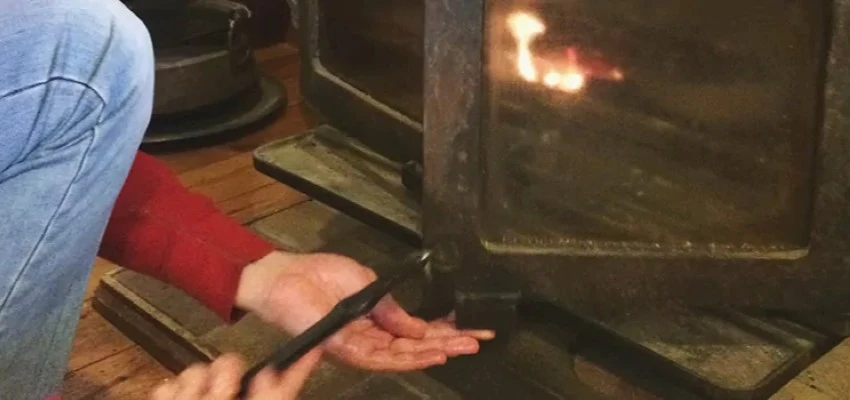
Chimney Sweep Services for fireplaces, stoves, and inserts in Vancouver
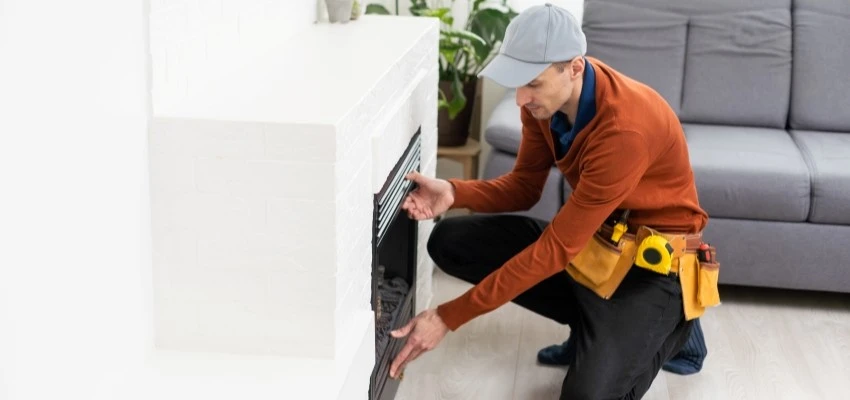
What Fireplace Experts check in your Vancouver chimney
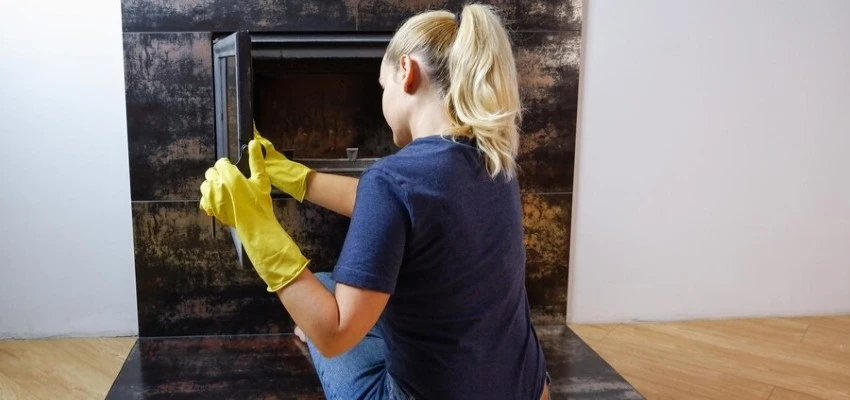
Logs lifted, embers reset: Gas Fireplace Cleaning near Vancouver
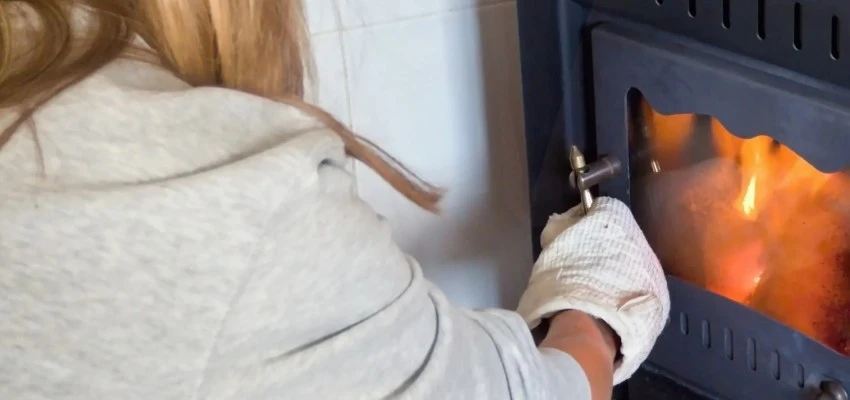
Fewer surprises mid-winter with Gas Fireplace Maintenance in Vancouver

