No pressure and no obligation: send your details and our team will put together an estimate for Chimney Animal Removal Vancouver
Chimney work is one of those services where it pays to understand the basics before anyone quotes you a price. A little background makes every conversation with a technician easier and every recommendation easier to weigh. This page offers that background for readers in Vancouver who searched for “chimney animal removal”, with plain explanations of chimney wildlife removal and the reasoning behind the advice you are likely to hear.
Creosote is condensed wood smoke, and its flammability is the main reason chimney sweeping exists. Smoke carries unburned particles and vapor, and when it meets a cooler surface those compounds stick. We find the heaviest deposits where gases slow down or lose heat quickly: the smoke chamber just above the damper, the bends in a stovepipe and the upper section of chimneys built on an exterior wall. That residue is fuel sitting inside a passage built to carry fire, so a spark or an overloaded firebox can ignite it. That is why we gauge its thickness on every visit and explain what it means for you.
An unswept flue slowly narrows and fills with fuel for a chimney fire, and stopping that is the short version of why we sweep. On the job, the deposits we pull out range from light, dusty soot to crusty flakes and shiny, hardened tar. Each layer makes the next one easier to form, because a rough, narrowed flue cools smoke faster. A neglected chimney also hides its own damage, since nobody can see a cracked tile or a gap in the mortar through a thick coat of buildup. Clearing it is what lets us tell an owner in Vancouver whether the fireplace or stove is ready to use.
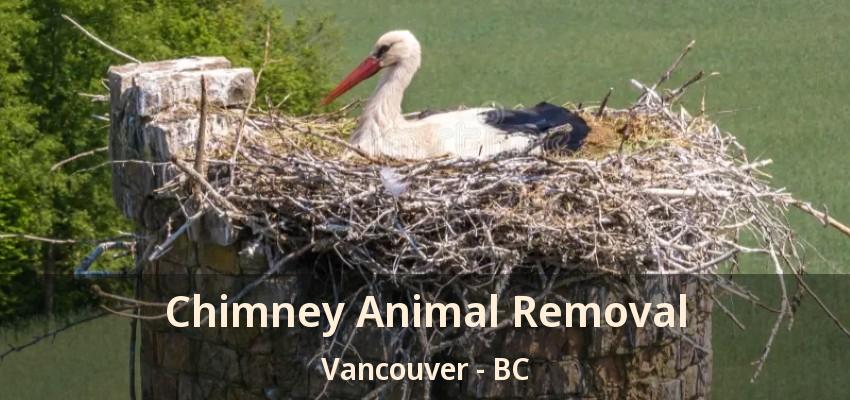
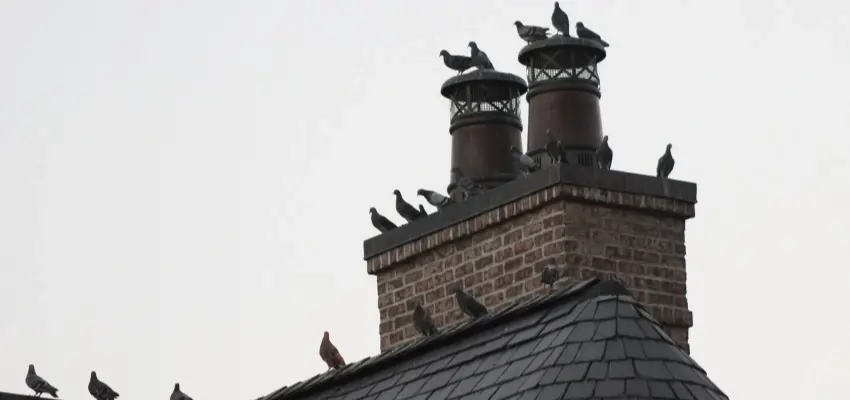
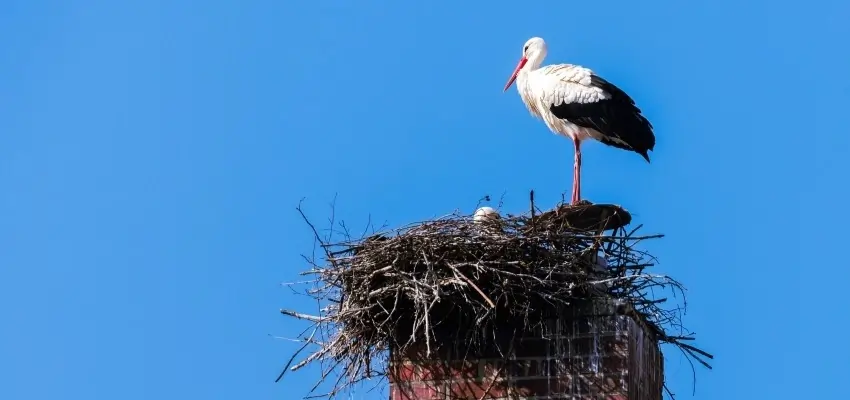
An animal in the chimney can cause both physical damage and real safety hazards, even if it seems harmless at first. Nests and debris can block the flue, so smoke and carbon monoxide from a fireplace or a connected furnace back up into the house. Dry nesting material is also flammable. Raccoons can tear loose caps, damper plates and the mesh that keeps others out, while droppings and trapped animals leave stains and strong odors in masonry. An animal that gets past the damper can end up loose indoors. Take any sign of wildlife as a reason to stop using the fireplace and have the chimney checked.
Smoke spills in when the draft is weaker than the push of the fire, and we usually trace it to one of a few causes. In tight, well-sealed houses, exhaust fans and dryers create enough suction that the chimney becomes an air intake instead of an exhaust. Short chimneys, nearby trees or a taller roofline beside the stack can disturb the airflow at the top. Inside the flue, heavy creosote, a nest or fallen debris narrows the path. Sometimes the fireplace opening is simply too large for the flue. Finding which one applies takes a look from both ends, and the fix ranges from a habit change to a repair.
Sound is usually the first clue, and the kind of sound tells us a lot before we even climb the roof. A high chirping that grows louder over a few weeks often points to a brood of young birds. Heavier thumps and chattering at night suggest a raccoon, often a mother using the smoke shelf as a den. Frantic scratching that never seems to move upward usually means a squirrel has fallen in and cannot climb the slick liner. On site we also look for droppings and nesting material at the damper, and for fur, claw marks or bent mesh around the cap.
The cost of getting an animal out of a chimney depends mostly on what the animal is, how many visits it takes and what has to be repaired or added afterward. A single trapped bird or squirrel can often be handled in one trip, while a raccoon family or nesting birds may need a one-way door, return visits or a wait before the nest can come out. Clearing a large nest, sweeping the flue and deodorizing add time. A new cap or damper repair is usually priced separately. Ask for a written quote that separates removal, cleanup and parts so you can see where the cost comes from.
Keep everything closed and quiet until help arrives; that is the advice we give on nearly every call like this. A shut damper keeps the animal on the chimney side, where it is safer for everyone. Many trapped animals settle once the house is calm, which makes removal easier. We ask owners not to try smoke, noise devices or poles, because a panicked animal can injure itself or end up behind a wall. The more you can tell us about the sounds, the time of day and whether they move up or down, the clearer our plan will be before we set up the ladder.
Spring is nesting season, so many animals start looking for safe, sheltered spots just as fireplaces go quiet. Raccoon mothers search for dens before giving birth, birds return and begin building, and squirrels raise their first litters. An uncapped chimney that has sat unused for a few weeks looks ideal to all of them. That timing makes late winter a smart moment to check that your cap is intact and fastened. If you already hear activity, booking chimney wildlife removal early in the season gives you more options than holding off until the young are larger and louder.
For most chimney animal problems, a chimney company is a sensible first call, because the work involves the flue, damper and cap as much as the animal. Many chimney technicians handle trapped birds and squirrels and clear nests themselves, and they can fit a proper cap afterward. Some situations, such as a raccoon family or bats, may be passed to a wildlife specialist or handled together with one. Ask during your “chimney animal removal” inquiry who will do which part, how the animal will be handled and whether the chimney will be swept and capped before the job is closed.
Sometimes the right call is a small fix, sometimes a bigger job and sometimes nothing at all. We tell you which one applies to your chimney and why. Ask Chimney Sweep Vancouver for advice and decide in your own time.
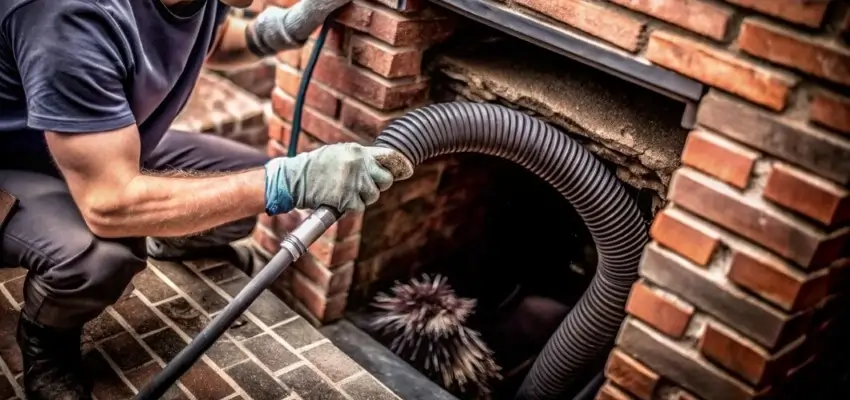
Flue last swept long ago? Chimney Cleaning in Vancouver
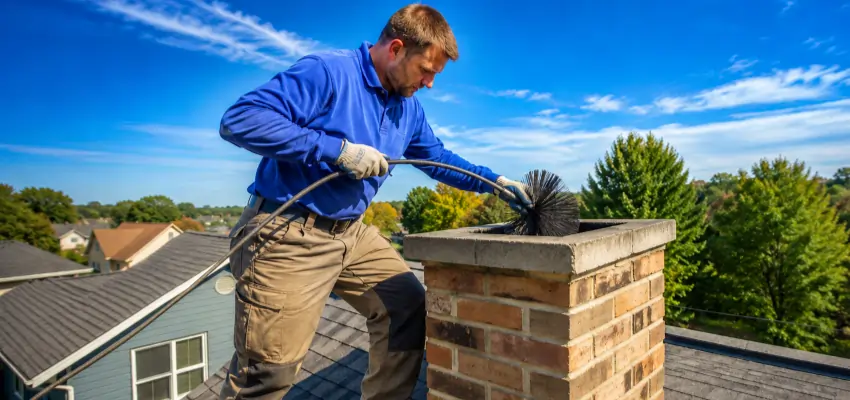
Your Vancouver fireplace, swept and checked: Chimney Sweep
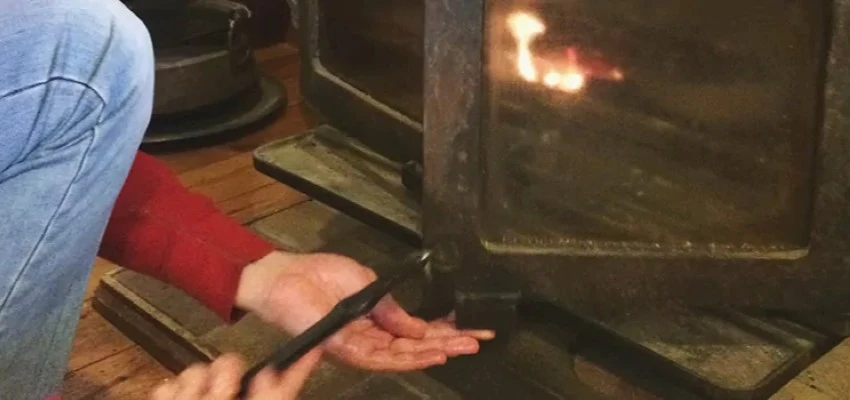
Chimney Sweep Services for fireplaces, stoves, and inserts in Vancouver
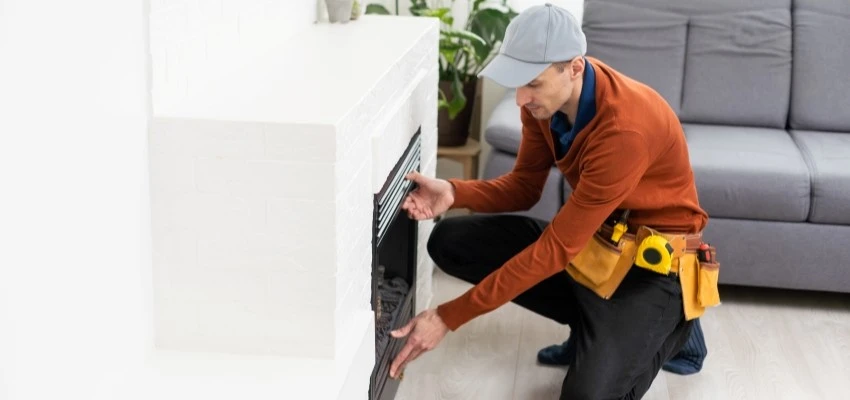
What Fireplace Experts check in your Vancouver chimney
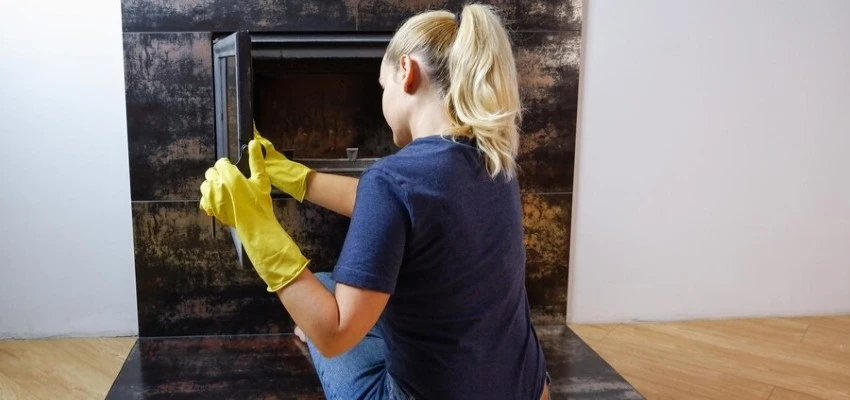
Logs lifted, embers reset: Gas Fireplace Cleaning near Vancouver
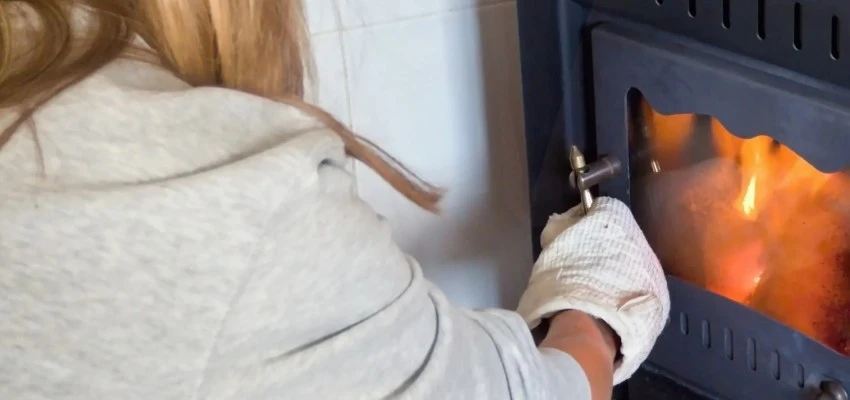
Fewer surprises mid-winter with Gas Fireplace Maintenance in Vancouver